
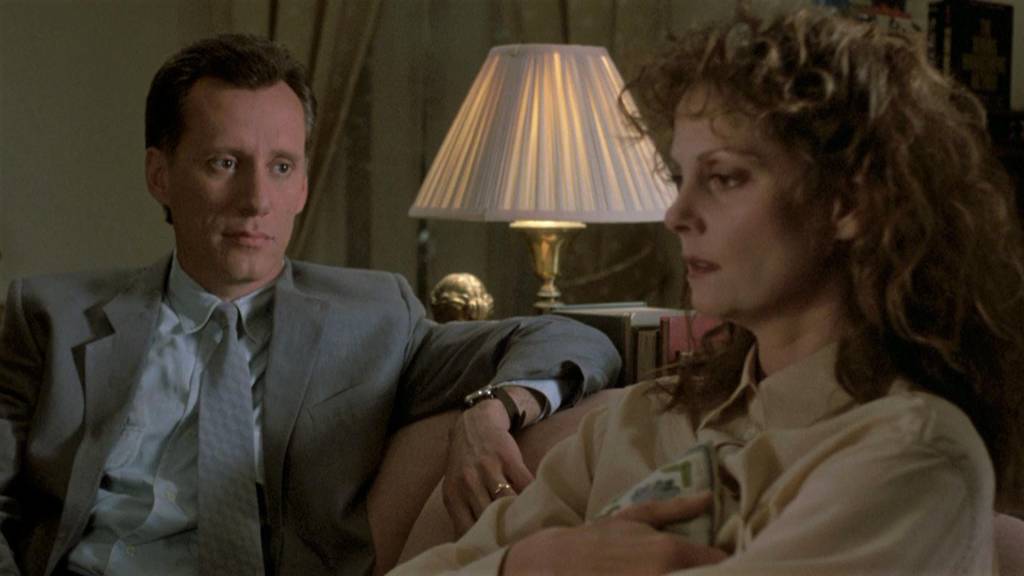

Synopsis- Detective Lloyd Hopkins, a hard-nosed Los Angeles cop, investigates a brutal murder that leads him into the dark underbelly of the city, uncovering a web of corruption, misogyny, and an elusive serial killer.
Director- James B. Harris
Cast- James Woods, Lesley Ann Warren, Charles Durning, Charles Haid, Raymond J. Barry
Released- 1988
James B. Harris’s Cop attempts to blend gritty police procedural with psychological intensity, but while it succeeds in atmosphere and performance, it struggles to find a cohesive identity. Adapted from James Ellroy’s novel Blood on the Moon, the film captures the author’s signature bleakness, yet its execution lacks the precision and depth that made Ellroy’s work so compelling.

James Woods delivers a typically intense performance as Detective Lloyd Hopkins, a relentless, morally ambiguous cop whose obsession with justice borders on self-destruction. Woods thrives in roles that demand a simmering rage beneath the surface, and here he fully embodies the archetype of the rogue detective, unwilling to play by the rules. However, while his performance is commanding, Hopkins as a character lacks the complexity needed to make him more than a typical antihero. His unrelenting aggression and questionable methods make him difficult to sympathise with, even in moments where the script tries to humanise him.
The film’s narrative begins with promise—Hopkins investigates the brutal murder of a woman, leading him into a tangled web of unsolved crimes and institutional cover-ups. His search brings him to Kathleen McCarthy (Lesley Ann Warren), a poet and feminist bookstore owner whose involvement in the case adds a moral counterpoint to Hopkins’ methods. Warren gives a strong performance, bringing much-needed nuance to the film, though her character is never fully developed beyond her opposition to Hopkins’ worldview.
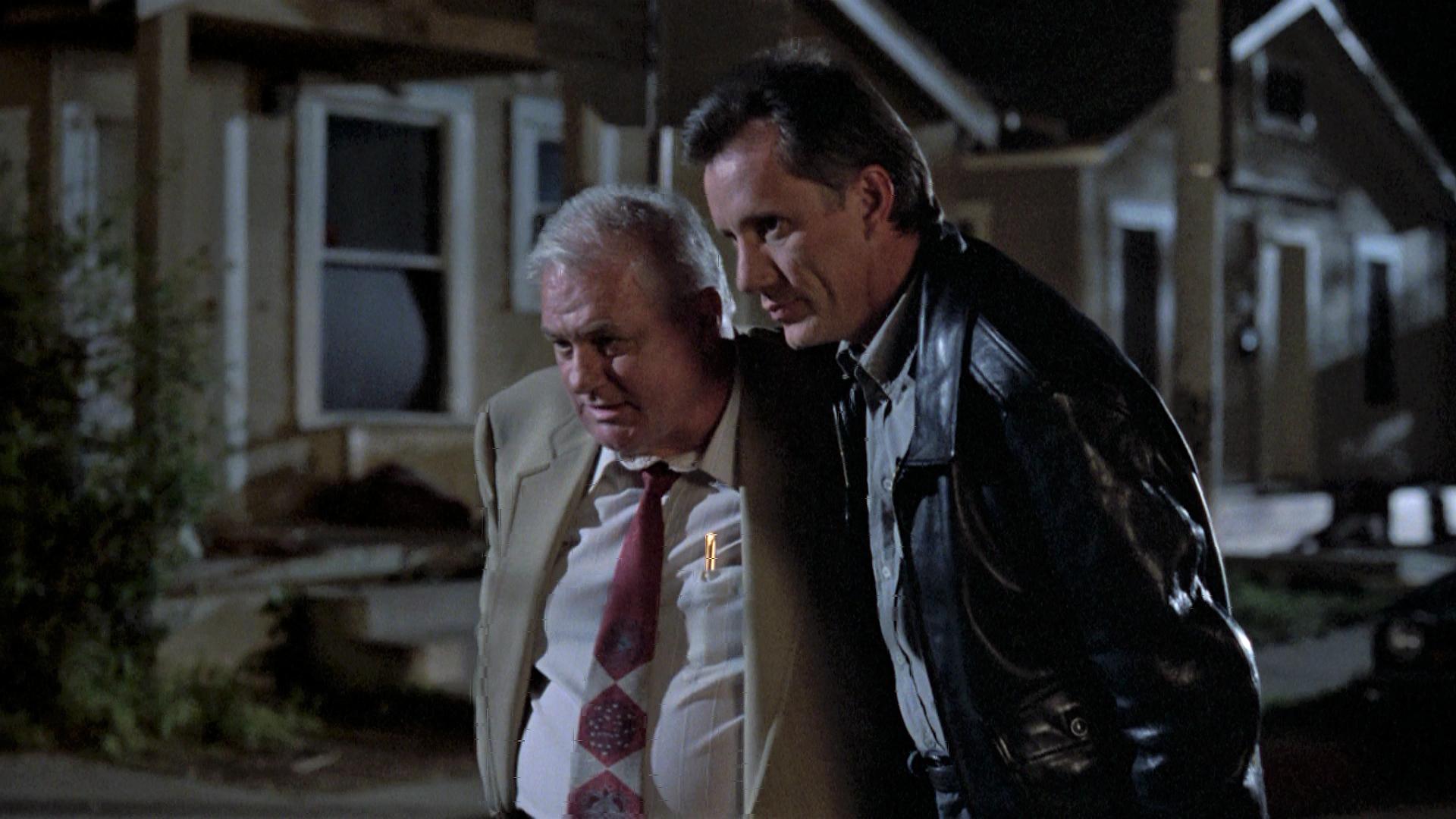
Harris’s direction leans into the noir elements of the story, using shadowy lighting and a moody, understated score to create a tense atmosphere. The film excels in its depiction of a seedy, morally compromised Los Angeles, a city teetering on the edge of chaos. However, where Cop falters is in its pacing and tonal inconsistency. At times, the film feels like a standard police thriller, while in other moments, it strives for a deeper, more psychological approach. The result is an uneven experience that never fully commits to either path.
Additionally, the film’s final act, while bold, feels abrupt and unsatisfying. The climax delivers a confrontation that is meant to be shocking, but instead comes across as rushed and lacking in payoff. Instead of building toward a revelatory conclusion, Cop seems to run out of steam, leaving its audience more bewildered than gripped.

Ultimately, Cop is a film carried by James Woods’ raw intensity and a few strong moments of tension, but it lacks the narrative finesse to stand out among its neo-noir peers. Fans of hard-edged crime dramas may find elements to appreciate, but for those seeking a film with depth and a satisfying resolution, Cop falls short. It’s a thriller with potential, but one that ultimately fails to live up to its ambitions.
 Roses Have Thoughts
Leave a comment