
Synopsis- A team of scientists moves into an old mansion to develop new recording technology, only to discover the building is already “recording” something—an inexplicable and terrifying presence from the past that refuses to be erased.
Director- Peter Sasdy
Cast- Michael Bryant, Jane Asher, Iain Cuthbertson
Genre- Horror | Science Fiction
Released- 1972
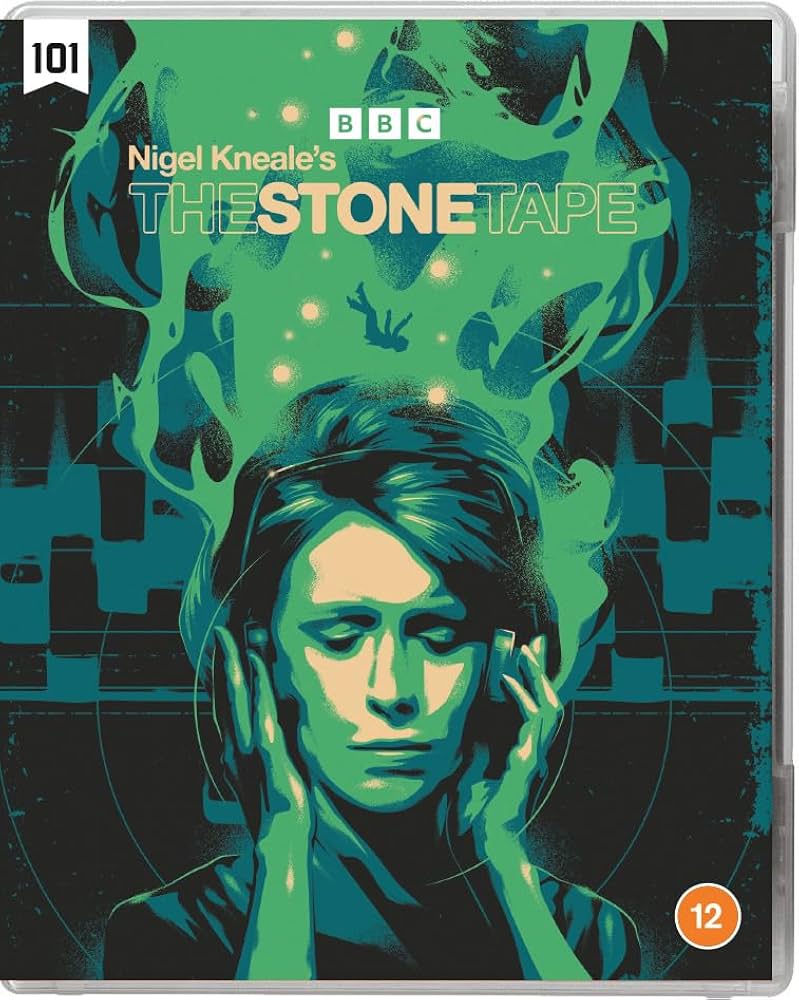
Nigel Kneale’s The Stone Tape is an unnerving fusion of psychological horror and speculative science fiction. Originally produced as a BBC television play, it has since developed a reputation as one of British television’s most thought-provoking ghost stories, blending technological ambition with ancient terrors in a way that lingers long after the credits roll.

The film’s premise is deceptively simple: a group of engineers and scientists working for a tech company move into an old Victorian mansion, hoping to develop a revolutionary new recording medium. However, they soon discover the building harbours something beyond their understanding—a supernatural imprint that seems to play back an inexplicable past event, much like a tape recording. Rather than flee, they approach the phenomenon with scientific curiosity, only to find that their rationality is no match for something far older and more powerful.
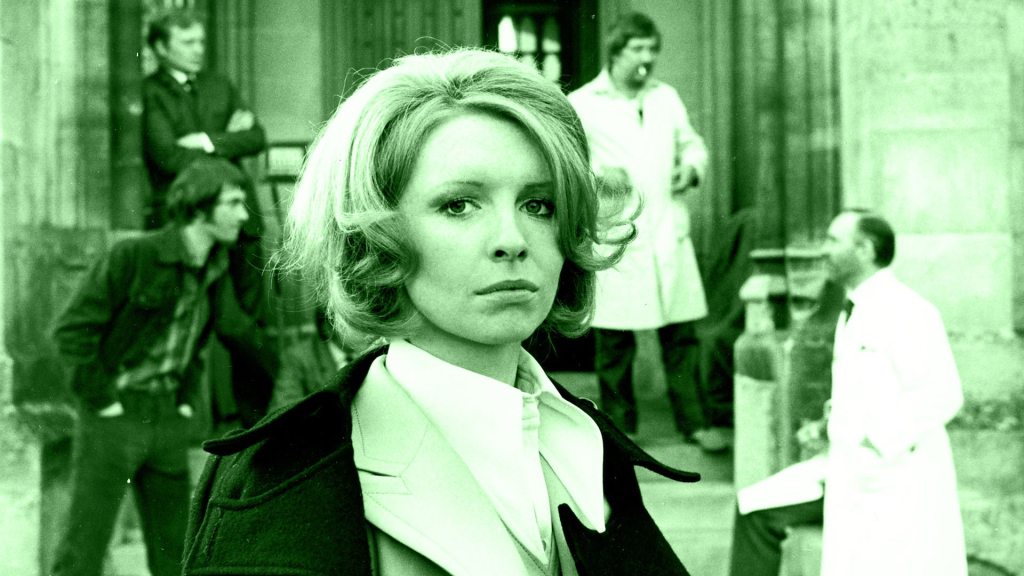
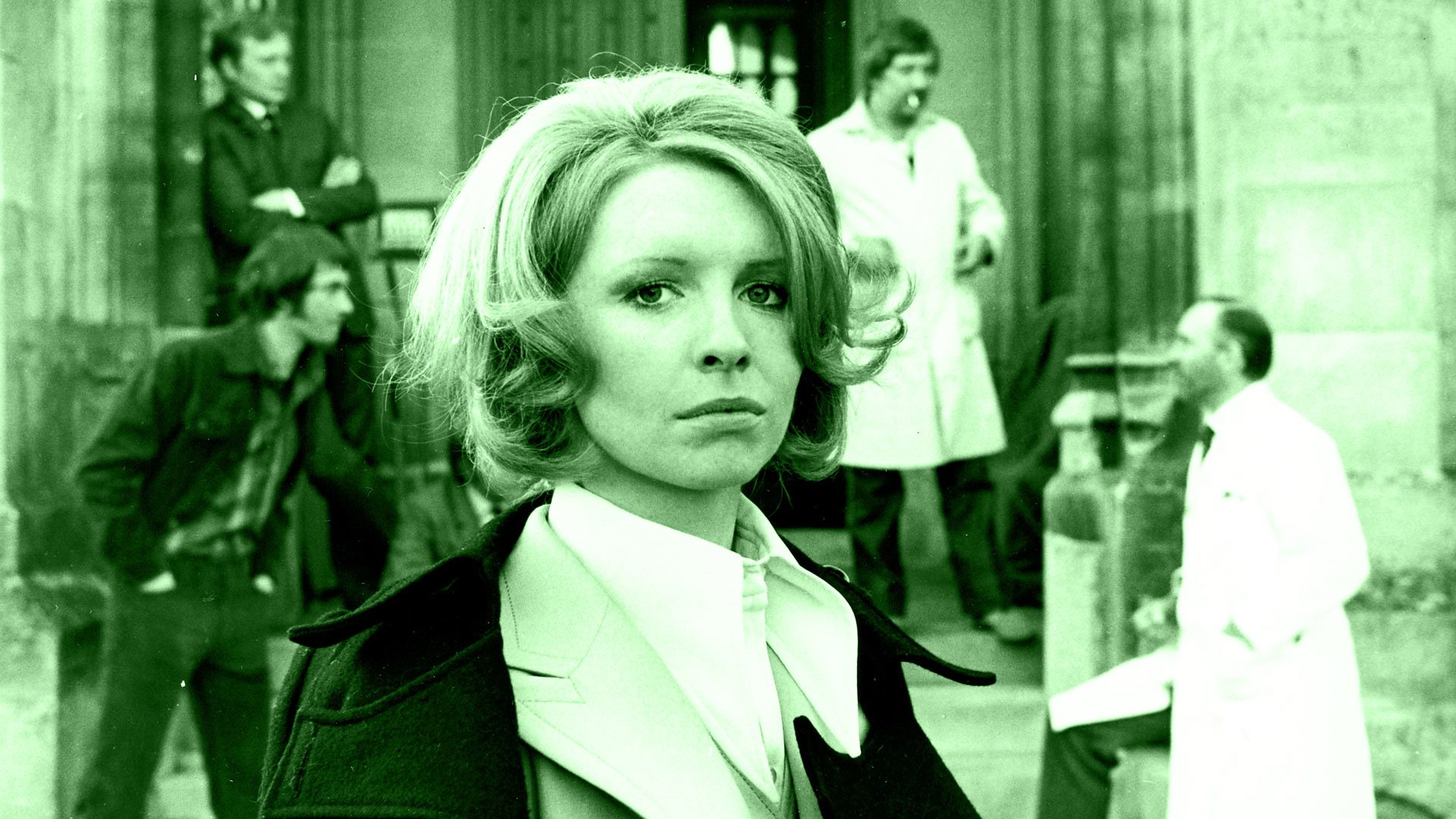
Michael Bryant delivers a gripping performance as Peter Brock, the driven but increasingly unhinged team leader, whose arrogance blinds him to the implications of what they have uncovered. Jane Asher, in one of her strongest roles, plays Jill Greeley, the sensitive computer programmer who perceives the haunting far more deeply than her colleagues. As Jill’s connection to the phenomenon grows stronger, she becomes the tragic heart of the story, her descent into terror made all the more compelling by Asher’s measured and emotive performance.
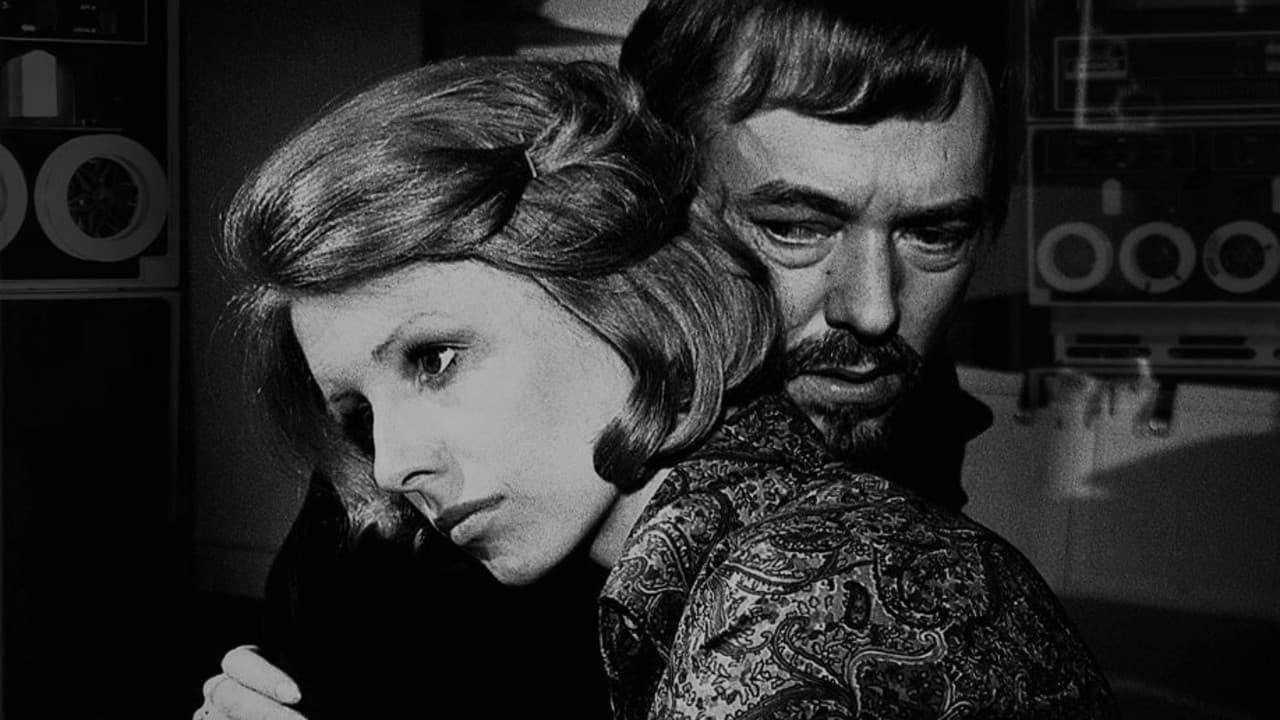
Kneale’s script is both cerebral and chilling, using the concept of “stone tape theory”—the idea that certain materials can record emotional or psychic energy—to craft a ghost story steeped in scientific curiosity. Rather than relying on traditional horror tropes, The Stone Tape builds tension through atmosphere, sound design, and the slow erosion of logic in the face of something inexplicable. The absence of a tangible, visible ghost only heightens the film’s unsettling effect; the horror emerges from what is implied rather than what is shown.
Director Peter Sasdy ensures the story unfolds with an eerie, clinical detachment, making the eventual descent into chaos all the more disturbing. The film’s visuals are stark and functional, reflecting the cold, analytical nature of the research team, while the sound design—filled with piercing electronic wails and unsettling distortions—enhances the feeling of unease.
If The Stone Tape has a flaw, it is in its pacing. The first half is heavily focused on exposition, and some of the scientific discussions may feel dense to those expecting more immediate frights. However, once the horror takes hold, the film becomes utterly absorbing, culminating in a finale that is as bleak as it is thought-provoking.
In an era when ghost stories often relied on Gothic melodrama, The Stone Tape dared to explore supernatural horror through the lens of modern science. The result is a haunting and intelligent film that lingers in the mind like a spectral echo—an unshakable reminder that some things cannot be explained, only endured.
 Roses Have Thoughts
Leave a comment