


Synopsis- In a near-future Australia plagued by economic collapse and youth unrest, a teenage couple visit a drive-in cinema, only to find themselves trapped in a government-run internment camp for society’s undesirables. Escape is the only option, if they can.
Director- Brian Trenchard-Smith
Cast- Ned Manning, Natalie McCurry, Peter Whitford
Genre- Action | Science-Fiction
Released- 1986
There’s something gloriously anarchic about Dead End Drive-In, a film that manages to be both a high-octane B-movie and a scathing social satire, think Mad Max meets Lord of the Flies with a touch of The Warriors, but set in a dilapidated Sydney drive-in that looks like it’s been attacked by both 80s fashionistas and a skip full of neon spray paint.
Directed by Brian Trenchard-Smith, an unsung hero of Australian exploitation cinema, this dystopian oddity delivers a compact 88-minute ride through a punk-styled purgatory, where the youth are corralled, contained, and pacified with junk food, new wave music, and endless loops of trashy films. The set-up, though far-fetched, is queasily plausible: a government initiative to warehouse the unemployed and disaffected in makeshift camps disguised as drive-ins. How very convenient.
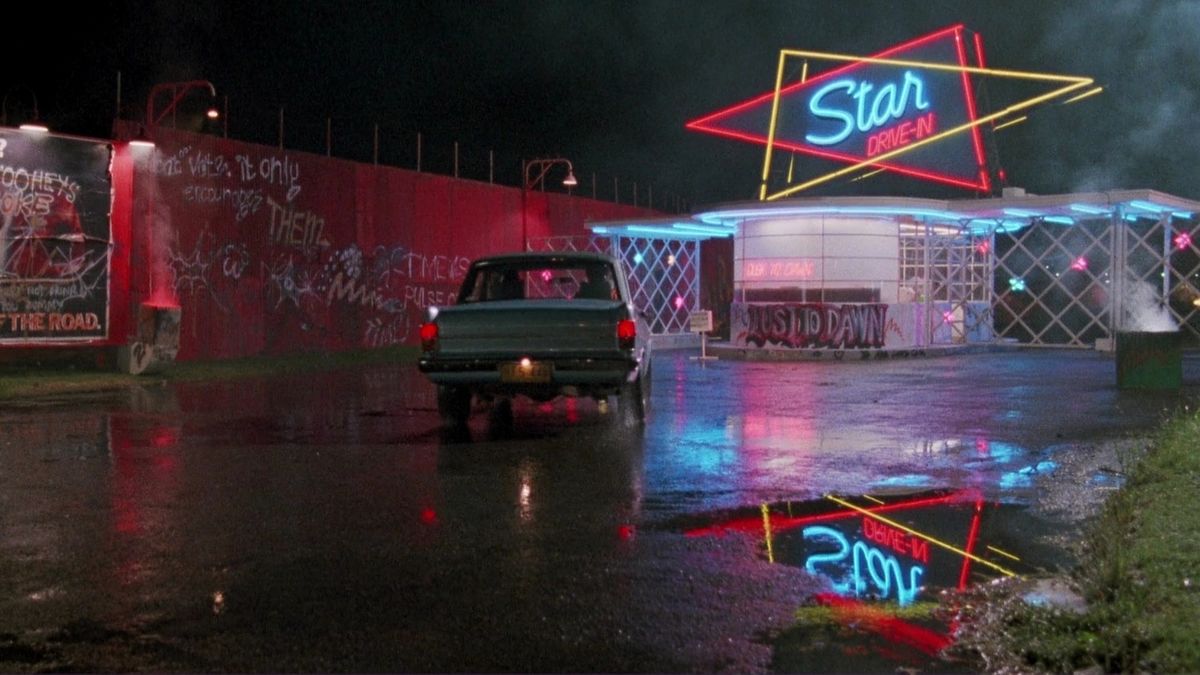
Ned Manning, all wiry energy and teen angst, stars as Jimmy ‘Crabs’ Rossini, a would-be street racer who finds himself and his girlfriend Carmen (McCurry, delivering a performance of surprising depth amid the chaos) locked in a brightly lit prison of complacency. His efforts to escape are met not just with authoritarian resistance, but with a chilling dose of peer pressure, why leave when there’s free food, cheap thrills, and no expectations?
What makes Dead End Drive-In more than just an Ozploitation curio is its biting commentary. Trenchard-Smith’s vision of a society willing to sacrifice its youth to maintain the illusion of order feels eerily prescient. The film’s production design is a standout: all rusting cars, graffiti-tagged structures, and garish lighting that lends the whole enterprise a post-apocalyptic music video aesthetic. It’s low budget, yes, but rarely looks cheap.
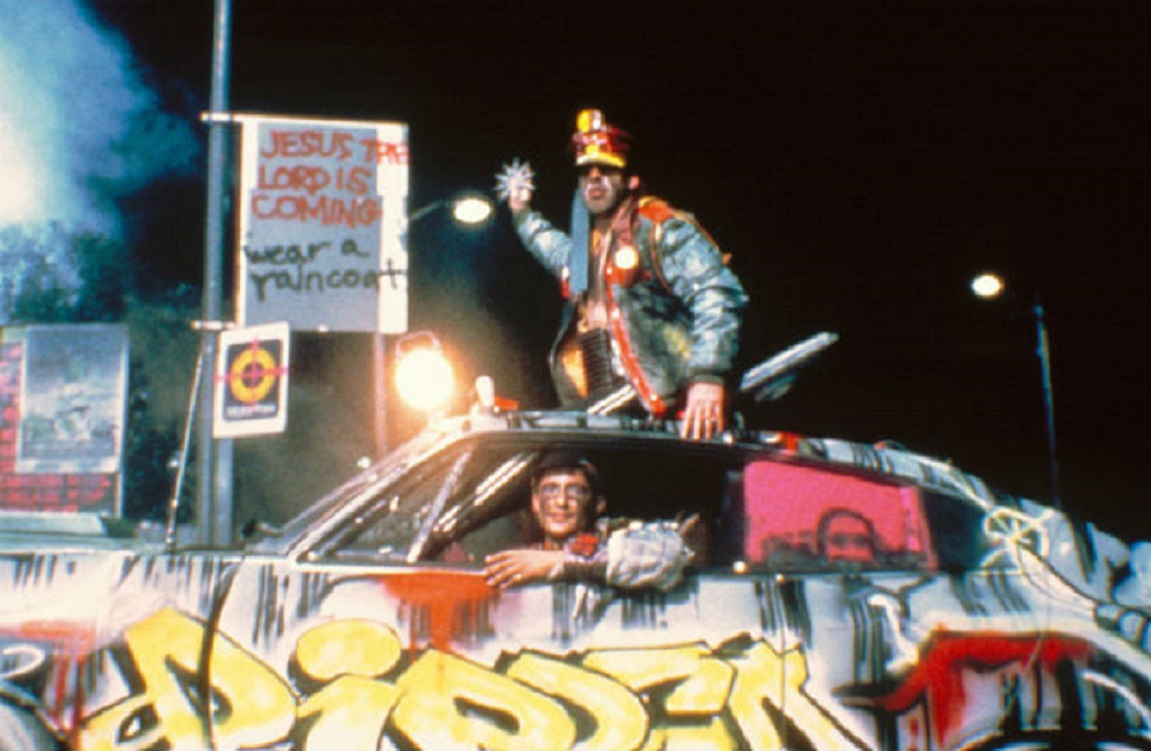
Tonally, the film is caught between a pulp comic and a prophetic parable. At times, it veers into camp, the mullets, the techno tunes, the day-glo fashion, but there’s always a disturbing undercurrent. One could argue it doesn’t dig as deeply into its themes as it could have, and the pacing flags midway, but there’s no denying the strength of its central metaphor.
I can’t help but find this film a “rough diamond”. It’s not perfect, but it has that scrappy, inventive energy that defines cult cinema. More importantly, it has something to say, and says it with style, verve, and a side order of chips.
 Roses Have Thoughts
Leave a comment