
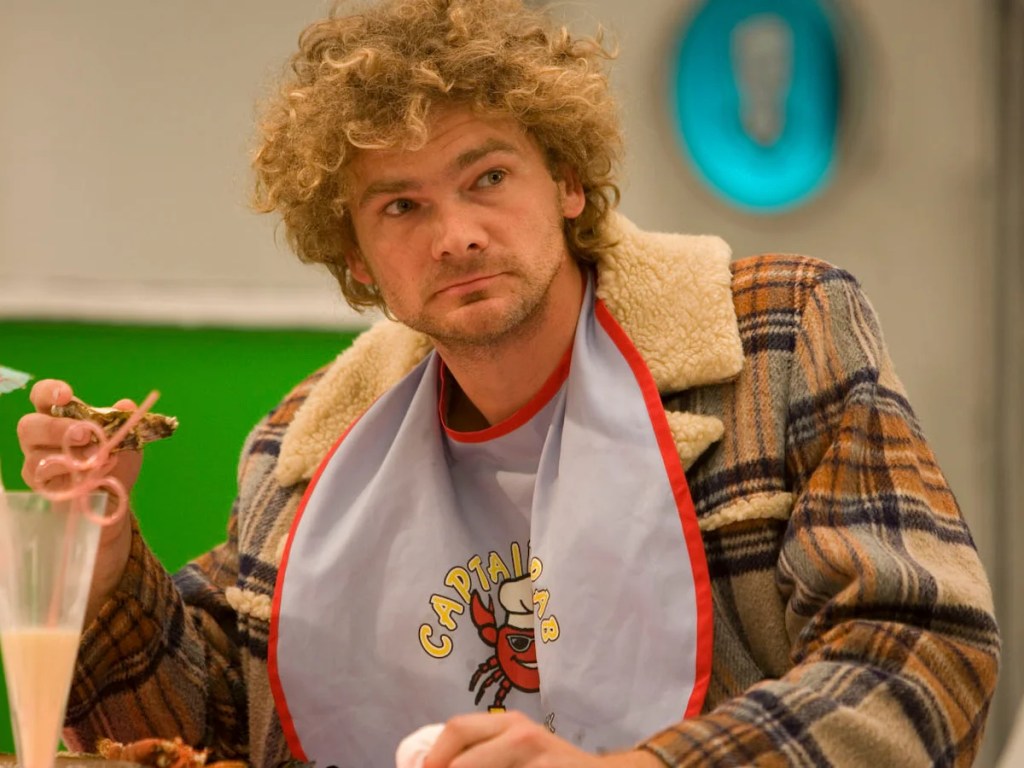

Synopsis- An agoraphobic recluse revisits a surreal European road trip from his past, triggered by mundane objects in his flat, as repressed memories of friendship, romance, and loss unfold through imaginative visuals and dry, offbeat British humour.
Director- Paul King
Cast- Edward Hogg, Simon Farnaby, Veronica Echegui
Released- 2009
Like a dream stitched together from cardboard dioramas, childhood ephemera and old travel brochures, Bunny and the Bull is a proudly oddball entry in the canon of British surrealist cinema. Directed by Paul King, best known for his work on The Mighty Boosh and later the Paddington films, this is a film that wears its whimsy on its sleeve, a genre-blurring road movie that doubles as a study in arrested grief.

At its core is Stephen Turnbull (Edward Hogg), a shut-in whose flat is a time capsule of routines and rituals, each object triggering an involuntary memory from a fateful journey across Europe with his bombastic best friend, Bunny (Simon Farnaby). As Stephen’s memories unravel, the viewer is drawn into a vividly artificial world where cardboard cows graze on felt meadows, and restaurant interiors pop up like theatrical sets. King’s background in television comedy gives the film its signature handcrafted aesthetic, deliberately stagey and defiantly non-naturalistic.
Hogg plays Stephen with a quiet, neurotic charm, part Harold from Harold and Maude, part Kafkaesque cipher. Farnaby, by contrast, explodes onto the screen with crude jokes, unfiltered bravado, and a tragic undertow of his own. Their friendship—uneasy, co-dependent, and ultimately fractured, is the emotional axis on which the film turns. Veronica Echegui, as the warm but enigmatic Eloisa, adds another layer of complexity, grounding the two men’s dynamic in something recognisably human amidst the surrealism.

What distinguishes Bunny and the Bull is not just its stylised visual grammar—clearly indebted to Michel Gondry and early Jeunet, but its melancholic undercurrent. Beneath the whimsical production design and comedic beats lies a portrait of emotional paralysis and repressed trauma. The film is, in many ways, an exploration of memory itself: fragmented, selective, often absurd. King directs with a firm hand, never allowing the eccentricities to drown out the emotional core.
That said, the film is not without missteps. The relentless quirkiness occasionally veers into indulgence, and some viewers may find the whimsy cloying rather than charming. The pacing wobbles slightly in the final third, as sentimentality begins to overtake the wry detachment of the earlier sequences. But these are quibbles in what is otherwise a bold, imaginative debut.
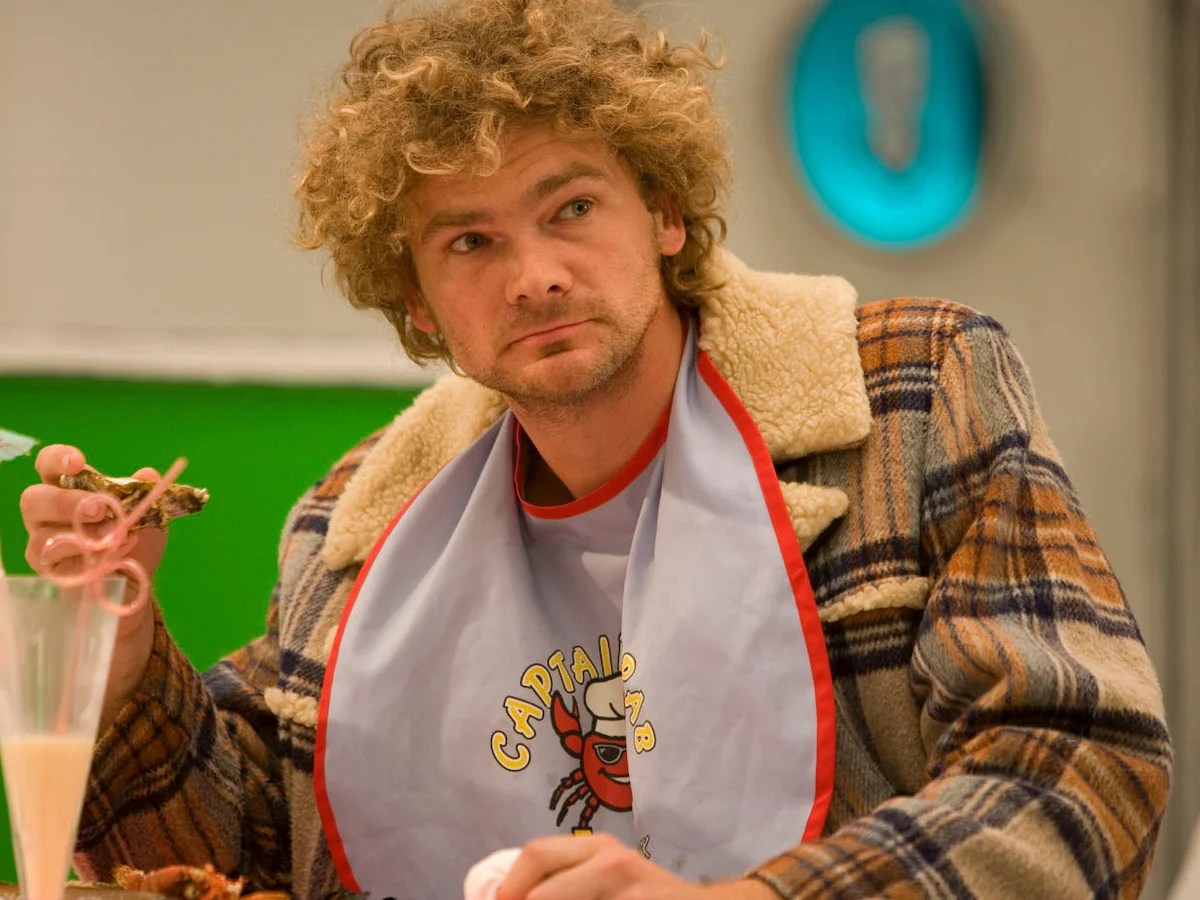
Supporting cameos from Boosh alumni, Julian Barratt and Noel Fielding, add comic flair, though their presence feels more ornamental than essential. Still, they’re in keeping with the film’s spirit: a collage of comedic absurdity and visual invention, held together by the quiet ache of lost friendship.
Equal parts travelogue, therapy session, and pop-up book, Bunny and the Bull is an ambitious and emotionally resonant debut that lingers long after its final cardboard curtain falls.
 Roses Have Thoughts
Leave a comment