
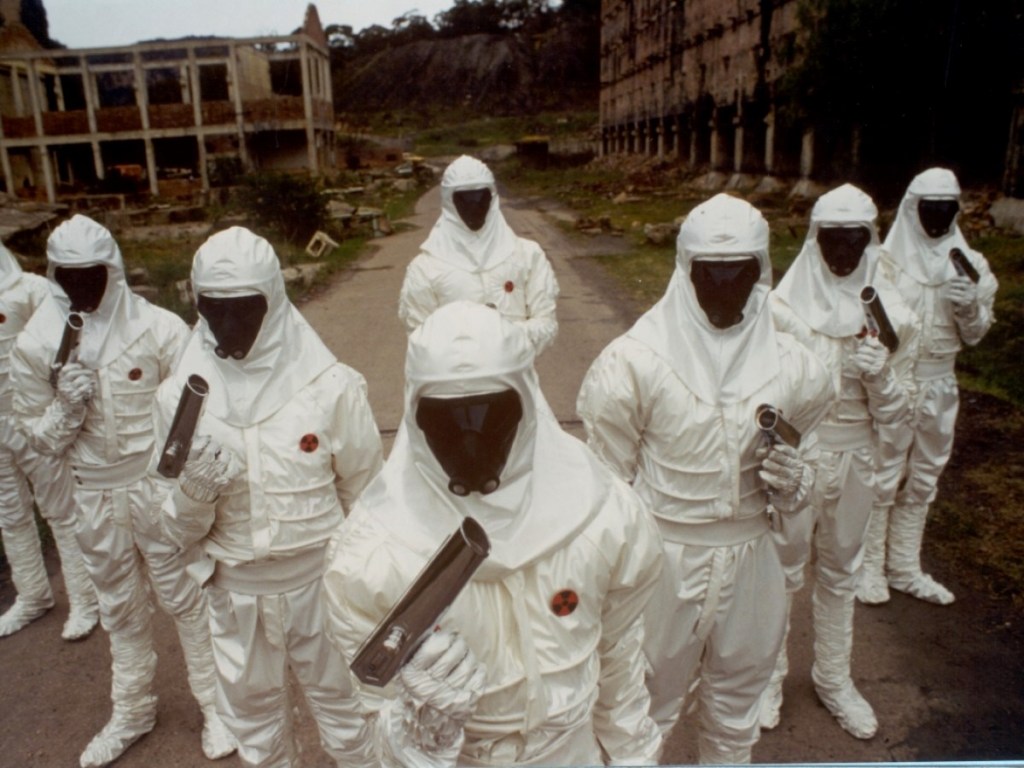
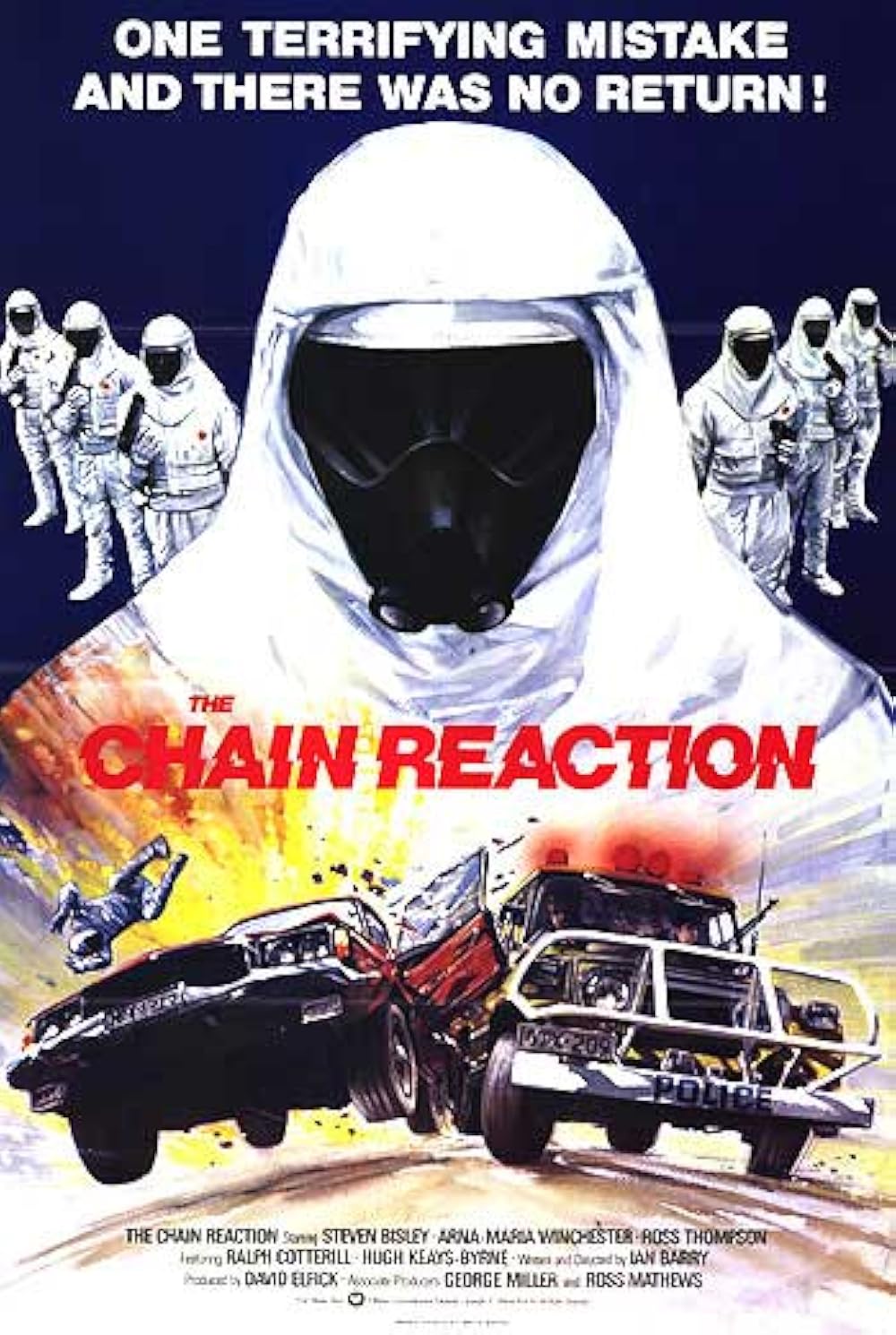
Synopsis- After a toxic leak at a remote nuclear facility, an injured scientist flees with vital evidence, prompting a frantic chase through the Australian outback. A mechanic and his wife are unwittingly caught in the crossfire between cover-up and catastrophe.
Director- Ian Barry
Cast- Steve Bisley, Hugh Keays, Lorna Lesley
Genre- Thriller | Science Fiction
Released- 1980
Completely by mistake I came across this title on a popular streaming service and it was only afterwards did I realise that this wasn’t the movie that I clicked on, which may partially explain why I found The Chain Reaction a little disappointing as I was constantly wondering when the things I had seen in the synopsis were going to happen, however I can’t help but feel that I would have found fault with this movie no matter what.
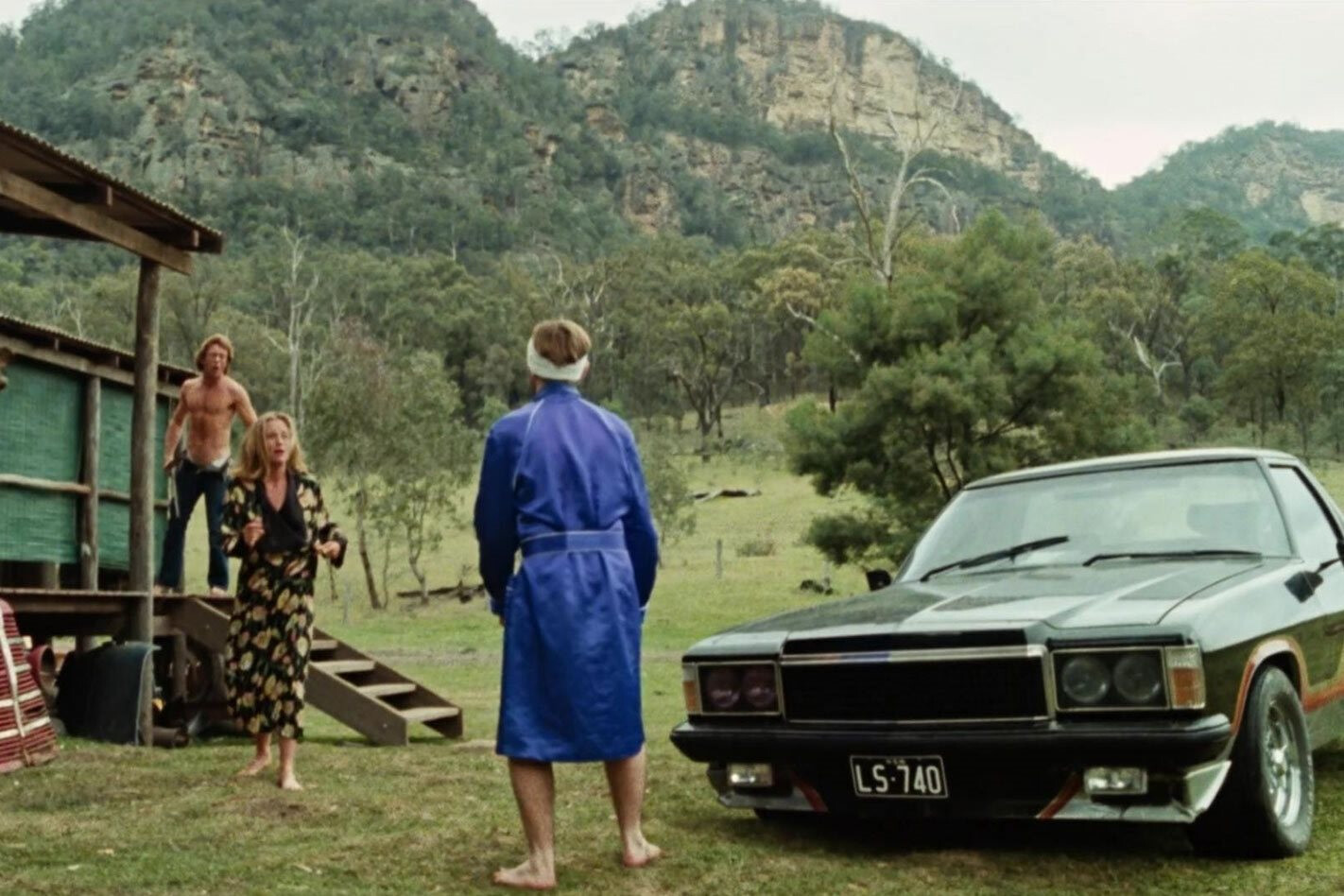
Directed by Ian Barry and often pitched as “Australia’s answer to The China Syndrome,” aims to be a taut eco-thriller with a socio-political conscience. Unfortunately, despite noble intentions and flashes of visual flair, the film never quite reaches critical mass. What begins as a promising premise soon devolves into an uneven blend of chase film, cautionary tale, and clunky melodrama, held together by spit, idealism, and a handful of sweaty performances.
The plot revolves around a nuclear accident at a secretive facility in the Australian bush. A scientist, injured and delirious from radiation exposure, escapes with knowledge that could expose a conspiracy. Enter Larry (Steve Bisley), a mechanic on a rural retreat with his wife Carmel (Lorna Lesley), who suddenly finds himself dragged into a dangerous web of pursuit and obfuscation. What follows is a strange fusion of road movie and Cold War paranoia that strains to keep the momentum going.
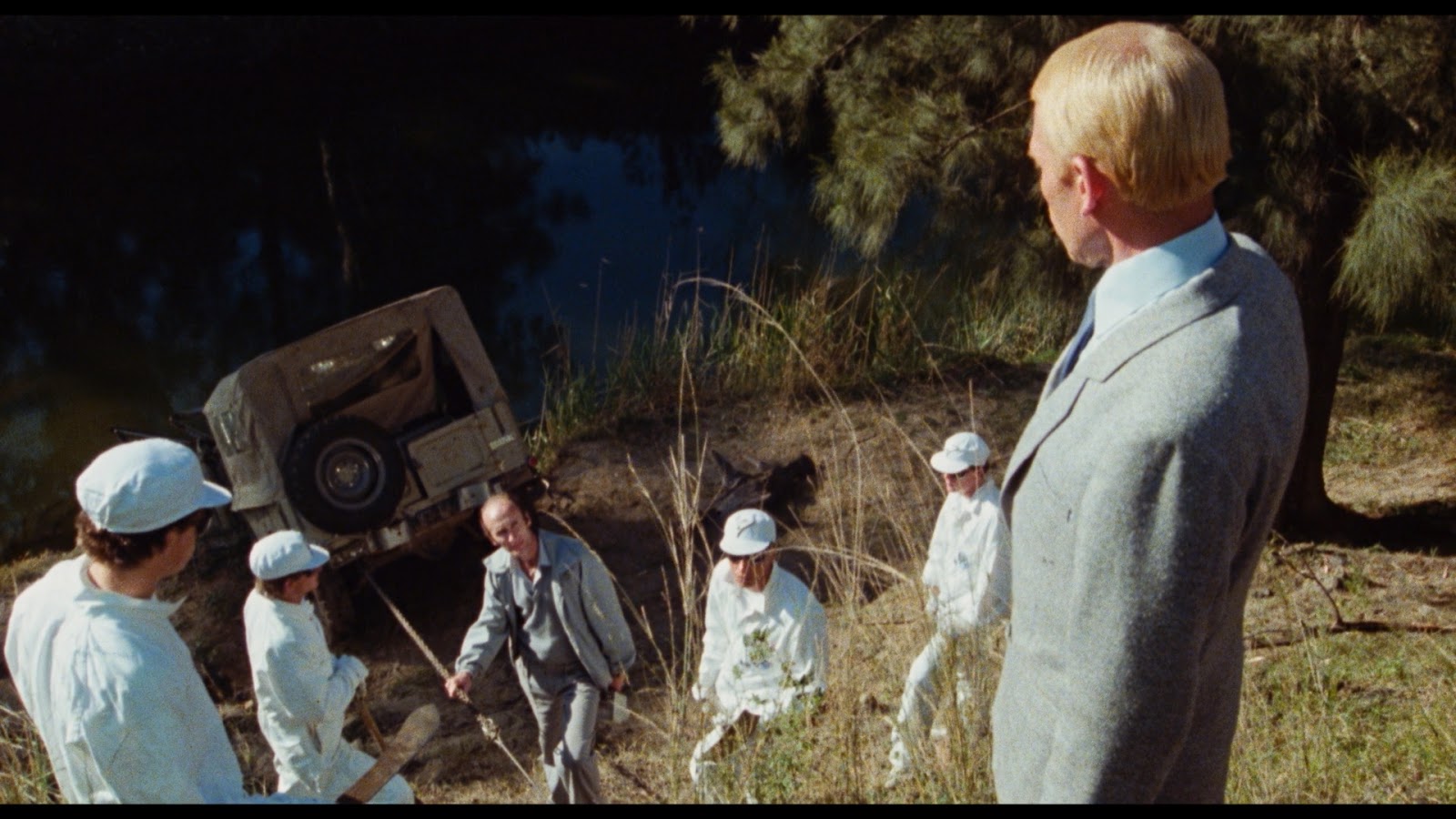
The film is at its most compelling when it leans into its environmental anxieties. Released in the wake of Three Mile Island and years before Chernobyl, The Chain Reaction taps into genuine fears about corporate secrecy and technological arrogance. However, the screenplay—co-written by Barry and Mac Gudgeon, fails to flesh out these themes with much sophistication. Characters are frequently mouthpieces for exposition, and the tension that should drive the narrative dissipates under the weight of meandering dialogue and undercooked subplots.
Steve Bisley, best known for his role in Mad Max (1979), makes for a reasonably grounded protagonist, and there’s a rugged naturalism to his performance that holds the film together when it teeters on the edge of absurdity. Lorna Lesley is given little to do beyond fret and follow, while Hugh Keays, another Mad Max alumnus, brings his customary intensity to the role of the enigmatic Eagle, though even his efforts are somewhat wasted on a character with thin motivation.
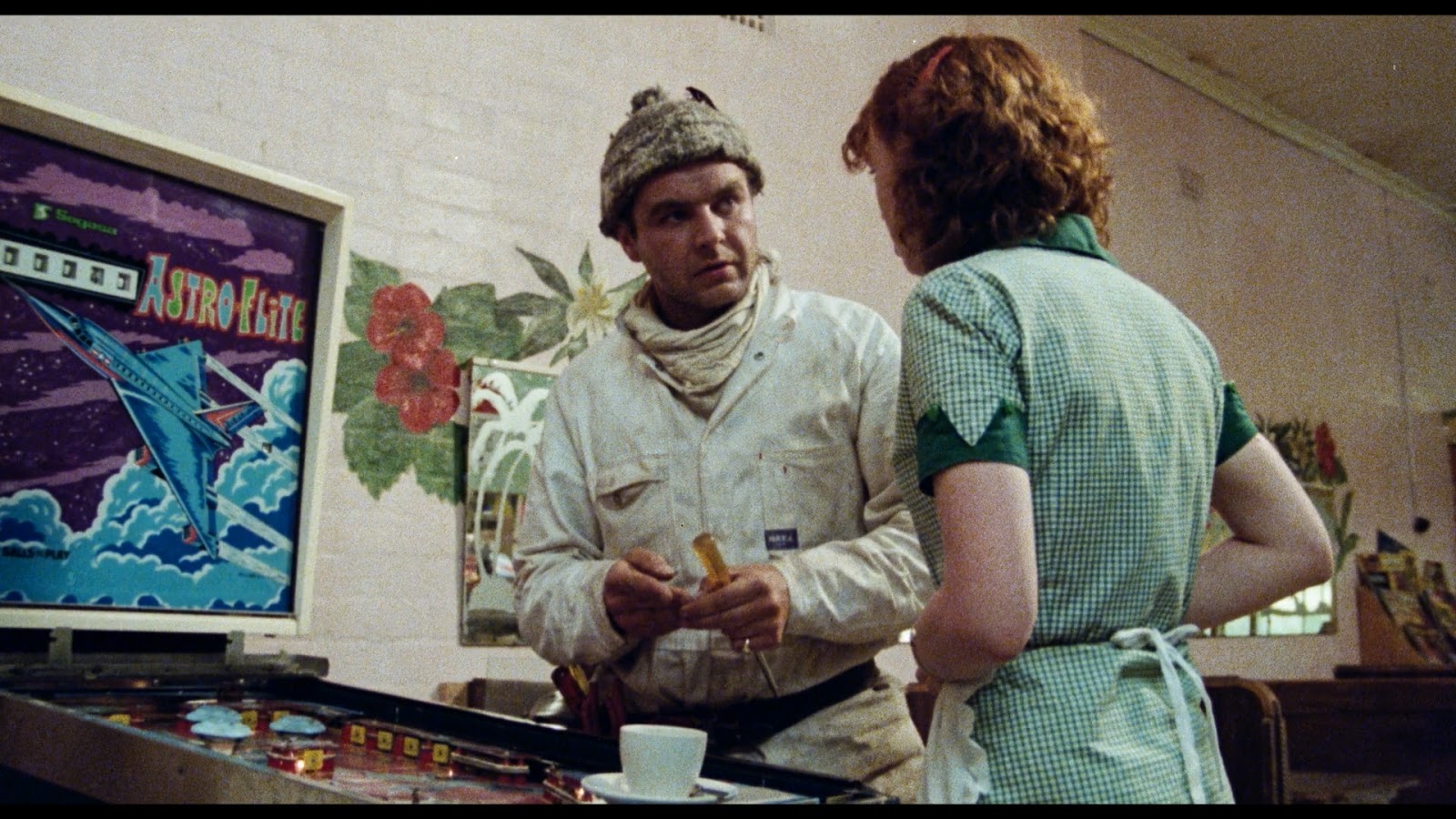
Technically, the film is more impressive than its script. Dean Semler’s cinematography captures the stark isolation of the Australian landscape, turning open plains into something both beautiful and foreboding. The score, however, is dated and intrusive, often telegraphing suspense that the film fails to deliver organically. A blink-and-you’ll-miss-it cameo by Mel Gibson offers an unintended chuckle, a reminder that the film sits firmly in the shadow of more successful Australian genre fare.
Despite being marketed as a thriller, The Chain Reaction rarely thrills. Its pacing is inconsistent, its drama underdeveloped, and its climactic revelations feel more like a whimper than a bang. There’s a sense that it wanted to be both a message film and a popcorn flick, but in trying to serve both masters, it satisfies neither.
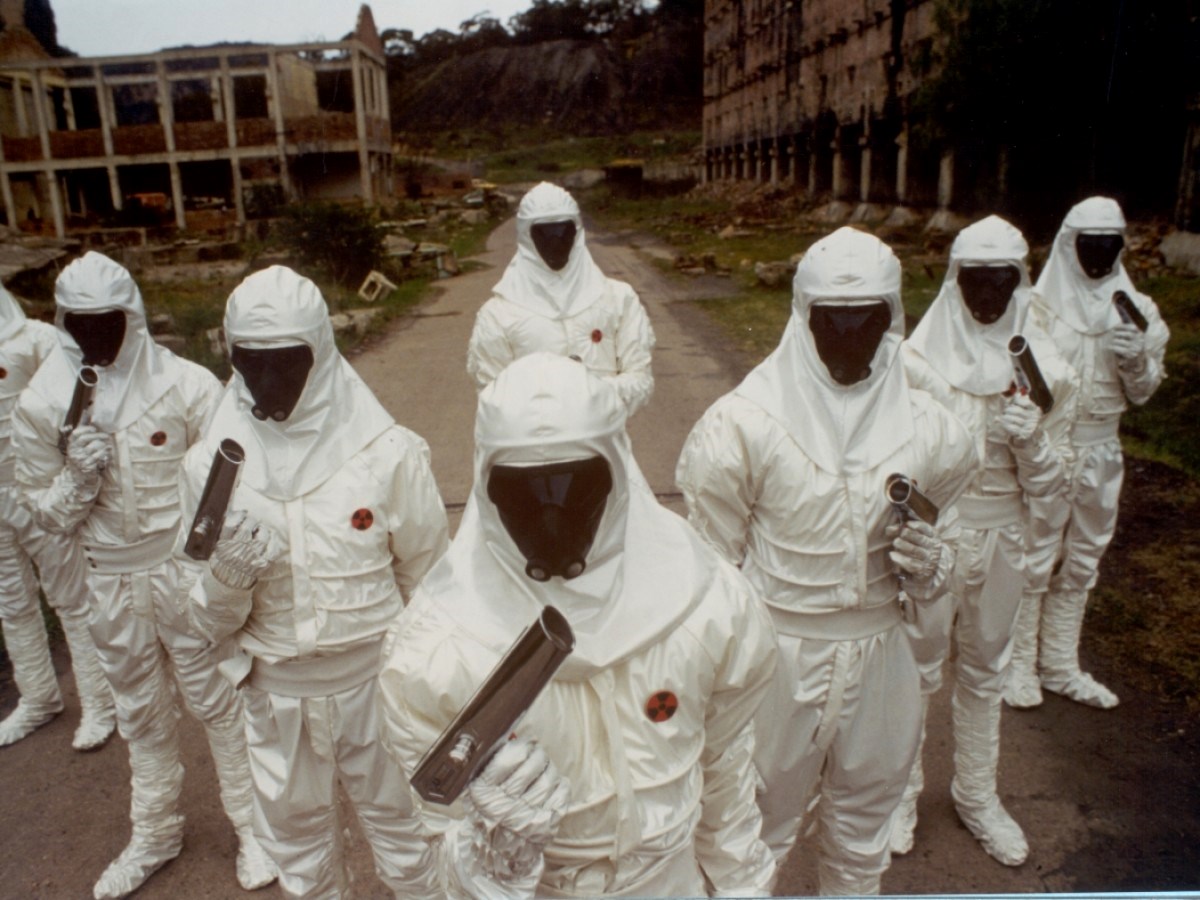
In the end, The Chain Reaction is a cinematic cautionary tale that squanders its potential in a cloud of clumsy dialogue and erratic pacing. A missed opportunity in the annals of Australian cinema and might be why said steaming service is tricking people into watching.
 Roses Have Thoughts
Leave a comment