


Synopsis- In WWII, RAF Wing Commander Guy Gibson leads a daring mission to destroy German dams using innovative “bouncing bombs.” As engineers and pilots defy the odds, Britain’s fate hinges on ingenuity, precision, and courage in the skies above Europe.
Director- Michael Anderson
Cast- Richard Todd, Michael Redgrave, Ursula Jeans
Genre- War, Drama, Historical
Released- 1955
Some films manage to transcend their origins and become part of the national consciousness. The Dam Busters, directed by Michael Anderson, is such a film. More than just a stirring wartime drama, it’s a rousing testament to human ingenuity, stoic heroism, and the understated bravery of a nation under siege. Even seventy years on, this British classic remains every bit as inspiring and technically impressive as it was on release.

Based on the real-life Operation Chastise, The Dam Busters tells the story of Wing Commander Guy Gibson and scientist Dr Barnes Wallis, whose daring plan to destroy key German dams using specially designed bouncing bombs marked a pivotal moment in Britain’s aerial campaign during WWII. The film deftly interweaves two narrative strands: the painstaking development of the bomb by Wallis (Michael Redgrave, giving a performance of quiet desperation and brilliance), and the recruitment, training, and eventual execution of the mission under Gibson’s command (played with clipped determination by Richard Todd).
This is a film that wears its patriotism with dignity rather than bombast. The screenplay, adapted by R. C. Sherriff from Paul Brickhill’s book and Wallis’s own accounts, favours procedural detail over melodrama. There is tension, certainly, particularly in the final act’s nail-biting aerial assault, but it’s earned through a steady accumulation of character and craft rather than cinematic trickery. We see setbacks, frustrations, moral weight. Victory, when it comes, feels hard-won.

Anderson’s direction is economical but deeply respectful, allowing the story’s natural suspense and emotional resonance to carry the weight. The flying sequences, filmed with a mix of miniatures and real Lancaster bombers, remain breath-taking. There’s a tactility to them, an analogue precision, that modern CGI often fails to replicate. Eric Coates’ stirring Dam Busters March, now iconic, lends the film a sense of grandeur and solemn pride without tipping into propaganda.
The performances are uniformly strong. Redgrave captures Wallis’s anguish over the human cost of innovation, while Todd plays Gibson not as a swaggering war hero, but as a deeply committed professional bearing enormous responsibility. Supporting players lend gravitas without overshadowing the narrative, and the RAF crew scenes strike a careful balance between camaraderie and impending doom.
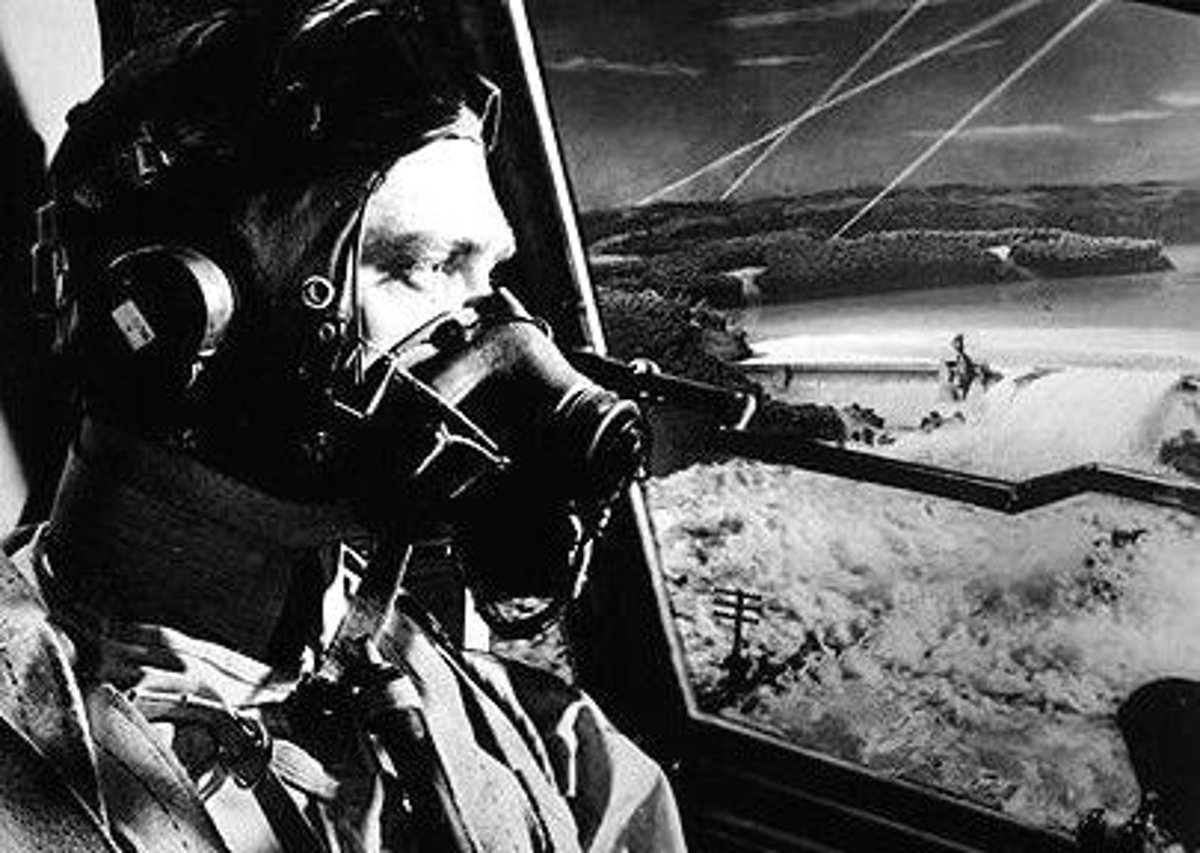
Yes, the film reflects its time in more ways than one, most controversially in the name of Gibson’s dog, which has rightly been addressed in later broadcasts. But The Dam Busters endures not because of jingoism, but because of its deep respect for sacrifice and its unflinching portrayal of the moral and mechanical complexities of war.
An enduring British classic that combines technical mastery, emotional restraint, and moral seriousness. The Dam Busters isn’t just great wartime cinema, it’s one of the finest films ever made about the cost and courage of innovation in the face of conflict.
 Roses Have Thoughts
Leave a comment