


Synopsis- Rush follows the intense real-life rivalry between Formula 1 drivers James Hunt and Niki Lauda during the 1976 season, capturing the danger, obsession, and fragile humanity behind the glamour and speed of the sport.
Director- Ron Howard
Genre- Chris Hemsworth, Daniel Brühl, Olivia Wilde
Released- 2013
Ron Howard’s Rush is not merely a film about Formula 1 racing, it’s a sleek, high-octane study in character, ego, and the existential costs of greatness. With the pulse of an action thriller and the emotional nuance of a character-driven drama, Rush accomplishes something rare in the sports genre: it makes the psychological stakes every bit as gripping as the physical ones.

At its core, Rush is the story of a rivalry. James Hunt (Hemsworth), the charming, hedonistic British playboy, and Niki Lauda (Brühl), the austere, brilliant Austrian technician, are opposites in temperament, philosophy, and approach to racing. What unites them—obsession, pride, and a compulsion to win, is what also drives them to the edge of self-destruction.
Howard, working from a sharp script by Peter Morgan, masterfully captures the arc of their rivalry during the fateful 1976 season, culminating in Lauda’s near-fatal crash at the Nürburgring and his astonishingly swift return to the sport. The film moves with the sleekness of a Ferrari in full throttle but never loses sight of the human story beneath the helmets.
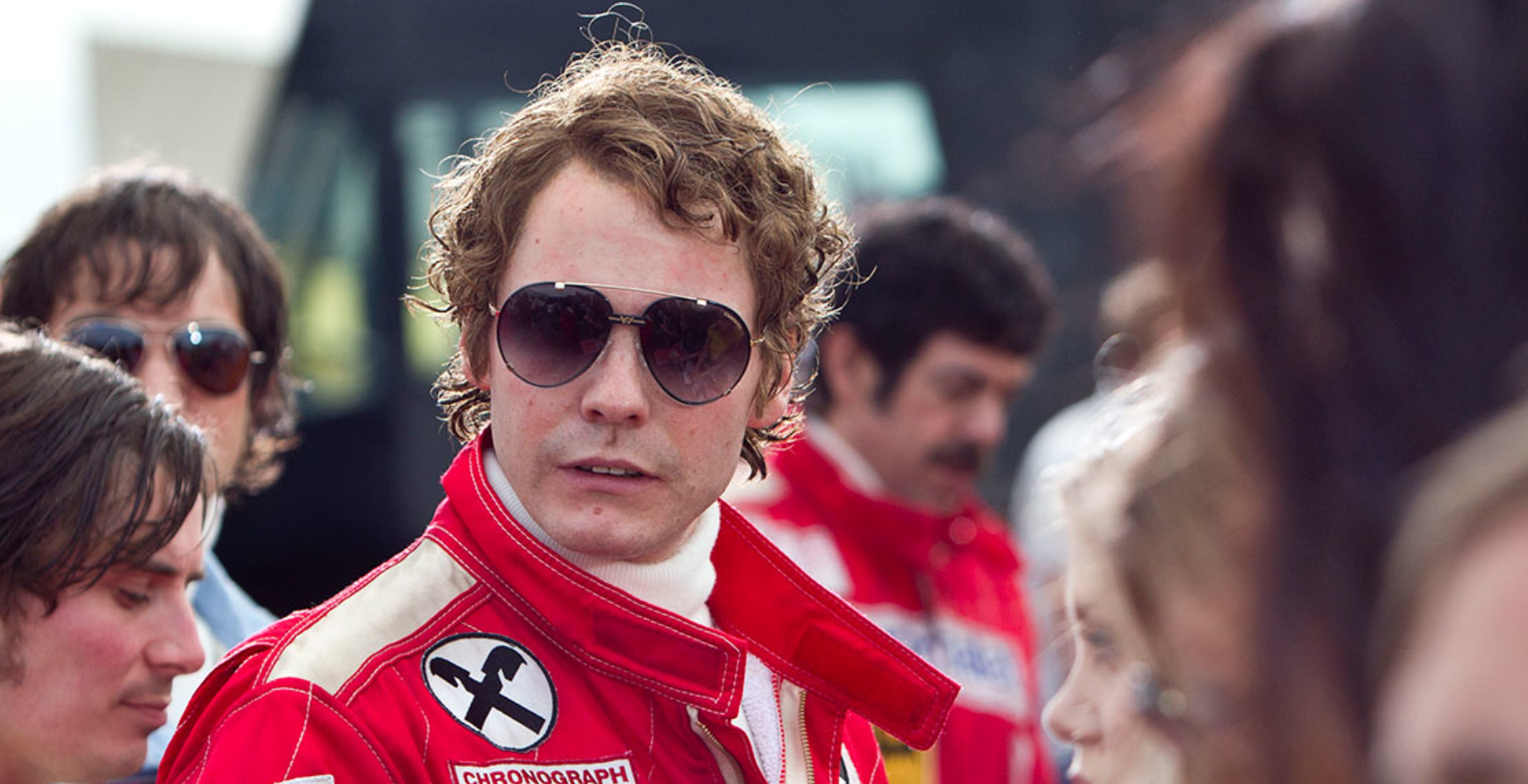
Hemsworth brings surprising depth to Hunt, a man who masks his fears with charm and bravado. He’s more than just a handsome thrill-seeker, there’s desperation behind his swagger, a need to prove himself even when it threatens to destroy him. But it is Brühl who delivers the film’s standout performance. His Lauda is rigid, unsentimental, and brutally honest, yet never unsympathetic. Brühl resists caricature, revealing the vulnerability and defiance of a man who refuses to let fate dictate his path.
The racing sequences, expertly shot by cinematographer Anthony Dod Mantle, are among the most viscerally exciting in recent memory. Howard wisely avoids CGI overload, opting instead for immersive, tactile filmmaking that places the viewer in the driver’s seat. The roar of engines, the shimmer of rain-slicked tarmac, the split-second decisions made at 170mph, all of it feels raw and immediate.
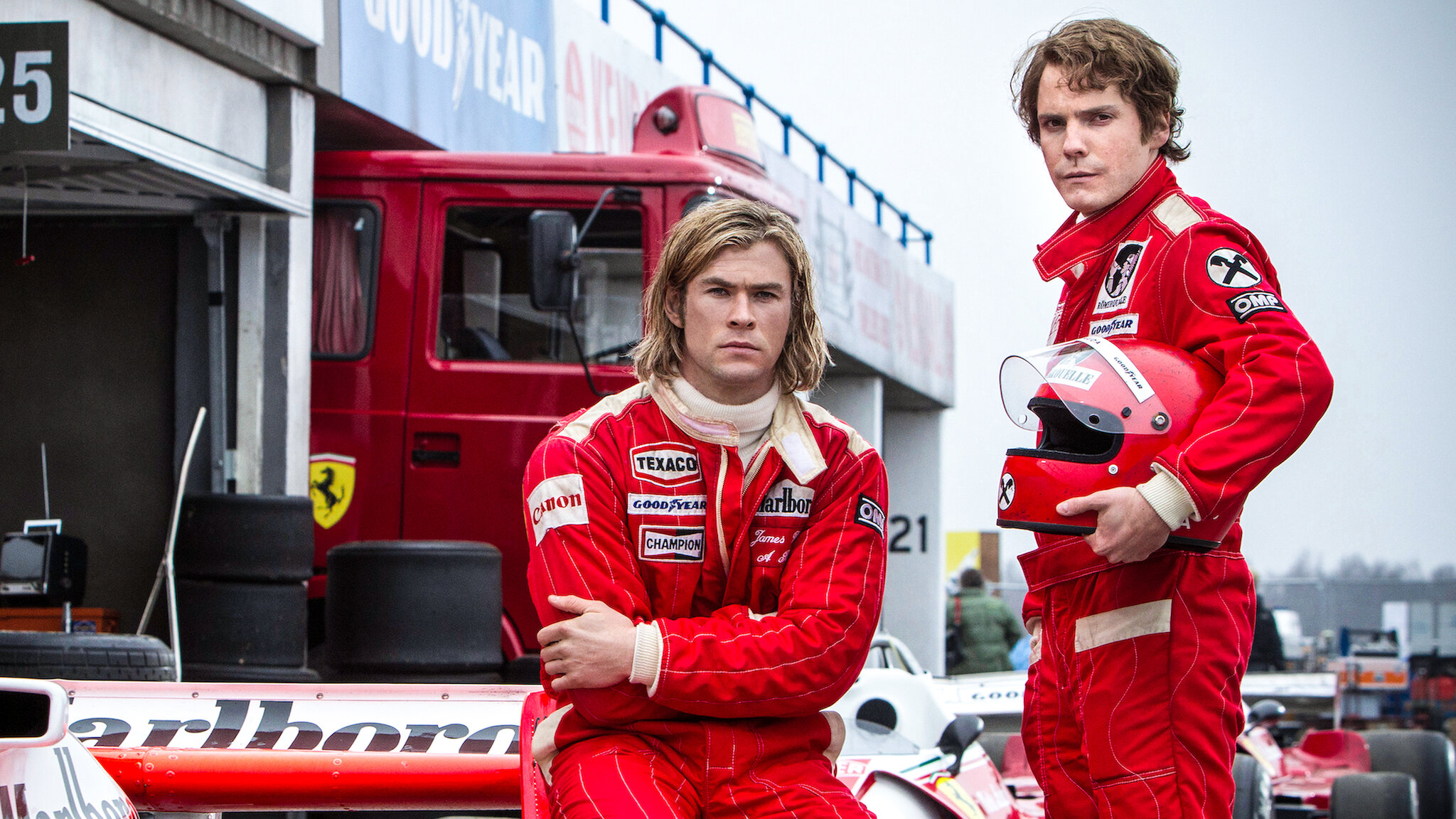
Yet Rush’s most impressive feat may be its refusal to take sides. This is not a hero-and-villain tale, but rather a meditation on how different kinds of greatness can look, and feel. It suggests that rivalries are not merely about winning or losing, but about defining oneself in opposition to another. In the end, it’s not victory that makes these men heroic, but the risks they’re willing to take in pursuit of meaning.
Rush is a rare sports film, thrilling, intelligent, and deeply humane. It honours its real-life subjects not by romanticising them, but by exploring their flaws, strengths, and the beautiful contradictions that drive them. A near-masterpiece of its genre.

 Roses Have Thoughts
Leave a comment