
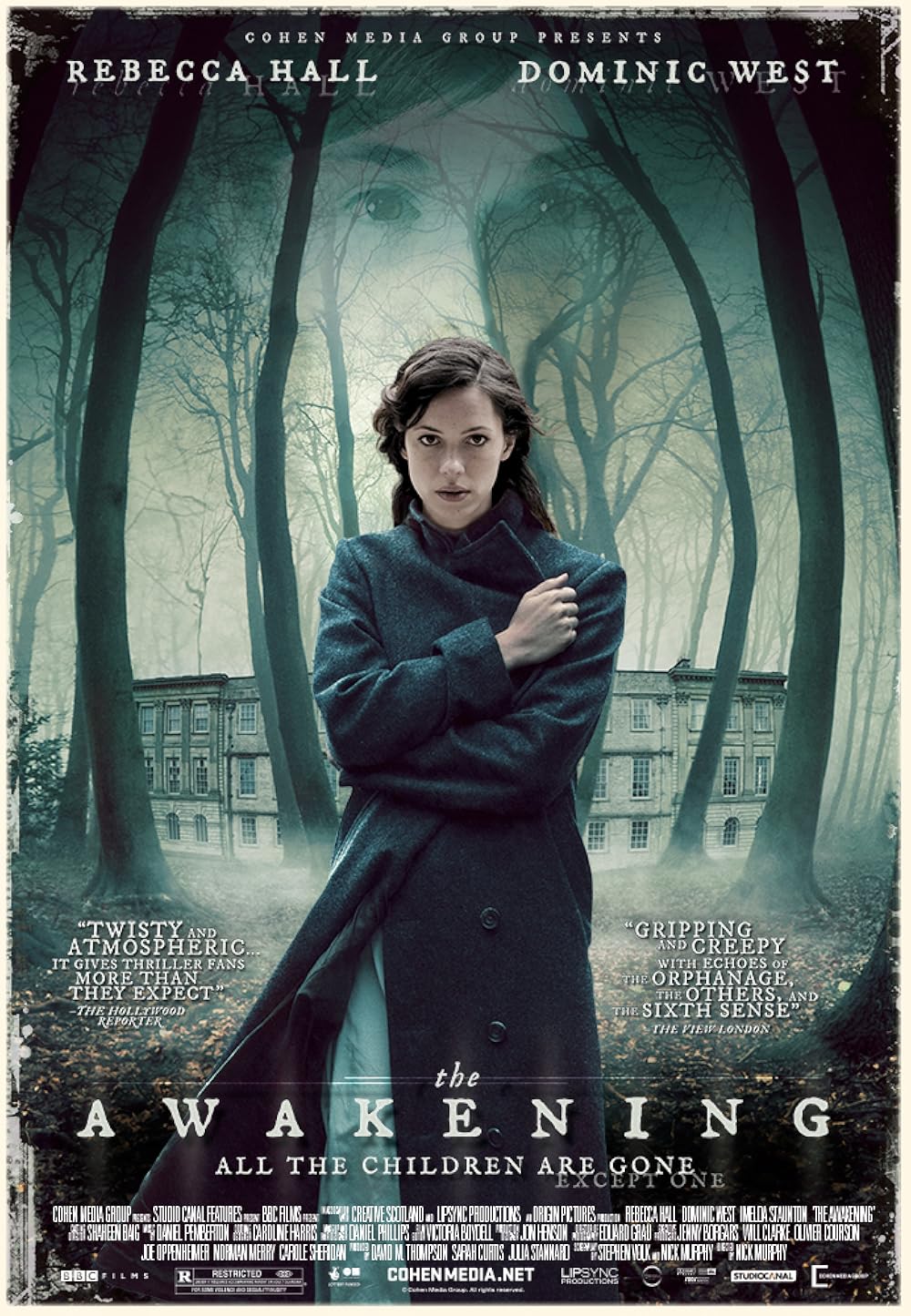
Synopsis- In the post–World War I England, a sceptical paranormal investigator is called to a boys’ boarding school to debunk a haunting. Still, as she digs deeper, the mystery becomes disturbingly personal.
Director- Nick Murphy
Cast- Rebecca Hall, Dominic West, Imelda Staunton
Genre- Horror | Mystery
Released- 2011
The Awakening, directed by Nick Murphy, is an atmospheric, intelligently constructed ghost story that trades in bombastic scares for a slow-burning, psychological unease. What begins as a classic “rationalist confronts the supernatural” premise evolves into something more intimate, exploring themes of grief, trauma, and memory. While it doesn’t reinvent the haunted house genre, it does offer a quietly compelling variation, elevated by fine performances and an eerie period setting in the vain of Woman in Black.

Rebecca Hall anchors the film with steely conviction as Florence Cathcart, a woman of science in an era not particularly kind to female intellectuals. Her investigations into spiritualism are rooted in reason and trauma, she’s driven by personal loss as much as principle. Hall balances intelligence with emotional vulnerability, making Florence a compelling figure as her certainties begin to unravel. Dominic West provides a strong counterpoint as the war-scarred schoolmaster, Robert Mallory, who carries his own ghosts. Their interactions add a subtle layer of emotional tension without succumbing to melodrama.
Imelda Staunton, always reliable, offers a nuanced performance as the matron, Maud Hill, lending the film a quiet sense of foreboding that deepens as secrets are revealed. The trio forms the film’s emotional spine, guiding the viewer through the twisting corridors of both the haunted school and their own histories.

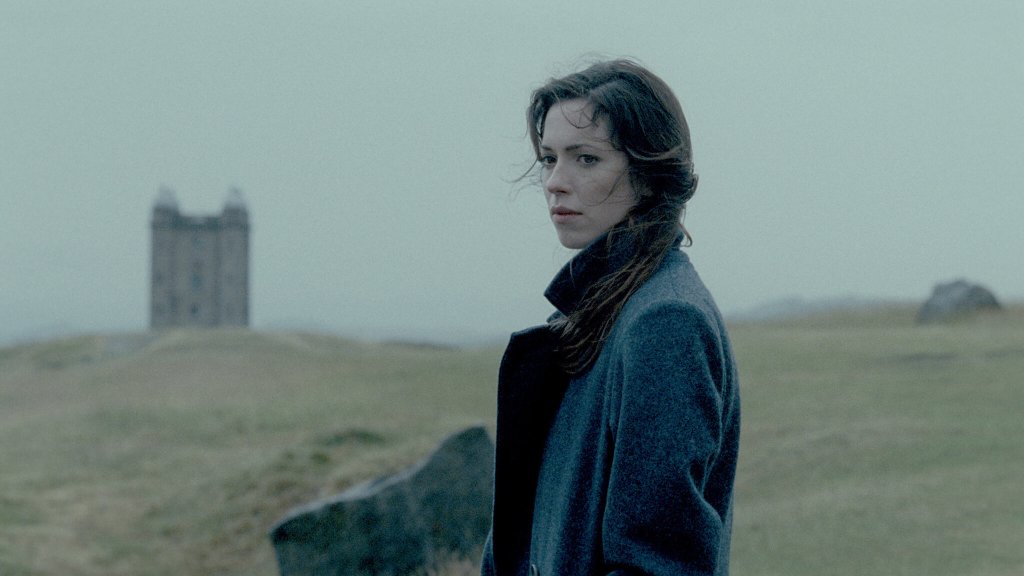
The film’s production design is a triumph. The foggy, grey-washed visuals and imposing architecture create an atmosphere that’s both bleak and beautiful. Daniel Pemberton’s moody score underscores the film’s melancholy tone, complementing the restrained approach to supernatural elements.
If The Awakening stumbles, it’s in its final act, where the narrative leans heavily on psychological twists and revelations. The denouement may divide audiences: some will admire its emotional ambition, while others may find it overly contrived. Yet, even this slightly muddled conclusion can’t obscure the film’s thoughtfulness and beautiful cinematography.

In a genre that often favours shrieking chaos over subtlety, The Awakening is a welcome exception, a ghost story for grown-ups, where the true horrors lie not just in things that go bump in the night, but in the shadows of the mind. It may not haunt you forever, but while it lasts, it certainly casts a spell.
 Roses Have Thoughts
Leave a comment