


Synopsis- A seemingly independent teenage girl lives alone in a quiet seaside town, hiding dark secrets while fending off nosy neighbours and a predatory local man with sinister intentions.
Director- Nicolas Gessner
Cast- Jodie Foster, Martin Sheen, Alexis Smith
Released- 1976
The Little Girl Who Lives Down the Lane is a moody, offbeat thriller that teeters on the edge of horror but remains firmly grounded in psychological tension. Directed by Nicolas Gessner and adapted from Laird Koenig’s novel, the film creates an eerie atmosphere that lingers long after the credits roll, even if the story’s momentum occasionally wavers.
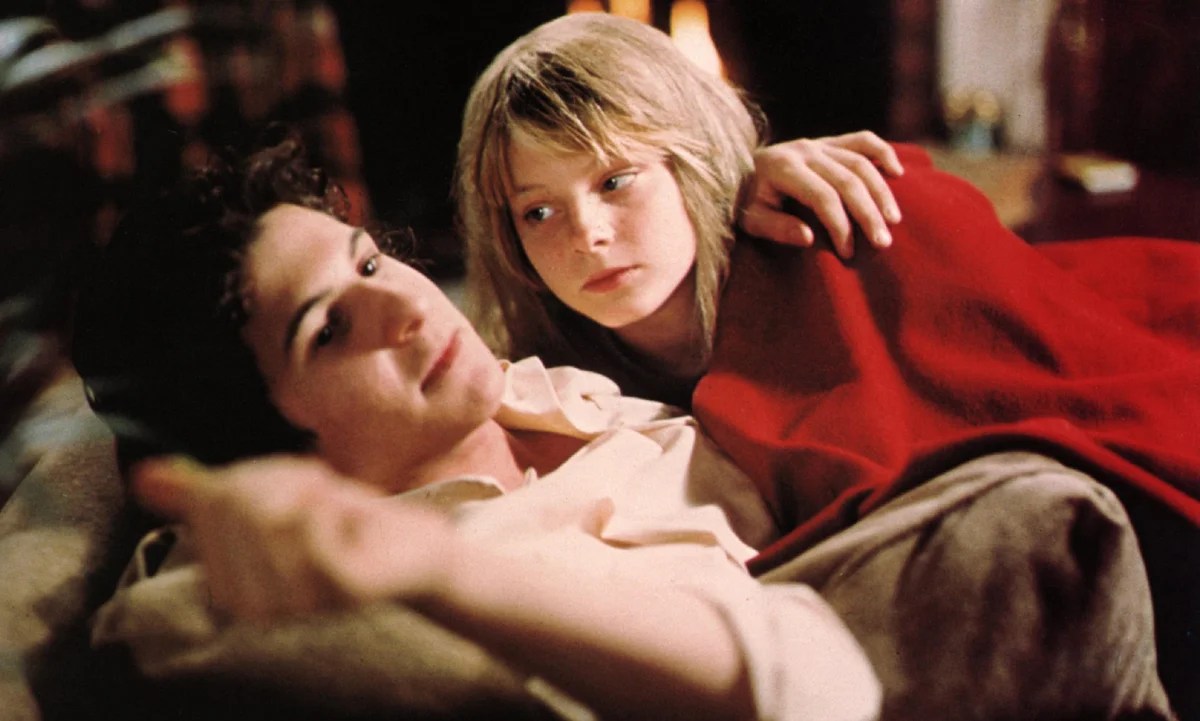
At the centre of this unsettling tale is Jodie Foster, astonishingly composed and precise as Rynn Jacobs, a 13-year-old girl living alone in a secluded New England house. Foster, fresh off her breakout in Taxi Driver, commands the screen with startling maturity. Rynn is intelligent, guarded, and mysterious, and Foster communicates layers of trauma and defiance with a quiet intensity that’s riveting to watch.
Martin Sheen, in a chillingly smarmy turn as Frank Hallet, provides the film’s most unnerving moments. His character, a lecherous local man with a dangerous curiosity about Rynn, is all the more disturbing because Sheen plays him with a casual menace that feels uncomfortably real. Alexis Smith, as Frank’s domineering mother, adds to the town’s oppressive presence, embodying the kind of genteel cruelty that thrives on secrets and control.
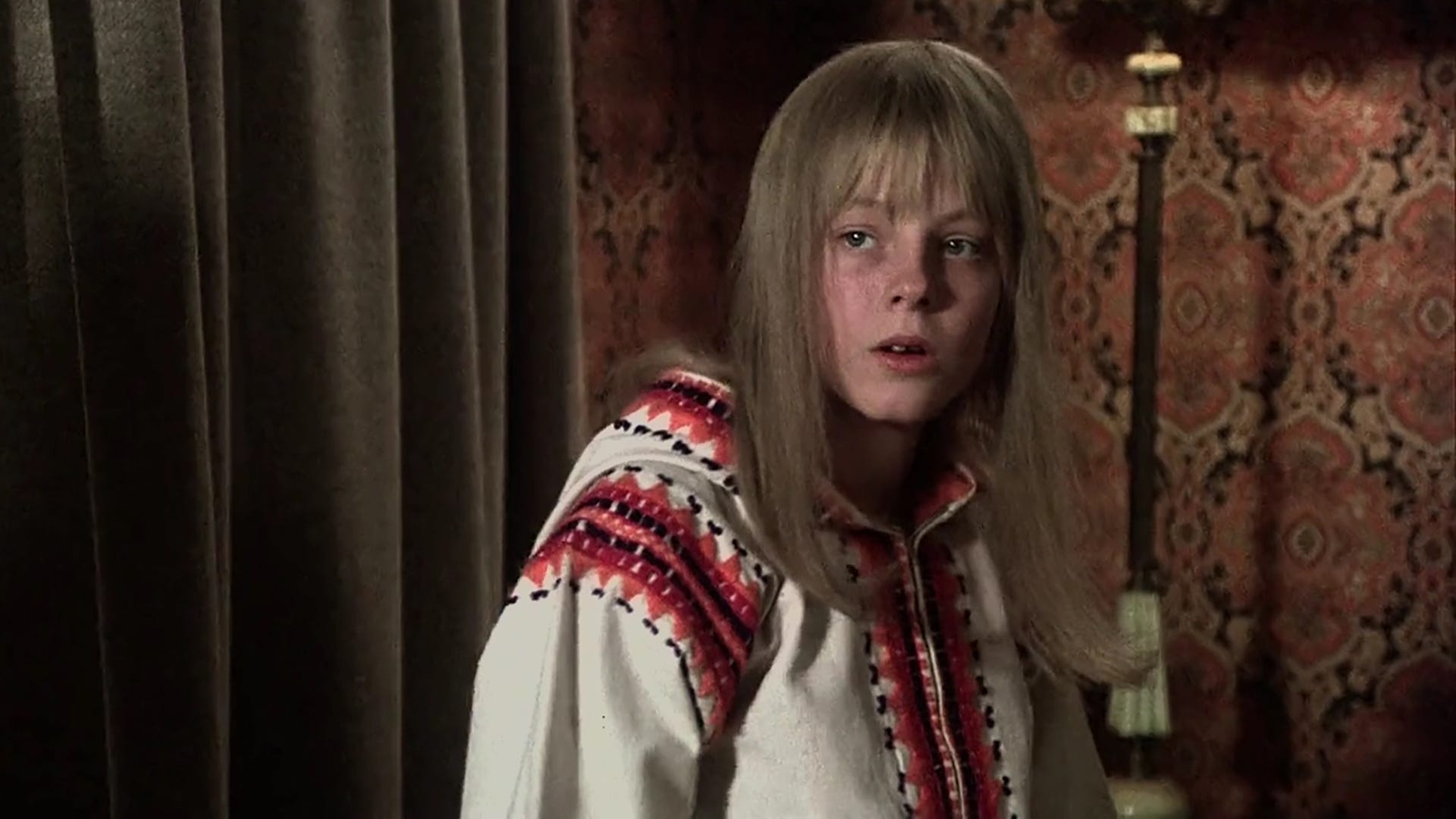
The film’s strength lies in its sense of quiet dread. Gessner keeps the camera still and the cuts minimal, allowing tension to build naturally. The sparse setting, primarily confined to the interior of Rynn’s home, becomes increasingly claustrophobic over time. It’s a minimalist, stage-like approach that suits the material, though it sometimes leaves the pacing sluggish.
Koenig’s screenplay hints at deeper themes, parental absence, predation, and the cost of independence, but only grazes them. The film explores taboo subjects but avoids fully confronting them, which may frustrate viewers seeking narrative resolution or emotional closure.

Still, The Little Girl Who Lives Down the Lane is admirable for its restraint and unique mood. It’s a psychological slow-burn with a strong central performance, modest thrills, and an atmosphere of uneasy silence. The film isn’t perfect; its ambiguity occasionally slides into vagueness, but it remains an intriguing artefact from a time when genre films dared to be quiet, clever, and odd. For fans of subdued suspense, it’s worth a watch, if only to witness Jodie Foster outmanoeuvre adults in a world determined to underestimate her.
 Roses Have Thoughts
Leave a comment