
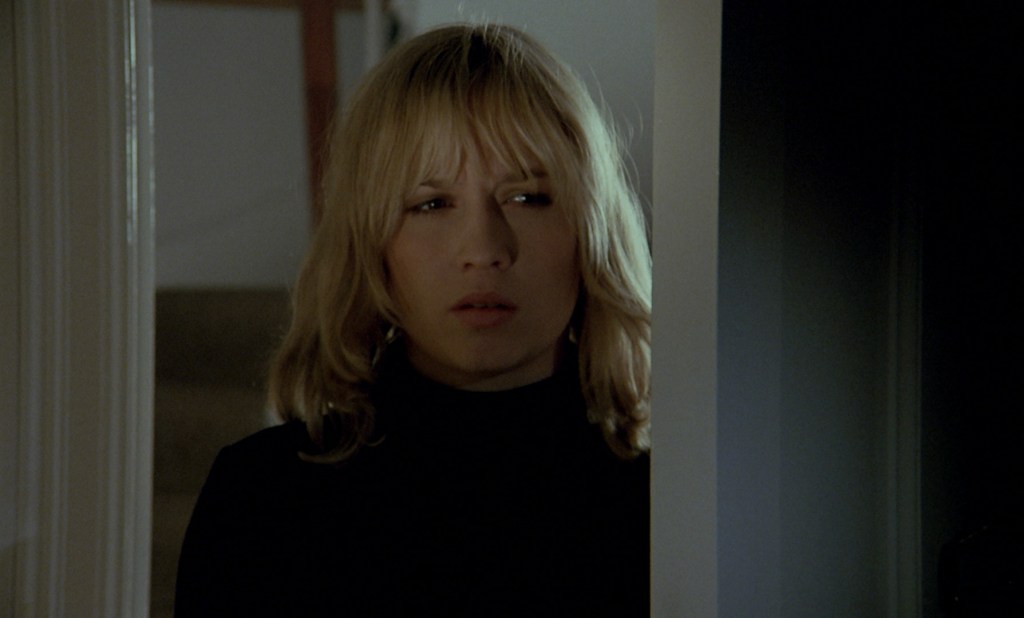

Synopsis- A young woman’s disturbing confession to a sinister priest kicks off a whirlwind of blackmail, murder, and religious fanaticism in this unsettling British horror thriller set in a notably pious parish.
Director- Pete Walker
Cast- Anthony Sharp, Susan Penhaligon, Stephanie Beacham
Released- 1976
Pete Walker’s House of Mortal Sin, also released as The Confessional, is a curious slice of British horror—low-budget, heavy-handed, and deeply unsettling. While never quite transcending its exploitation roots, it nevertheless offers a provocative (if uneven) exploration of religious hypocrisy and repression, anchored by a memorably unhinged performance from Anthony Sharp.
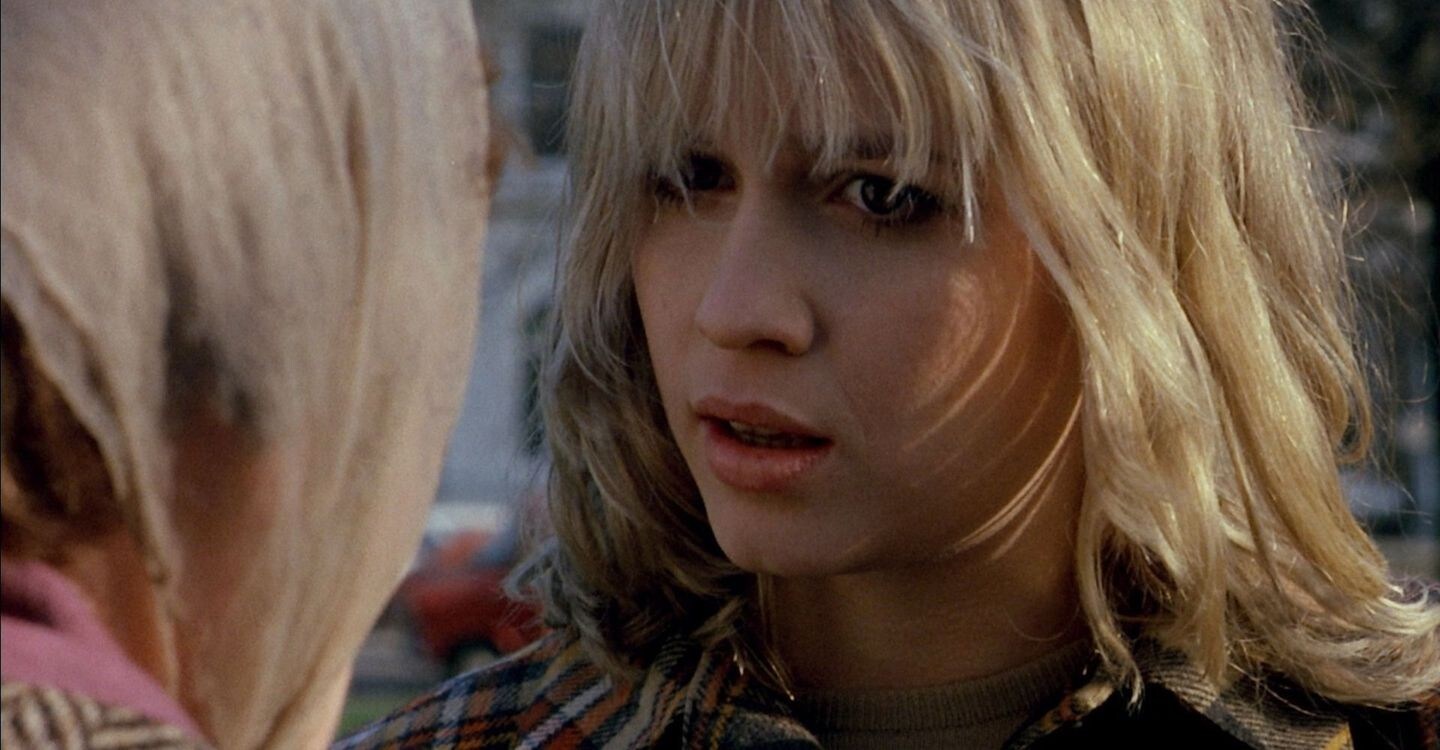
Sharp plays Father Xavier Meldrum, an ageing priest who conceals a monstrous streak beneath his cassock. When young Jenny Welch (Susan Penhaligon) makes an emotionally vulnerable confession, Meldrum seizes the opportunity to manipulate her with recordings, shame, and escalating violence, all under the guise of moral righteousness. Sharp’s performance is the film’s strongest asset—controlled and composed on the surface but seething with menace. He brings an eerie, paternal authority that turns chilling as his so-called moral crusade unfolds.
Penhaligon and Stephanie Beacham provide earnest performances as the embattled sisters caught in the priest’s moral vice grip, though their roles are more reactive than active. Penhaligon especially gives her character a wide-eyed, fraying edge that suits the increasingly surreal tone, but the script offers her little agency beyond suffering and resistance.

Walker, known for his fondness for controversial material, does not approach the subject of religious corruption with subtlety. The tone vacillates between serious social critique and outright pulp. Confessionals become lairs of judgment, religious icons loom ominously, and the film’s morality tale teeters into exploitation—particularly in its depiction of women as both victims and objects of punishment.
Yet there’s an undeniably bleak conviction to the proceedings. Walker and writer David McGillivray seem genuinely interested in exposing the dangers of unchecked clerical power and moral authoritarianism. This thematic spine lends the film a strange, persuasive energy that lifts it above mere genre fare.

Technically, House of Mortal Sin is a mixed bag. The cinematography is competent but rarely inspiring, and the pacing drags in certain scenes. Still, there’s a lingering discomfort to the atmosphere, bolstered by the film’s stark interiors and the stifling presence of religious dogma.
While far from a masterpiece, House of Mortal Sin offers a compelling and creepy morality play for those willing to look past its rough edges. It may not convert sceptics, but it certainly unsettles.
 Roses Have Thoughts
Leave a comment