


Synopsis- Set in 17th-century England, The Bloody Judge unfolds around the infamous Judge Jeffreys, who mercilessly prosecutes those accused of witchcraft. This dark tale interweaves political intrigue and sadistic trials with a young couple’s romance caught in the sinister web of power and superstition.
Director- Jess Franco
Cast- Christopher Lee, Maria Schell, Leo Genn
Genre- Horror | Historical | Drama
Released- 1970
If there’s ever been a film that embodies Jess Franco’s unique talent for merging period drama with lurid melodrama, it’s The Bloody Judge. This film presents a wild cocktail of historical narrative and exploitation, think courtroom drama juxtaposed with surreal, nightmarish imagery, all garnished with a hefty dose of sadomasochism.
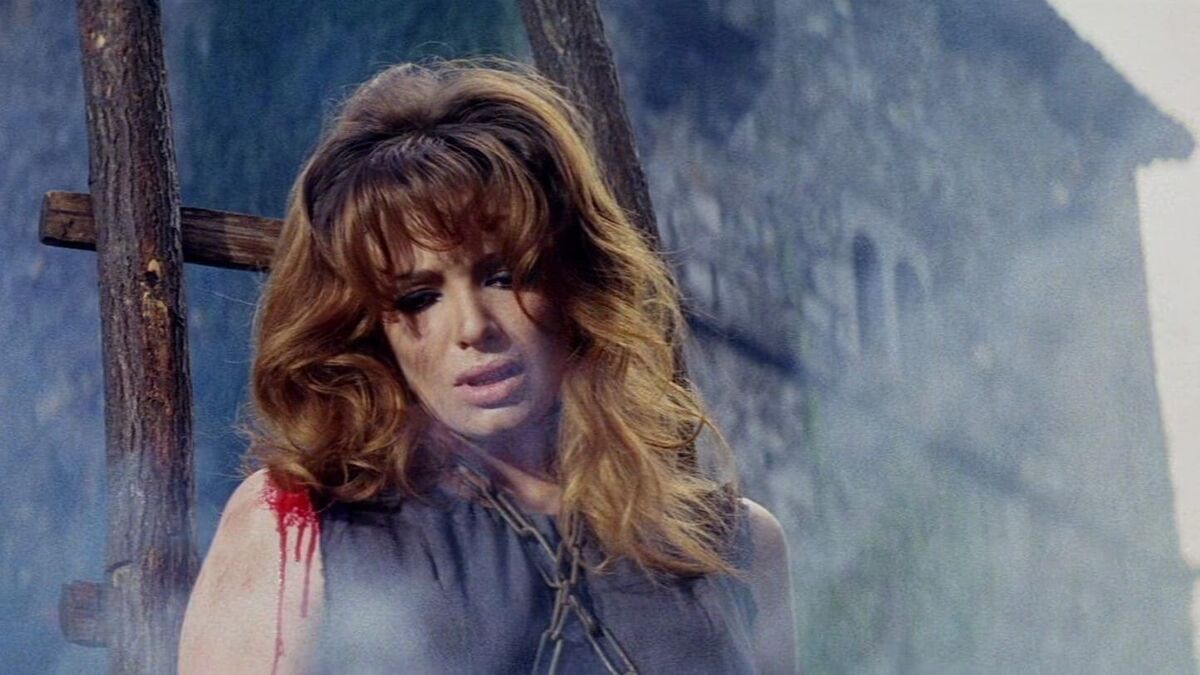
Christopher Lee, in the role of Judge Jeffreys, showcases a mastery of chilling authority. He embodies the notorious “hanging judge” with a blend of austere menace and gravitas, delivering each line with a chilling precision that never tiptoes into caricature. Instead, Lee’s portrayal transforms Jeffreys into a harbinger of twisted justice, delivering brutality in the guise of lawful retribution.
What makes The Bloody Judge so enthralling is its audacious genre-blending. One moment, I’m immersed in meticulously staged courtroom scenes that exude the pomp of a BBC drama, and the next, we’re plunged into scenes of witchcraft rituals and heaving bodices, all accentuated by Franco’s distinctive, lingering camera work. This isn’t the history you read in textbooks; it’s a wild reimagining through a Euro-horror lens, where the truth serves as mere scaffolding for spectacle.
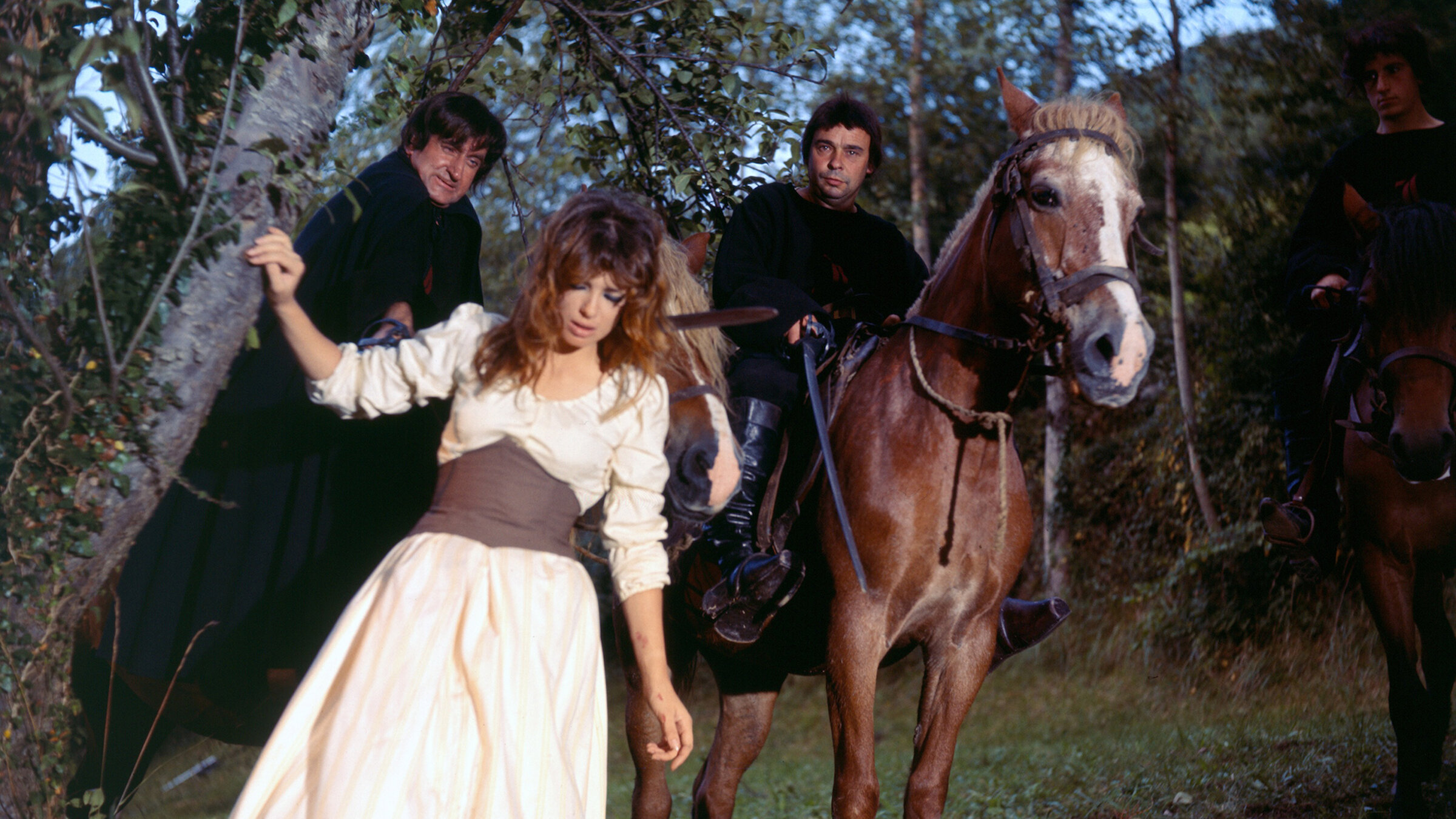
Maria Schell grounds the film as Alicia Gray, deftly navigating her character’s dilemmas of loyalty and survival. Meanwhile, Leo Genn introduces an element of political scheming, adding a layer of sophistication amid the film’s salacious highlights. The supporting cast dives wholeheartedly into the melodrama, whether they’re enduring torture, being burned at the stake, or conspiring in shadowy corners.
Franco’s direction here feels remarkably disciplined, at least by his standards. Though the film is not shy about displaying flesh and punishment, it maintains a surprisingly tight pacing. The production design enhances the narrative, with damp dungeons and candlelit chambers creating an atmosphere rife with dread. Bruno Nicolai’s score, expertly balancing grandeur and unease, wraps the film in an operatic embrace.
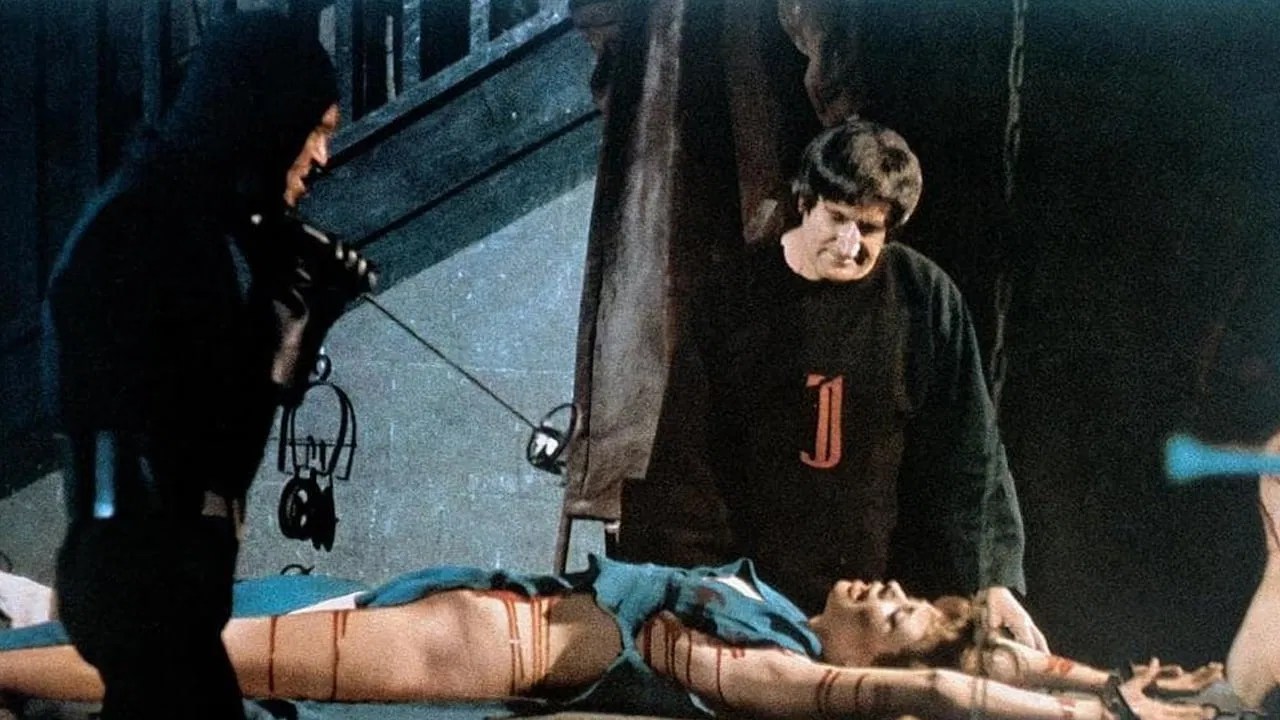
Is it historically accurate? Not in the slightest. But is it a glorious, gory dive into gothic excess, steeped in both style and sensationalism? Absolutely. For enthusiasts of Christopher Lee, Euro-cult cinema, or anyone seeking a courtroom drama with a wicked twist, The Bloody Judge emerges as an unforgettable guilty pleasure, guilty of everything, and all the better for it.
 Roses Have Thoughts
Leave a comment