
Synopsis- A troubled widow with psychic abilities becomes entangled in a murder investigation in a small Georgia town, where secrets simmer beneath polite smiles and swampy heat.
Director- Sam Raimi
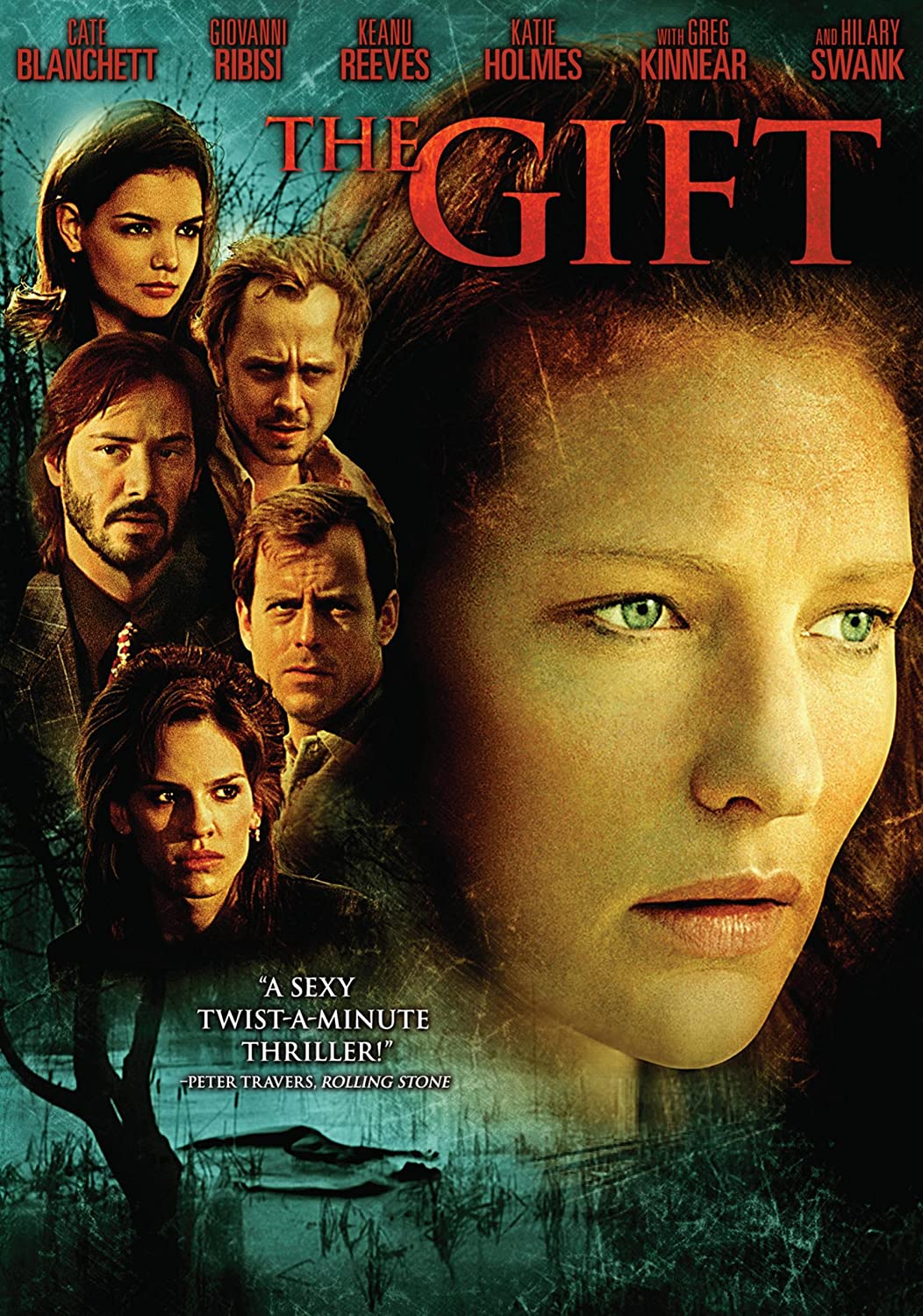
Cast- Cate Blanchett, Keanu Reeves, Giovanni Ribisi, Katie Holmes, Greg Kinnear, Hilary Swank
Released- 2000
What’s truly amazing about mid-budget films from the 00s is their ability to attract such a stacked cast list and still be largely forgotten, Sam Raimi’s The Gift is a perfect example of this. Wearing its Southern Gothic ambitions like a damp shroud, sticky, heavy, and not entirely convincing. Set in a small Georgia community where the air hums with gossip and the supernatural is treated like a community service, the film positions itself as a moody clairvoyant mystery. But despite an impressive cast and Raimi’s occasional stylistic spark, the movie never fully emerges from the murky waters it wades into.
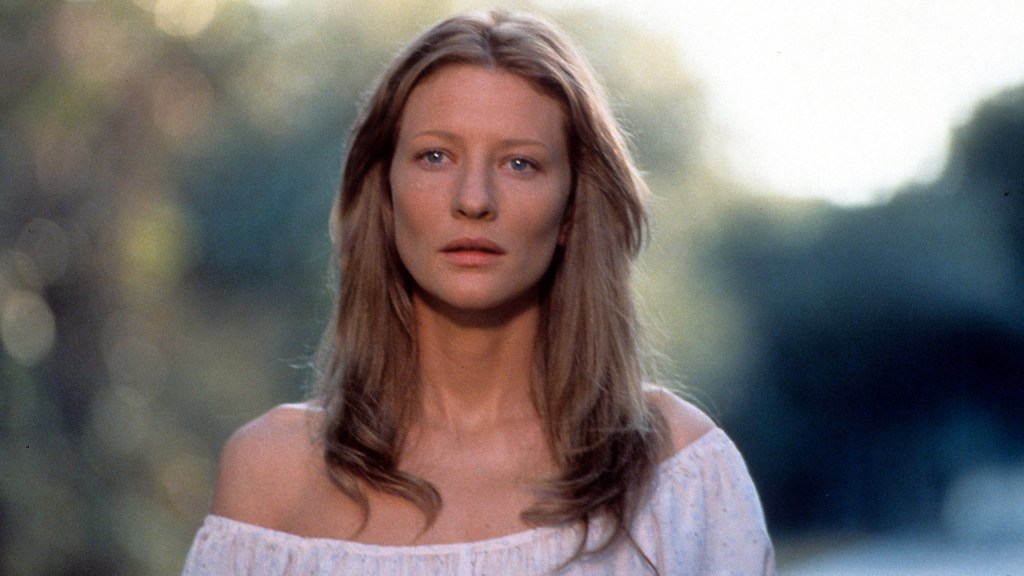
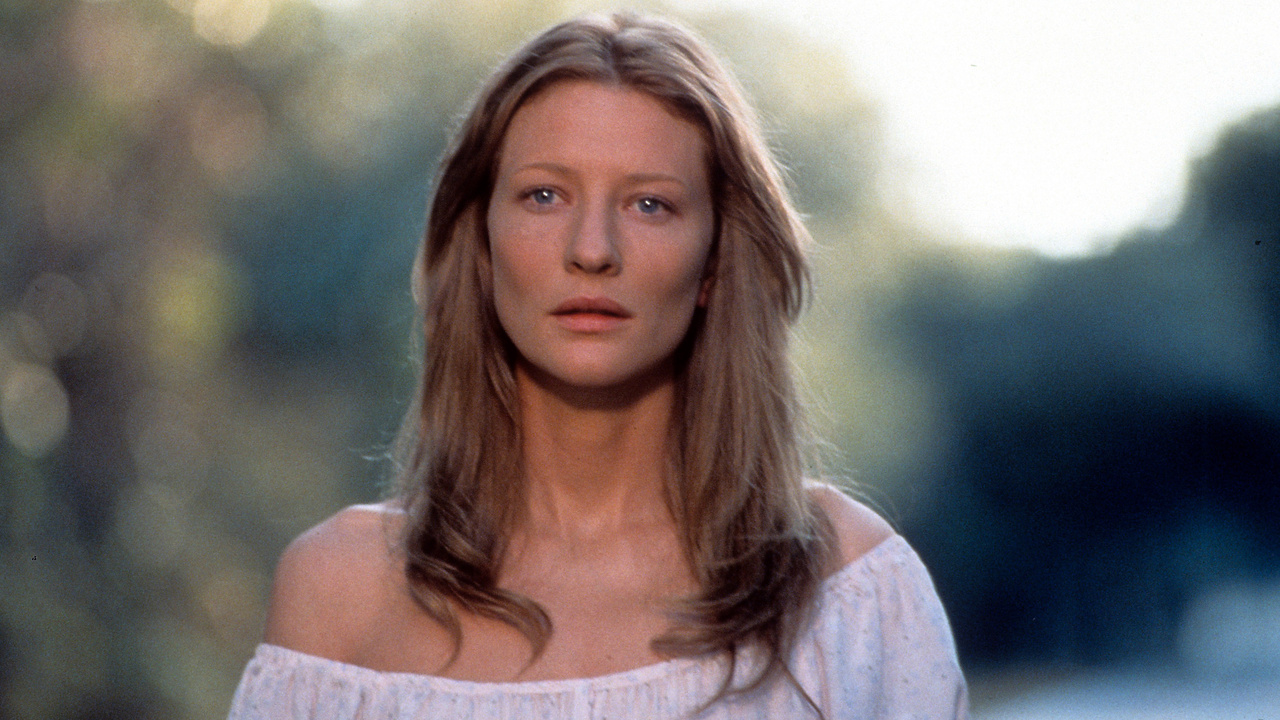
Cate Blanchett, luminous even when flickering in candlelight, plays Annie Wilson, a widowed mother whose psychic visions make her both indispensable and suspect among her neighbours. Blanchett brings a grounded tenderness to a role that could have easily slipped into stereotype; she listens more than she speaks, and when she does, her voice trembles with unspoken loss. Her performance is the film’s heartbeat, though the script, penned by Billy Bob Thornton and Tom Epperson, rarely matches her emotional clarity.
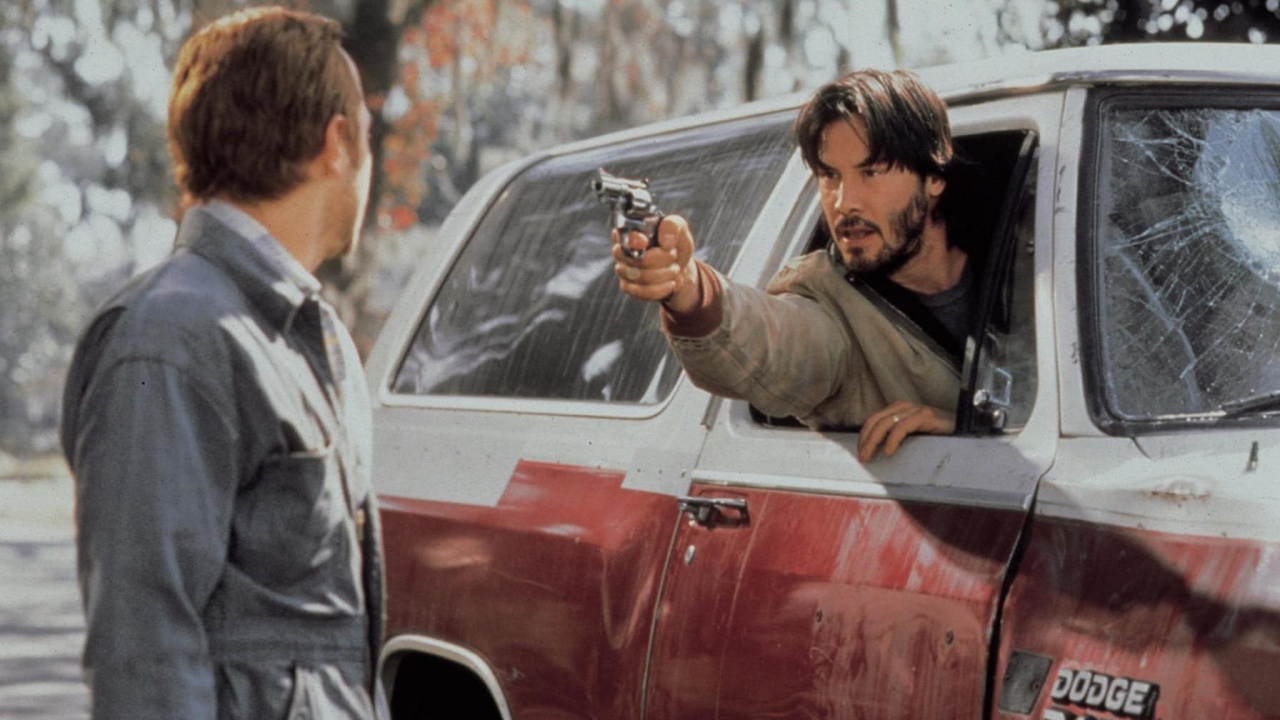
The supporting cast is a mélange of the intriguing and the overstated. Giovanni Ribisi, in deep-suffering mode, veers toward overwrought, though there’s no denying the force of his haunted earnestness. Keanu Reeves, cast strikingly against type as an abusive redneck, throws himself into the menace, but the accent does him no favours. Hilary Swank is surprisingly effective as his battered wife, though the film treats her more as a plot function than a person. Katie Holmes, meanwhile, spends her limited screen time oscillating between coquettish charm and peril.
The murder-mystery spine of The Gift is where things wobble. Raimi, known for kinetic horror and twisted humour, seems unsure whether to lean into pulp or prestige. The result is a film that feels like it’s trying to behave, restrained, serious, atmospheric, yet Raimi’s more mischievous instincts poke through like roots breaking asphalt. A courtroom sequence late in the film is staged with such earnest melodrama that it borders on camp, and the final twist, meant to be a revelation, lands more like a polite shrug.
Visually, The Gift occasionally conjures the right spectral mood: blue-tinted visions, creaking docks, lantern-lit nightmares. Yet the film’s pacing is slack, as if trudging through swamp mud. Raimi’s camera coasts when it should prowl, and the Southern setting, ripe for rot and revelation, feels curiously generic.
Still, there are glimmers of a better film: Blanchett’s quiet ferocity, the moral grime beneath the town’s civility, a few jolts of effective eeriness. The Gift is never unwatchable; it’s simply underwhelming, a séance that raises whispers when it promised screams.
In the end, Raimi’s film offers precisely what its title suggests, a present whose wrapping promises more than what’s inside.
 Roses Have Thoughts
Leave a comment