
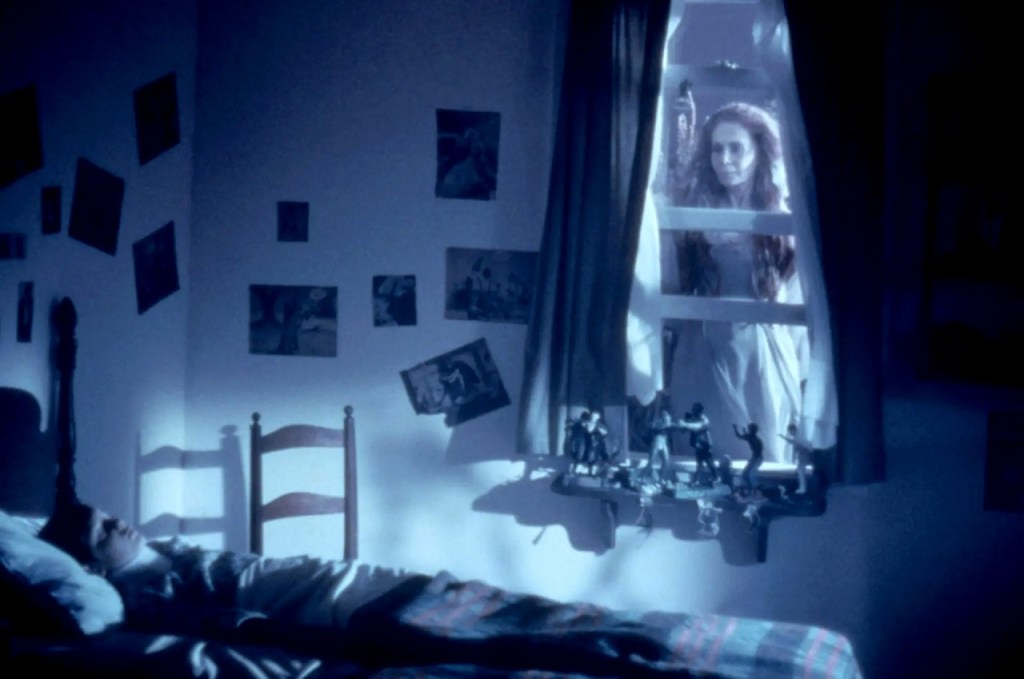

Synopsis– In 1962, a young boy encounters the ghost of a murdered girl while trapped in a school, leading him to uncover dark secrets in his town.
Director– Frank LaLoggia
Cast– Lucas Haas, Lenore Zann, Jason Presson, Kate McNeil, Alex Rocco
Released– 1988
Ah, Lady in White, a film that promises chills but ends up serving more of a lukewarm brew of nostalgia, leaving horror aficionados underwhelmed and confused by the number of slurs and racism in a movie that felt as if it started life aimed at children. Directed by Frank LaLoggia, whose filmography mirrors a strange blend of ambition and uneven execution, this 1988 entry attempts to straddle the line between supernatural thriller and quaint coming-of-age tale. Unfortunately, it navigates that tightrope with all the grace of a toddler on a pogo stick.
At its heart is young Frankie Scarlatti, portrayed with an earnest charm by Lucas Haas. Frankie is a well-meaning schoolboy with the undeniable curiosity of a true protagonist. The film kicks off in genteel fashion, with Frankie trapped in the local schoolhouse where he encounters the spectre of a girl cloaked in white, a potential recipe for terror. The concept itself is rife with potential; there’s a haunting here that begs to be unravelled. But much like the flickering candlelight in one of its pivotal scenes, the atmosphere fails to illuminate as effectively as it could.
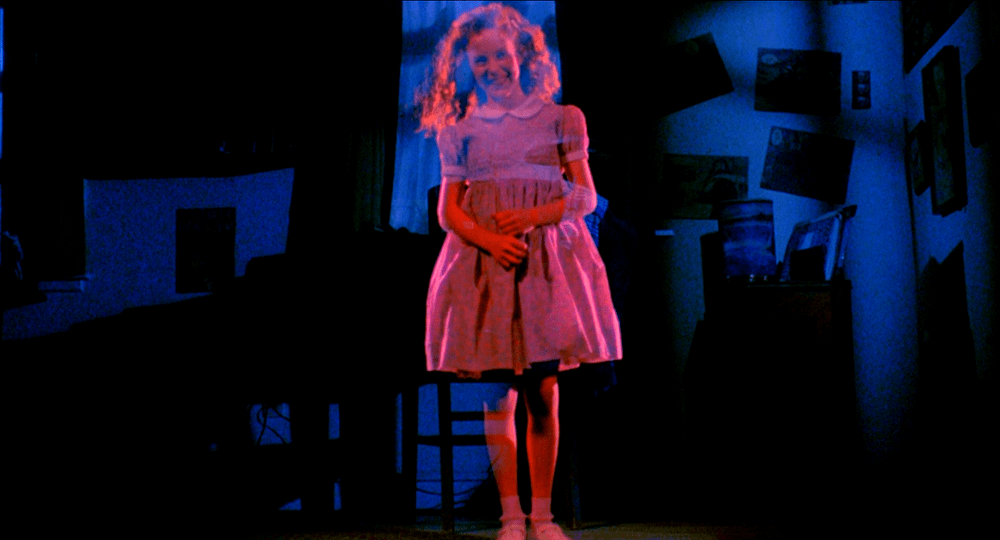
LaLoggia’s foray into horror aims for an unsettling vibe reminiscent of classic ghost stories, but unfortunately, it often comes off as unintentionally whimsical. At times, “Lady in White” becomes mired in its own earnestness, as if the film wishes to remind us of the magic and innocence of childhood while also seeking to terrify us. The tonal inconsistencies weave a narrative fabric that’s more patchwork than seamless. Moments designed to elicit shivers can instead evoke giggles, as characters exhibit exaggerated reactions and a sense of comic relief that feels out of place.
The film’s pacing suffers greatly, a cumbersome juggernaut that lingers longer than necessary on scenes that could be tightened into sharp, compelling storytelling. For instance, the initial ghostly encounters drag on just enough to eliminate their potency, as we’re left waiting for the inevitable “big reveal” that seems to dither just out of reach. The atmospheric charm and the vivid backdrop of the 1960s could have anchored this venture into something compelling; instead, they flounder under the weight of confused intentions.
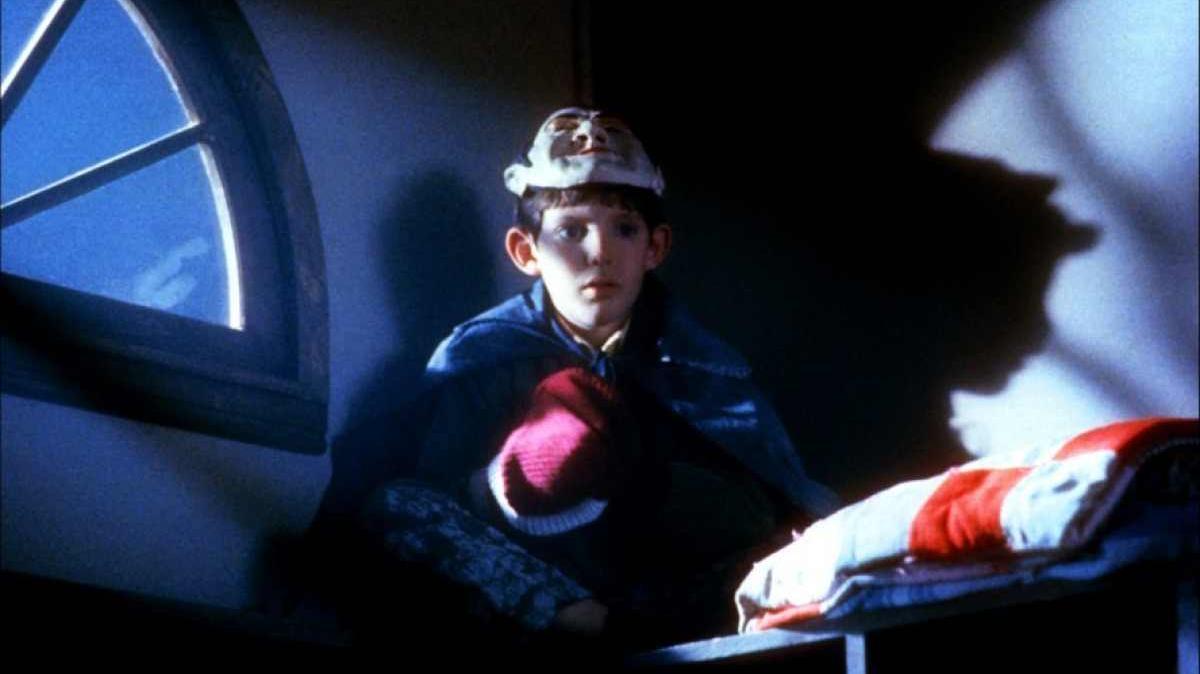
Supporting performances, notably from Kate McNeil and the always-reliable Alex Rocco, add some much-needed spirited dynamics to the plot. However, they’re often relegated to familiar, uninspired tropes and rarely allowed to flesh out their characters meaningfully. The script lacks the depth needed to carve out distinctive roles beyond simply fulfilling archetypes.
Yet, perhaps the most disheartening aspect is that Lady in White at times brushes against genuine craftsmanship, an indicator that a more cohesive narrative could have surfaced with some thoughtful revisions. Cinematic touches, such as the charming visuals and intriguing premise, hint at a thoughtful exploration of grief and loss that never fully materialises.
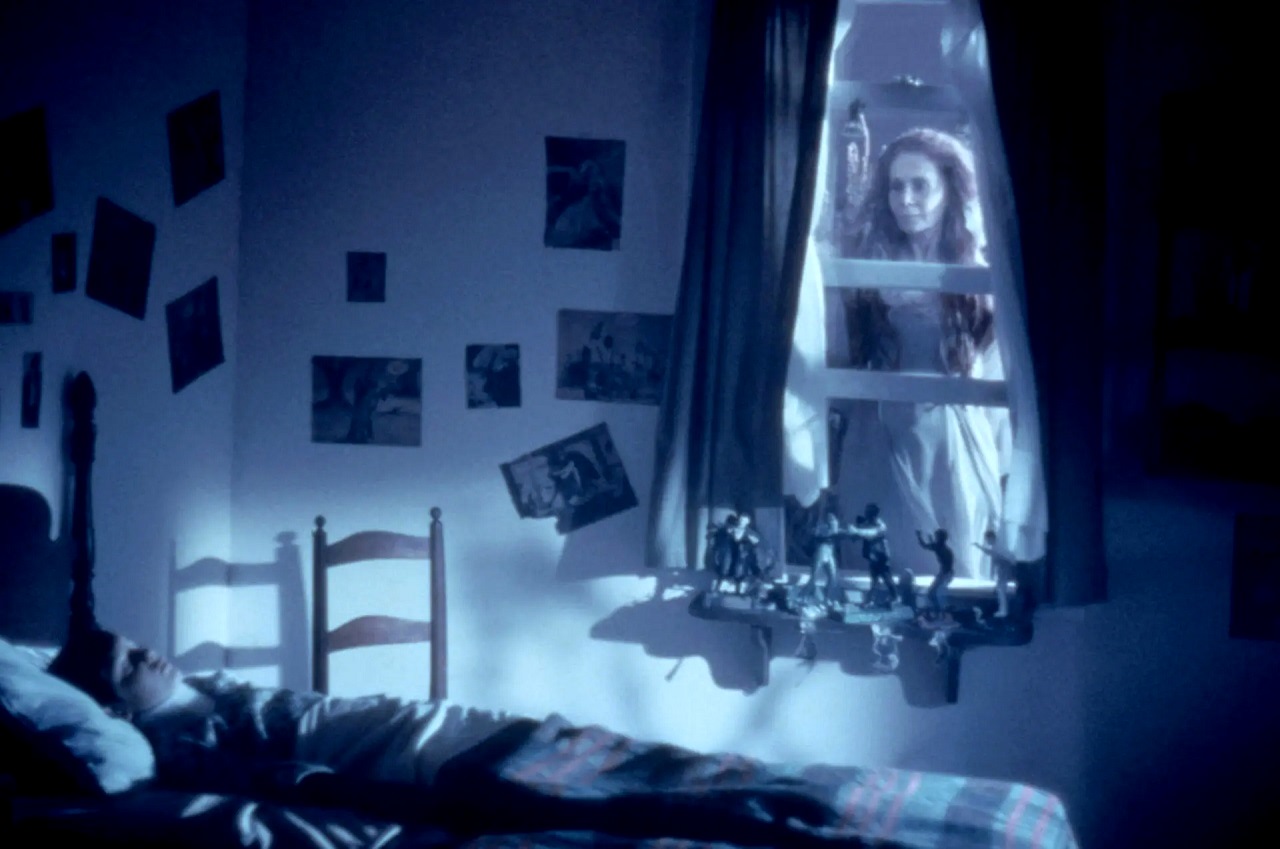
In its present form, Lady in White feels like a missed opportunity, a blend of half-baked chills and half-formed sentiments. It’s a nostalgic relic of late ’80s cinema that may charm a few but fails to leave a lasting mark on the genre. When the credits roll, one is left pondering whether the real ghost haunting this film is indeed its squandered potential. In the end, Lady in White feels less like an effective supernatural horror and more like a gentle reminder of the stories that linger, but disappointingly, not the ones that truly scare.
 Roses Have Thoughts
Leave a comment