
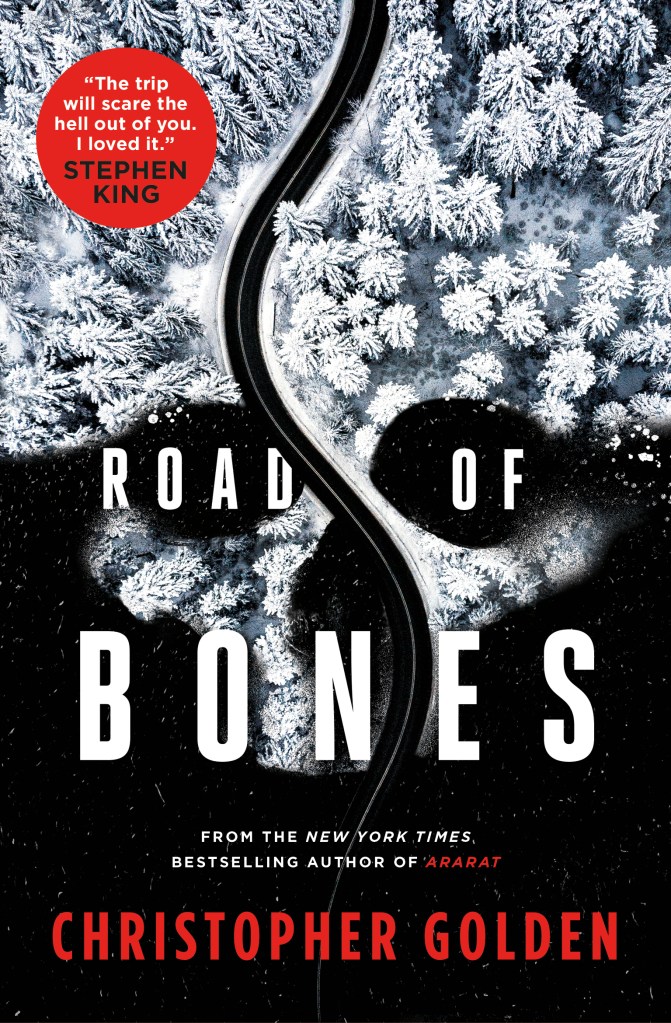
Synopsis- A documentary team travels Siberia’s Kolyma Highway, only to confront vanished villagers, punishing cold, and supernatural forces lurking in the permafrost of one of Earth’s bleakest regions.
Author- Christopher Golden
Genre- Horror, Supernatural Thriller, Survival Fiction
Published- 2022
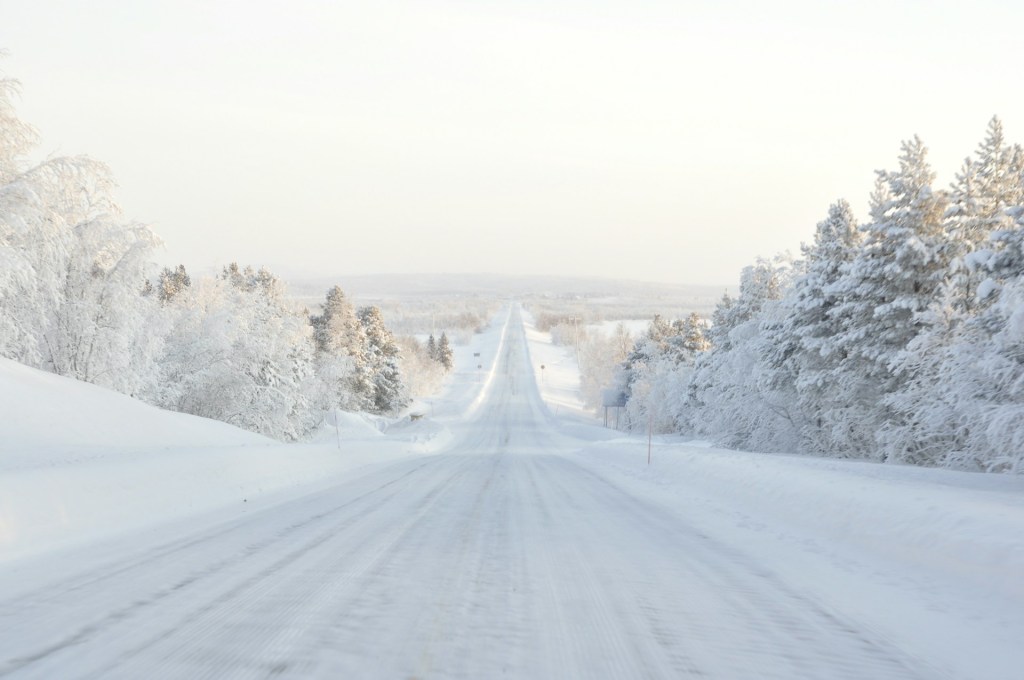
Christopher Golden’s Road of Bones arrives like a gust of Siberian winter itself, sharp, punishing, and strangely exhilarating. Set along the infamous Kolyma Highway, a stretch of permafrost that entombs the bones of Stalin’s prisoners beneath its surface, the novel quickly establishes itself as a confrontation between the living and the dead, the rational and the mythic. Golden isn’t merely telling a ghost story; he is grappling with landscapes, literal, historical, emotional, that cannot and will not be tamed.
The narrative follows Teig, a battered documentary producer whose ambitions have long curdled into desperation. Alongside his friend and cameraman Prentiss, he ventures into this unrelenting wilderness hoping to capture a story that might resurrect his career. What they find is a village inexplicably abandoned, doors left open, vehicles stalled, meals frozen mid-bite. It’s the kind of tableau that evokes all the dread of a fairy tale whispered in a dark room: you know the monsters are coming, but you don’t know their shape.
Golden’s style here is muscular yet atmospheric. He layers his horror not with cheap shocks but with the creeping suggestion that something ancient and patient is moving just beyond the reach of the lens. Like Dargis praising a filmmaker who trusts mood over mayhem, one might admire Golden’s commitment to letting the terrain itself speak. The tundra becomes a character, unyielding, implacable, beautiful in the way a cathedral is beautiful: awe-inspiring, but also a place where you might die.
The supernatural threat, when it arrives in full, feels rooted in something older and more unsettling than mere genre convention. Golden borrows from Indigenous Siberian myth, but he approaches it with restraint rather than exploitation, giving the novel a welcome sense of cultural specificity. The result is a horror story that feels less like an imported nightmare and more like something endemic to its setting, organic, inevitable.
Where the novel falters, it does so in its human conversations, which occasionally default to declarative simplicity. Teig’s guilt, his compulsive need to save everyone in his path, is sketched more than sculpted. Yet even here, Golden’s knack for pacing keeps the narrative from stagnating. The characters may not surprise, but the circumstances certainly do.
What ultimately lingers is not the blood or the terror but the atmosphere, a sublime dread that clings like frost. Golden understands that the most effective horror is not about what leaps from the dark, but what the dark itself implies. Road of Bones is a stark, nerve-pricking meditation on survival, penance, and the unforgiving histories we travel over without understanding what lies beneath.
 Roses Have Thoughts
Leave a comment