
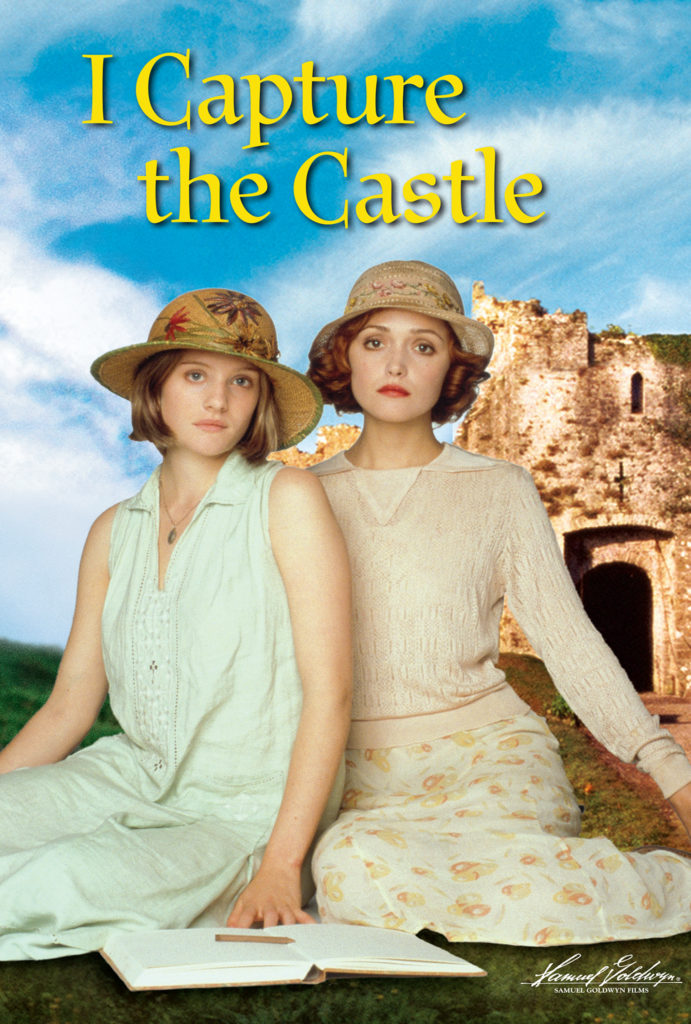
Synopsis – Teen diarist Cassandra Mortmain chronicles love, class, and longing within a crumbling castle, as two American brothers unsettle her eccentric family and her own desires.
Director- Tim Fywell
Cast: Romola Garai, Rose Byrne, Bill Nighy, Tara Fitzgerald, Henry Cavill
Genres: Romance drama, period film
Released: 2003
I Capture the Castle has a distinct English melancholy, gentle and nostalgic, that feels familiar and comforting. Adapted from Dodie Smith’s well-known novel, Tim Fywell’s film starts with a sense of literary respect and mostly lives up to it, even if it sometimes tries to do too much.
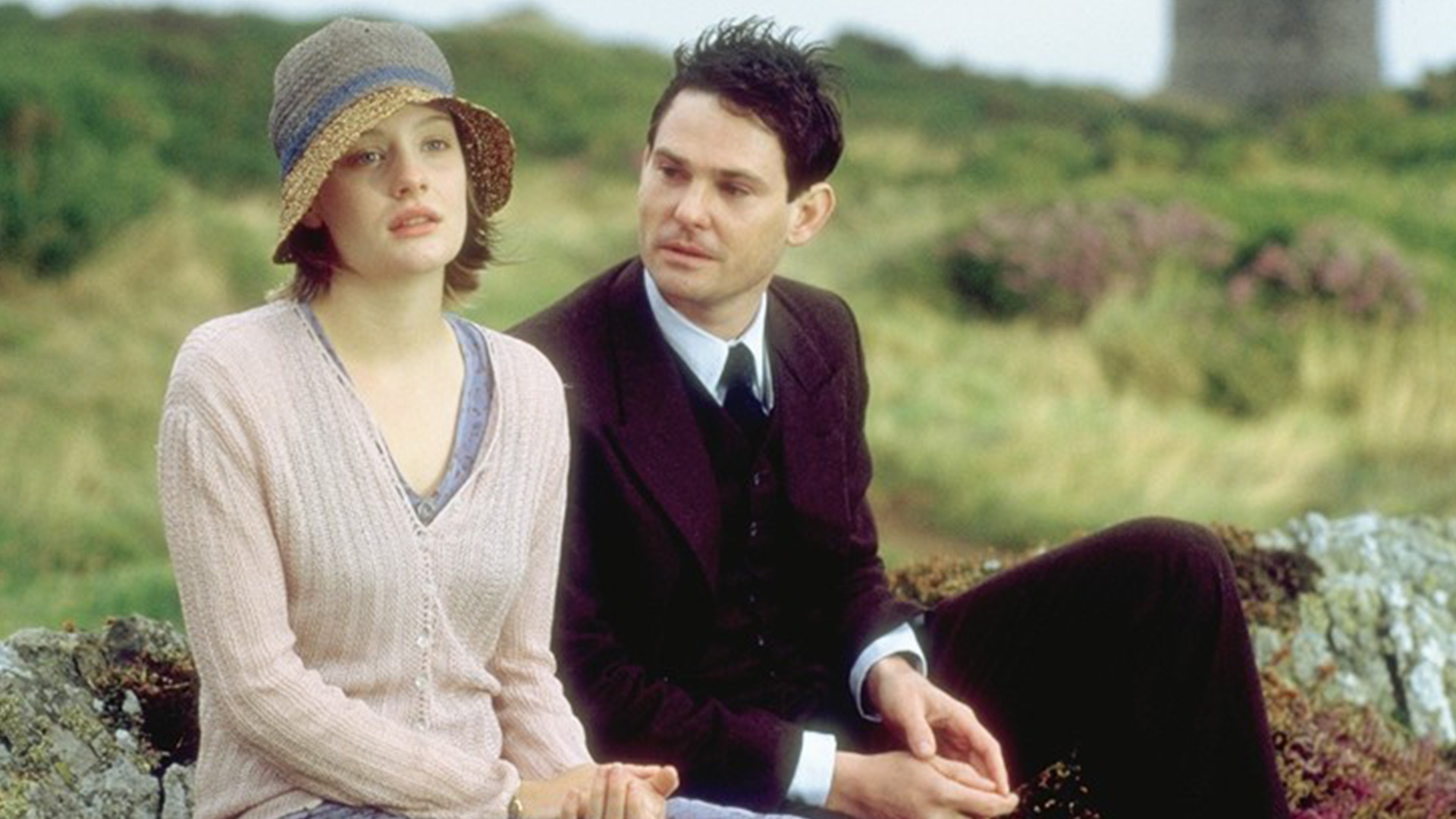
Set in the 1930s, the film follows Cassandra Mortmain (Romola Garai), a perceptive teenager who keeps a diary, knowing these days will become memories. She lives in gentle poverty in a crumbling castle with her sister Rose (Rose Byrne), who is beautiful and impulsive, their imaginative stepmother Topaz (Tara Fitzgerald), and their father James (Bill Nighy), a novelist who hasn’t written since his early success. Two wealthy American brothers, Simon and Neil Cotton, arrive and bring money, romance, and new choices that unsettle the family.
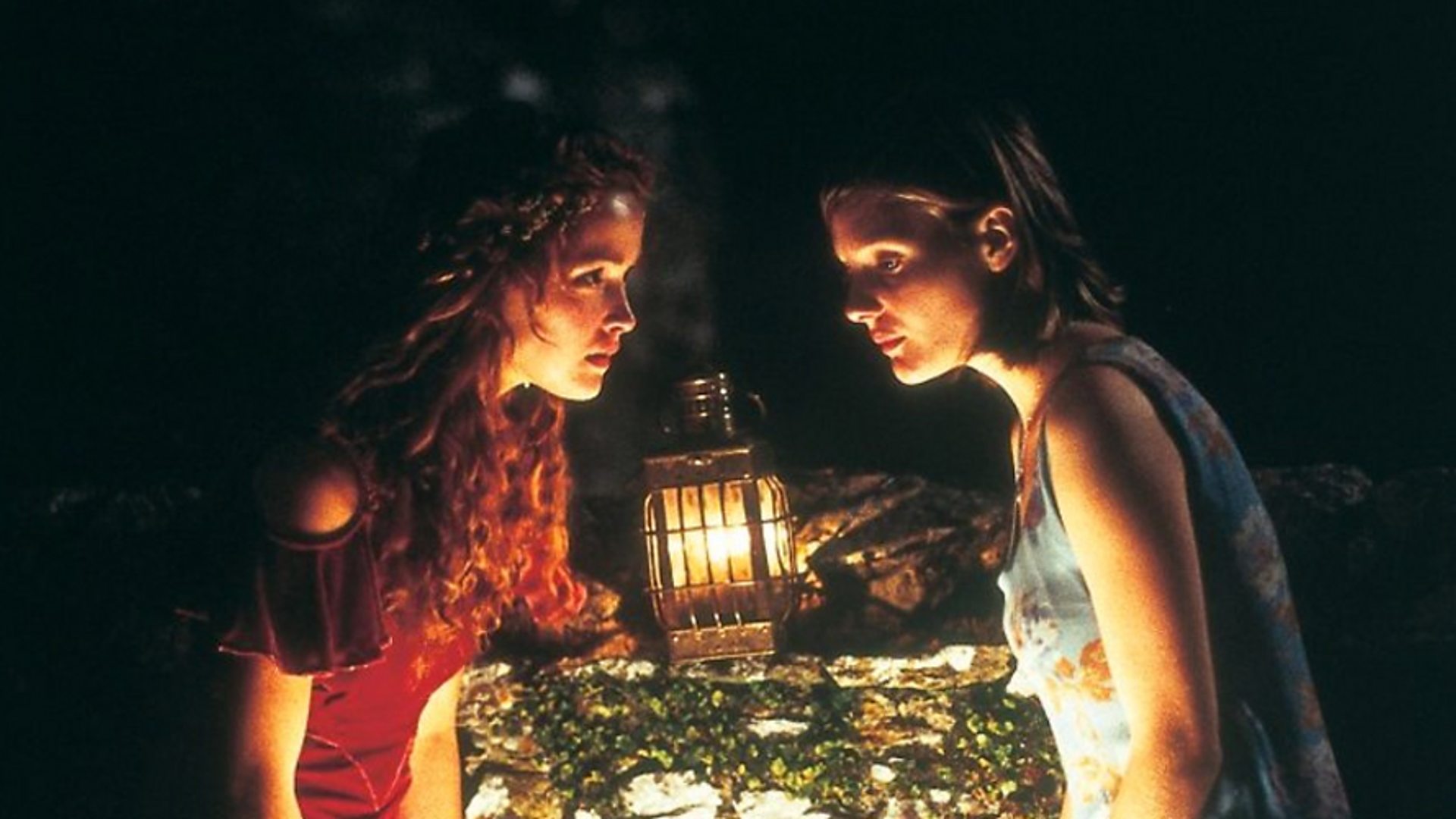
Garai carries the film with a performance of quiet authority. Her Cassandra is observant without being arch, romantic without succumbing to fantasy, a young woman learning that desire is rarely tidy and often poorly timed. Byrne provides a pleasing counterpoint, her Rose all sharp angles and survival instincts, determined to marry her way out of poverty. Their sisterly dynamic, loving, competitive, broodingly honest, gives the film its emotional backbone.
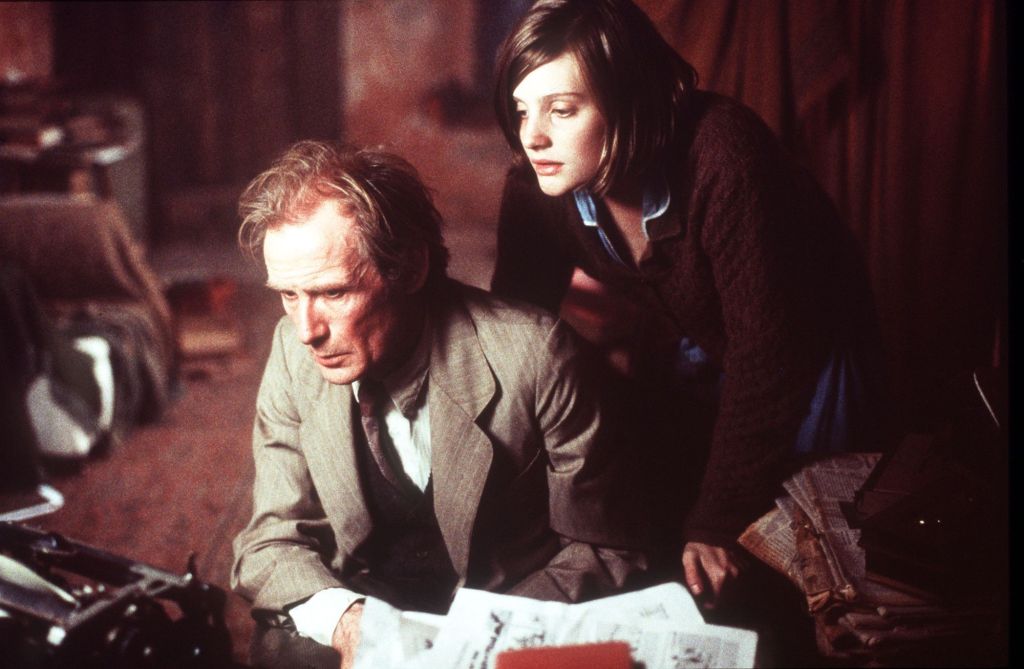
Bill Nighy, in a role that could easily curdle into whimsy, grounds the film with a weary sadness. His James is less eccentric patriarch than cautionary tale, a man paralysed by his one past success. Henry Cavill, as Simon, radiates an early, unpolished charm, while the Americans’ presence subtly disrupts the film’s English languor, injecting a note of modern pragmatism.
Fywell directs with a light, literary touch. The camera lingers on sunlit stone, ink-stained fingers, and faces caught mid-thought. Yet for all its visual grace, the film occasionally feels too polite, smoothing over the sharper social critiques embedded in Smith’s novel. Class anxiety simmers rather than boils; heartbreak is felt, but rarely devastates.
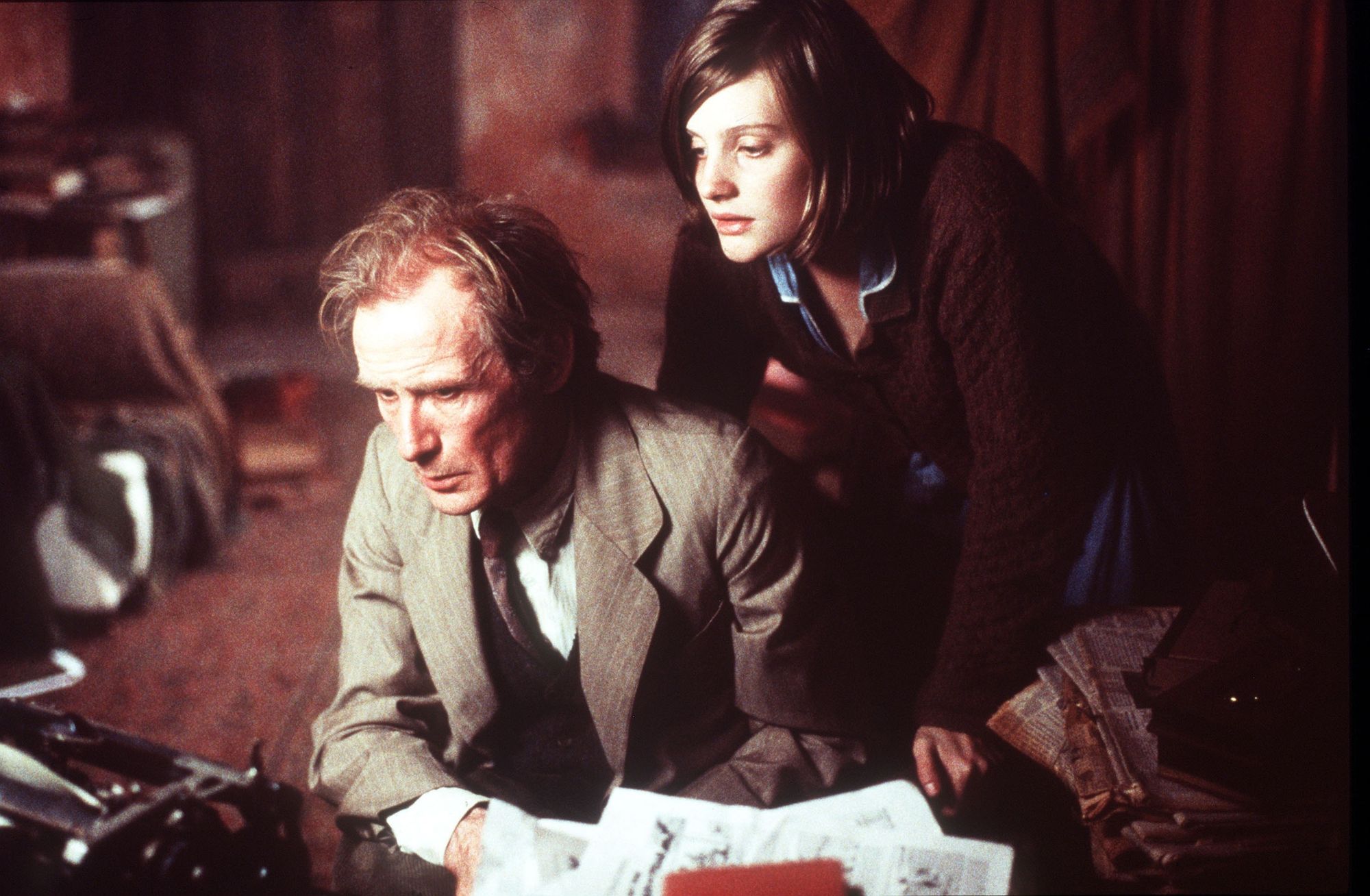
In the end, I Capture the Castle works well as a gentle look at youth, creativity, and the hard lessons of loving someone at the wrong time. The film shows that growing up is more about small, lasting changes than big moments. Like Cassandra’s diary, it catches something brief and then moves on. Perfect for those that don’t need a resolution with everything tied up with a bow.
 Roses Have Thoughts
Leave a comment