
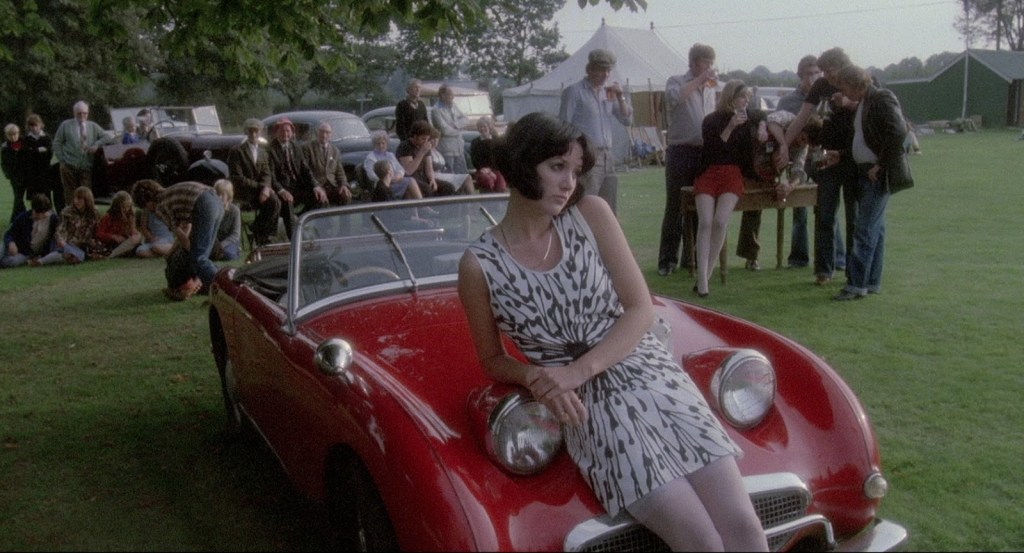
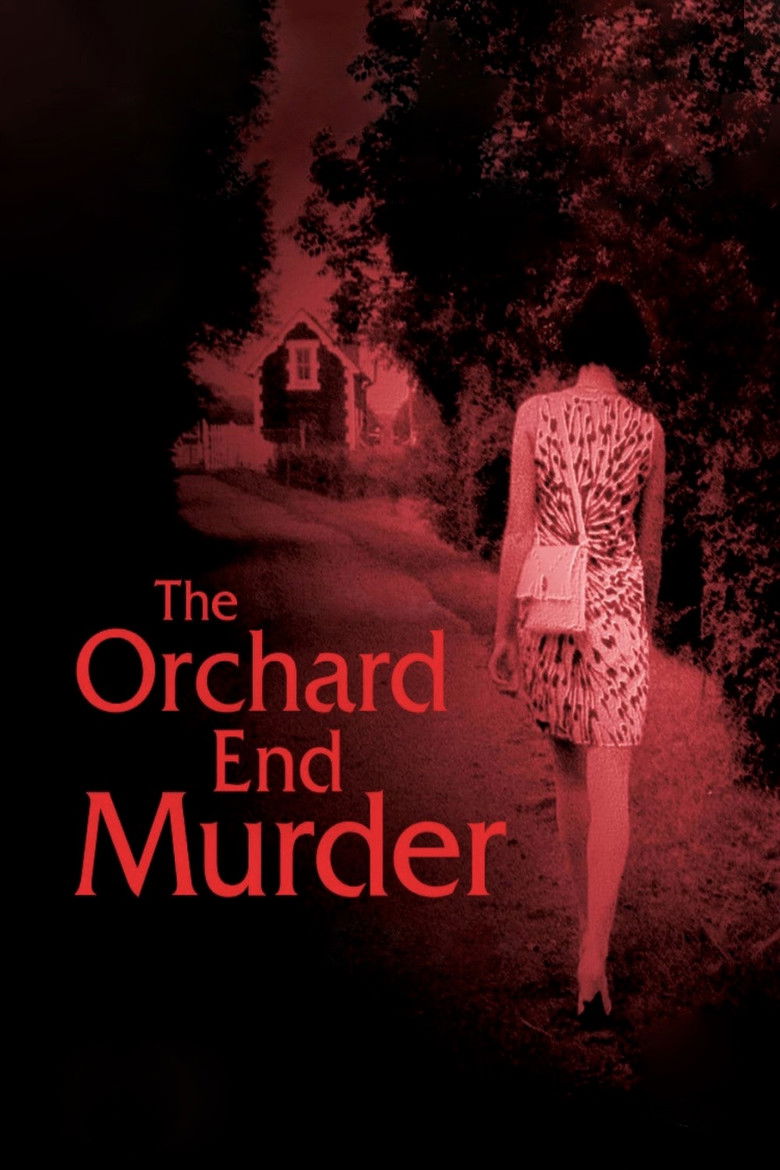
Synopsis- Bored of watching her partner play cricket, young Pauline strays into the Kent countryside, where an uneasy welcome from a quirky stationmaster and his hulking assistant leads to brutal murder and eerie cover-up.
Director: Christian Marnham
Cast: Tracy Hyde, Clive Mantle, Bill Wallis, Raymond Adamson (plus uncredited Rik Mayall)
Genres: Drama, Thriller, Psychological Crime
Released: 1981
Christian Marnham’s The Orchard End Murder is reminiscent of the traditional British Ghost Story for Christmas. It occupies a unique corner of British cinema. It combines peaceful countryside scenes with much darker themes. Running just 48 to 50 minutes, this is technically a short, first shown as a supporting film on double bills. It started as a modest project, but at times it aims for something more haunting than its short length suggests.
The film begins on a classic English summer day in 1966. There is village cricket and steam trains. You can also see the sunny beauty of Kent orchards. Marnham wrote and directed the film. He works with Peter Jessop’s cinematography to show these scenes with a gentle, postcard-like look. This peaceful setting draws you in before anything unsettling happens, and it does.
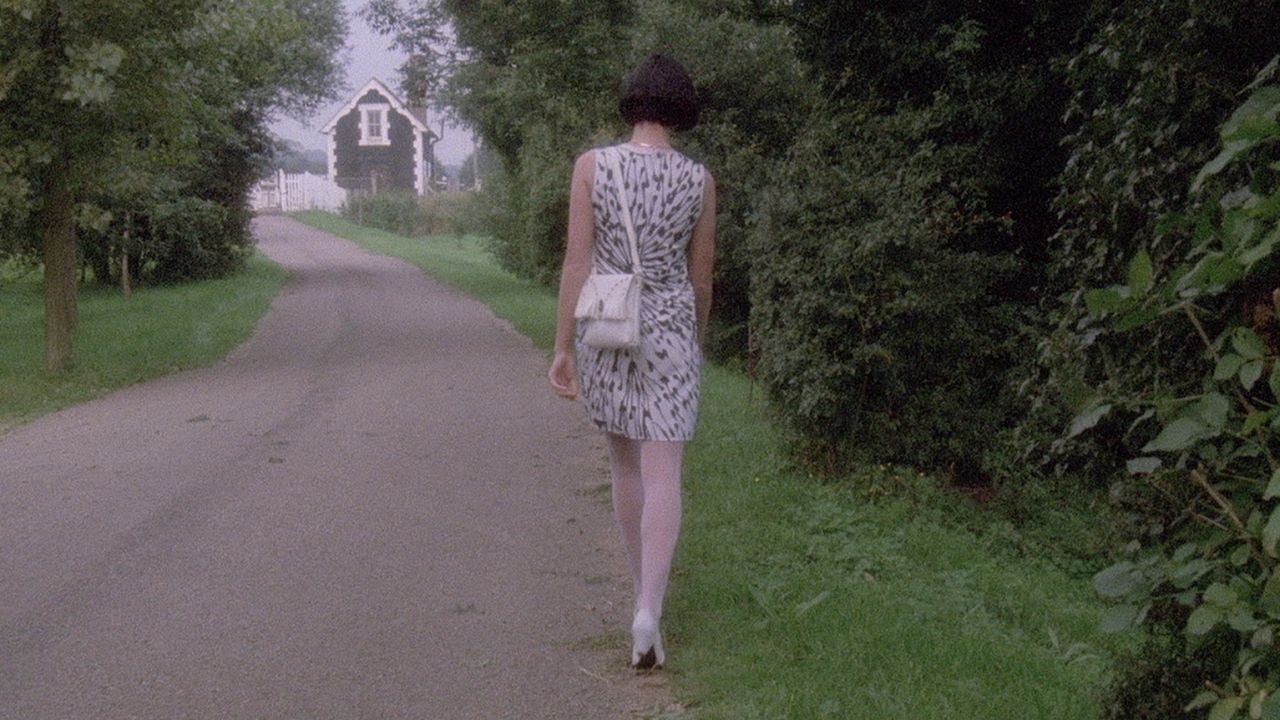
Tracy Hyde plays Pauline, who sets the story on its darker path. Pauline grows bored while watching her boyfriend play cricket. She decides to find something more interesting. She ends up at a quiet rural train stop. There, she meets Bill Wallis as the mysterious stationmaster and Clive Mantle as Ewen, his simple-minded assistant. Their odd behavior makes it hard to discern if they are quirky or dangerous. Marnham builds this tension as the opening scenes shift from casual talk to more threatening exchanges.
The story’s turning point comes when Pauline confronts Ewen in the orchard, and the result is sudden and shocking. The film does not hide the violence that breaks the peaceful setting. Instead, it puts the violence front and centre with a serious tone. These scenes stand out for their direct look at brutality. This makes them hard to watch. They raise tough moral questions for today’s viewers.
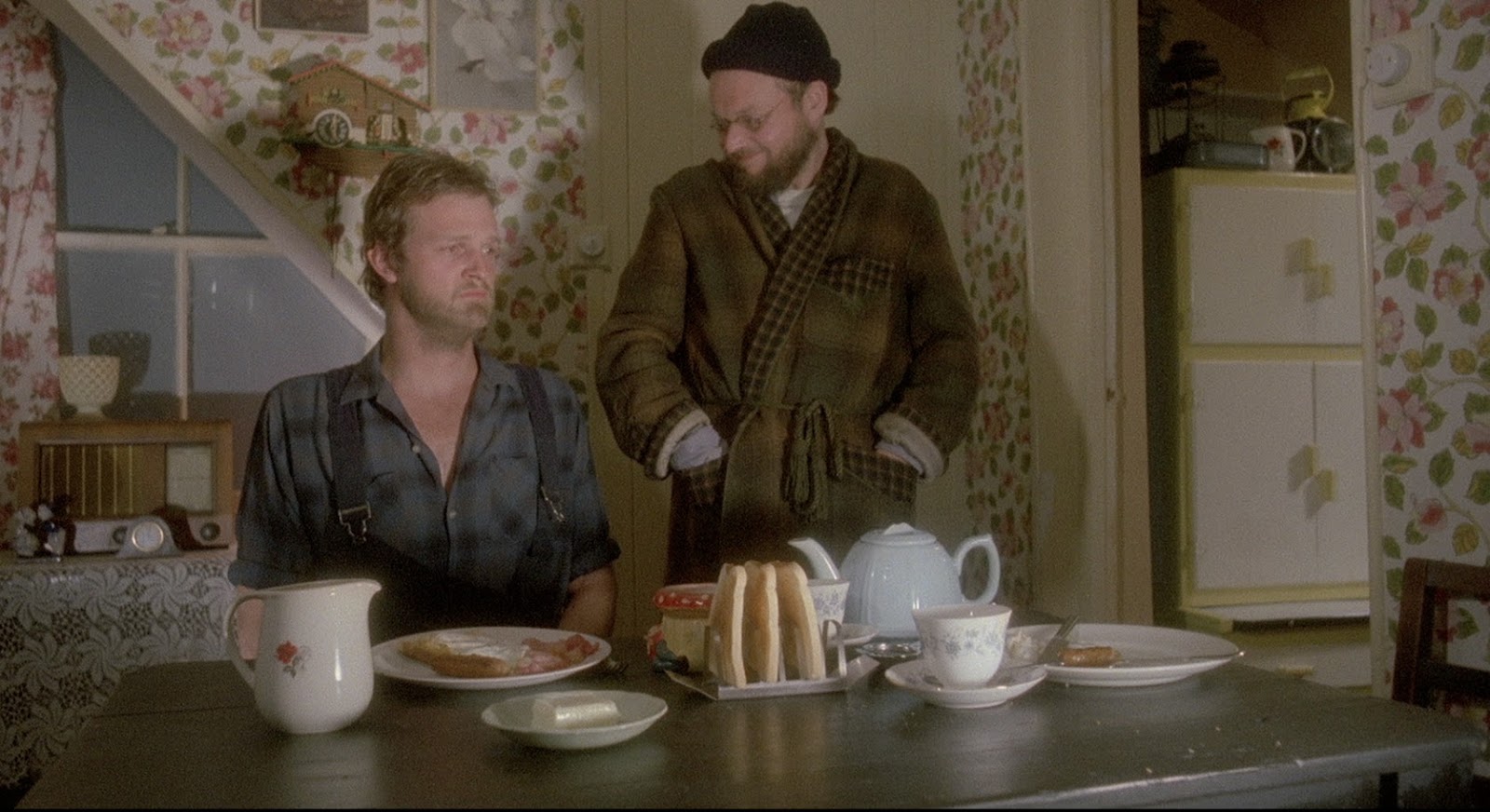
After the murder, Marnham turns to the uneasy ways the characters try to hide what happened and deny the truth. The stationmaster’s relaxed involvement, along with Mantle’s rough performance as Ewen, brings in a dark humour that clashes with the seriousness of the crime. This mix of tones is intentional, showing how polite rural life can hide darker sides. Still, it sometimes breaks the story’s flow, making the film shift between grim curiosity and emotional distance.
The Orchard End Murder is notable for its strong contrast. It highlights the difference between how things look and what lies beneath. The film’s scenes of apple orchards, village greens, and soft radio music create a sense of nostalgia. This is quickly broken by violence. A dark humour emerges that you wouldn’t expect from a film of this nature. The film almost feels like a fable. It suggests that under the neat traditions of the English countryside, something much wilder is hidden.
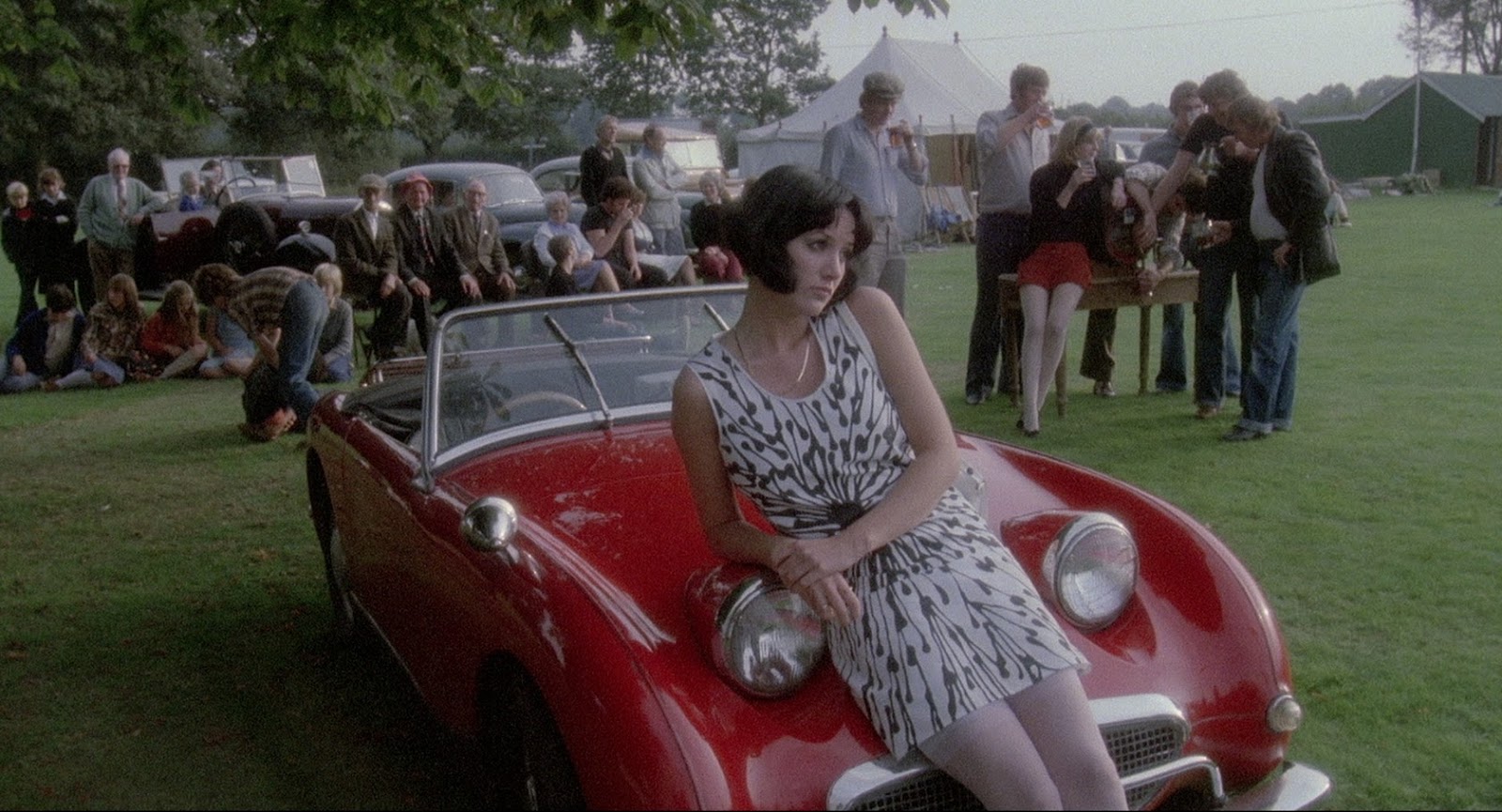
Yet, the film does not fully reach its goals. The pacing is uneven, and the story, especially toward the end, feels forced and ends without little excitement. Some scenes are hard to believe. The characters are not developed enough due to the runtime. This makes the murder feel truly unemotional. Both Wallis and Mantle do their best, but the script limits them to playing odd or physical roles.
Still, the film has a special appeal for fans of British cult movies and psychological thrillers. The mood, helped by Sam Sklair’s unusual music and Jessop’s careful camera work, is more memorable than the story itself. In this way, the film is more about atmosphere than plot. It will please viewers who like unusual storytelling instead of classic suspense.
Overall, This film is an interesting and unsettling British thriller that mixes rural charm with disturbing violence. It stands out more for its mood than for its story.
 Roses Have Thoughts
Leave a comment