
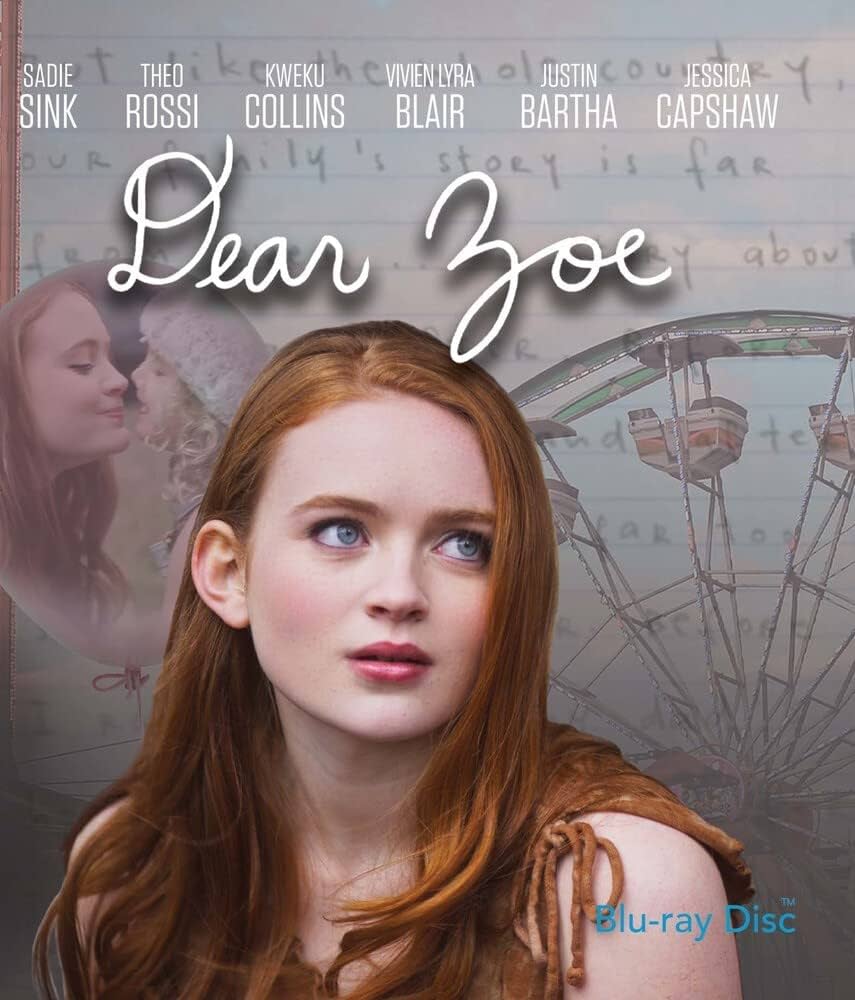
Synopsis- After a tragic accident kills her younger sister, a withdrawn teenager navigates grief. She deals with fractured family bonds and makes unexpected connections. She struggles to make sense of loss and forgiveness.
Director- Gren Wells
Cast- Sadie Sink, Theo Rossi, Justin Bartha
Genre- Drama, Coming-of-Age
Released- 2022
Dear Zoe is one of those films that approaches grief with the gentlest possible touch. The touch is so gentle, in fact, that it often feels like it’s afraid to press too hard. Directed by Gren Wells, the film is adapted from Philip Beard’s novel. It positions itself as an intimate coming-of-age drama about loss. Nevertheless, its insistence on softness and reassurance prevents it from fully confronting the emotional devastation at its core.
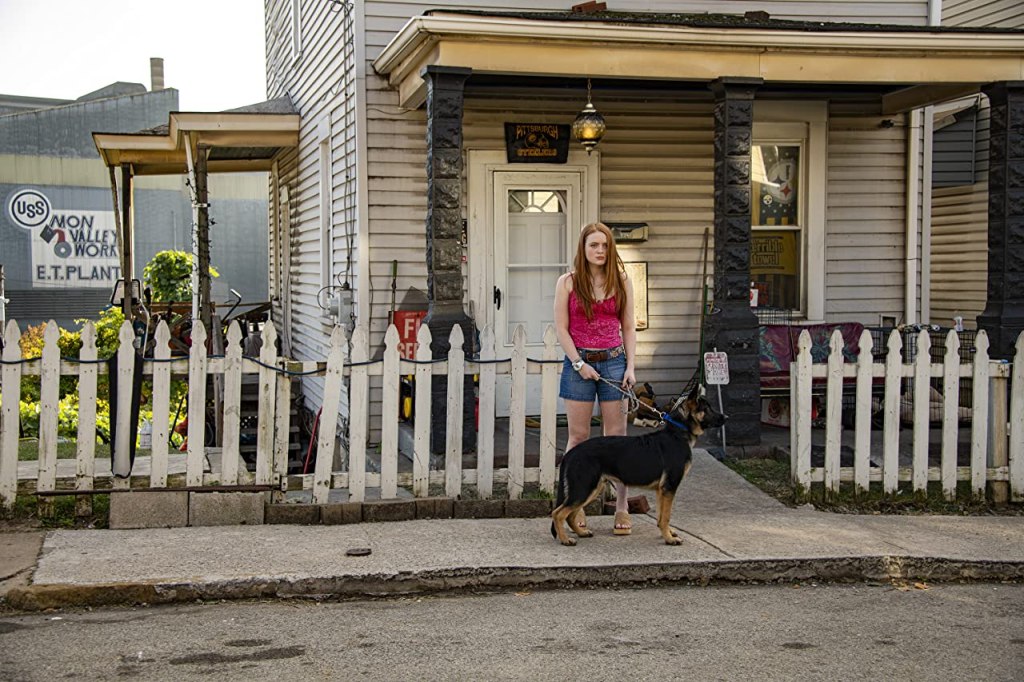
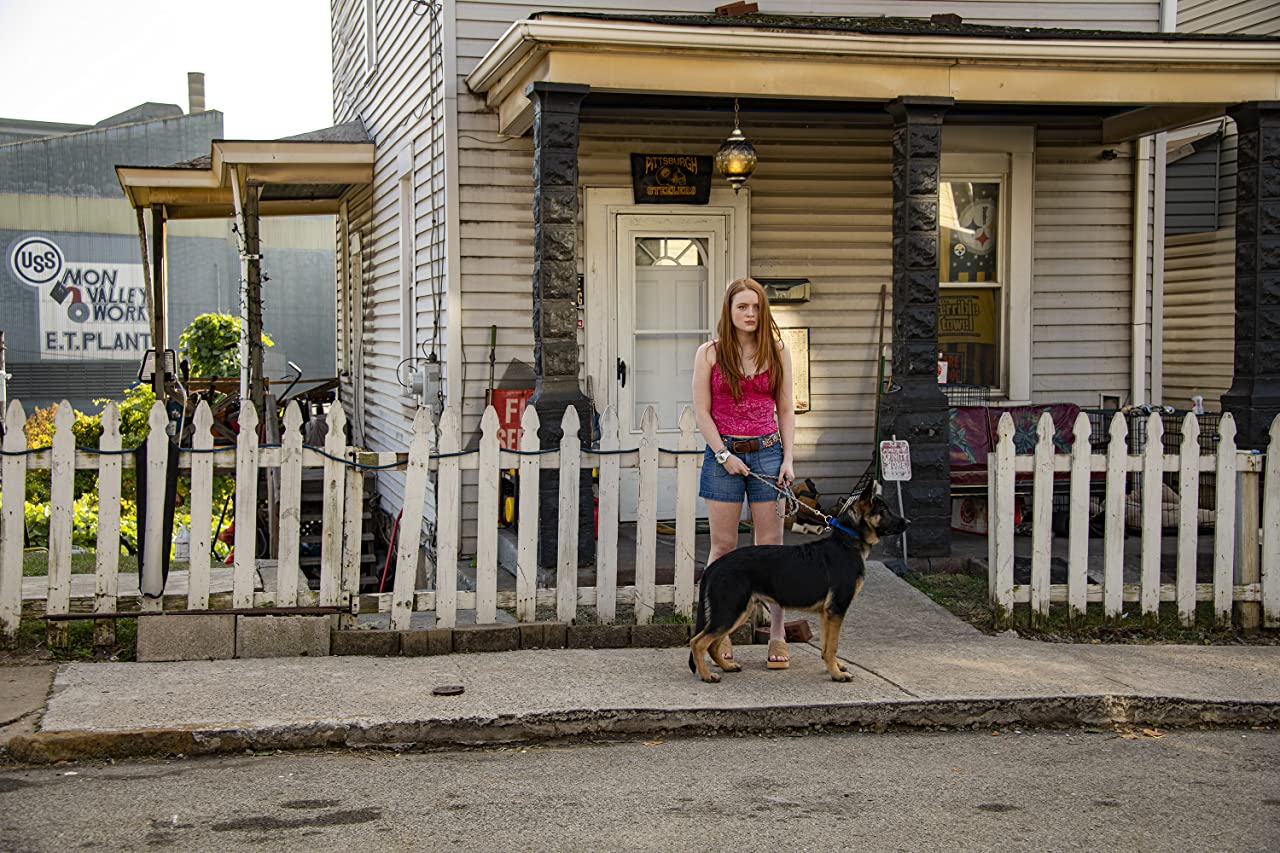
Sadie Sink stars as Tess DeNunzio. She is a teenager whose life is cleaved in two by the sudden death of her younger sister. Her sister died in a hit-and-run accident. Sink is already well-versed in portraying adolescent anguish. She brings a raw physicality to the role. Her portrayal includes slumped shoulders, vacant stares, and the brittle defensiveness of someone holding themselves together by habit alone. She’s the film’s strongest asset, grounding the story even when it drifts toward sentimentality.
Michael Atkinson describes Dear Zoe as grief cinema with rounded edges. It is a film that wants to be profound. It is also deeply comforting. The emotional beats of the film arrive predictably. They are cushioned by warm lighting and indie-folk needle drops. The script often opts for earnestness over ambiguity. Grief here is not jagged or destabilizing. It is manageable. It can be processed through journal entries, meaningful glances, and carefully staged moments of catharsis.
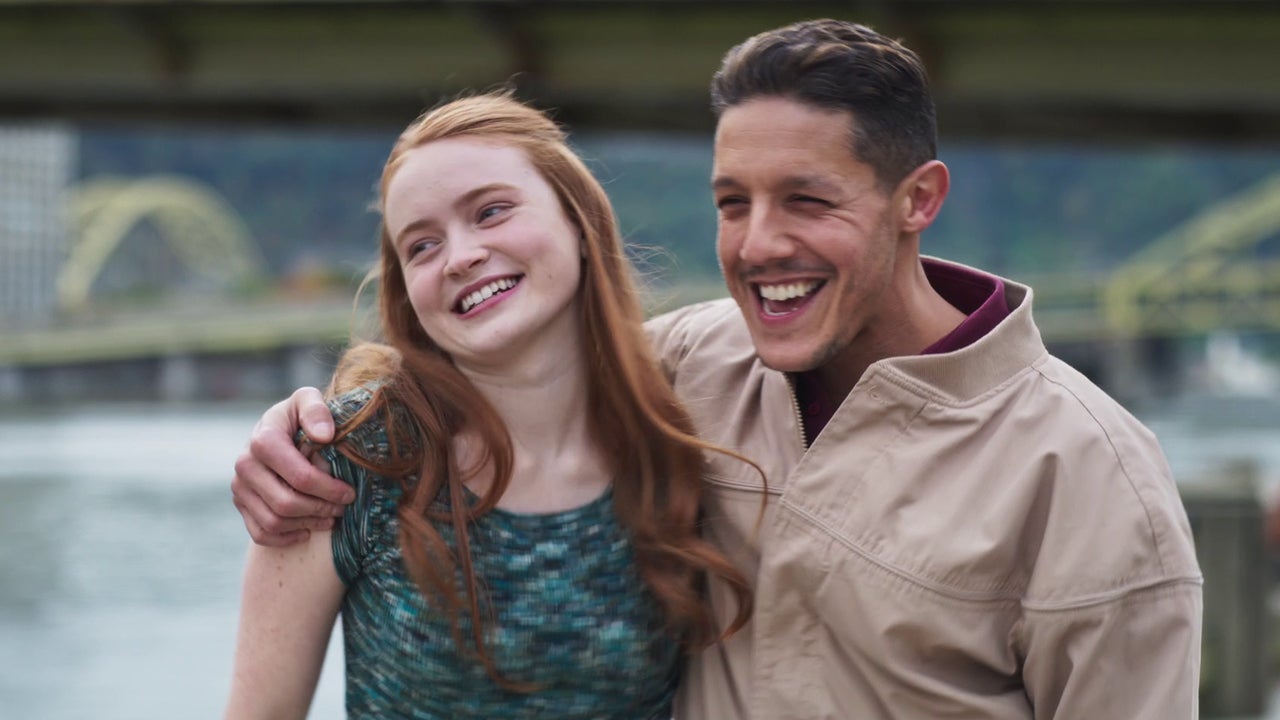
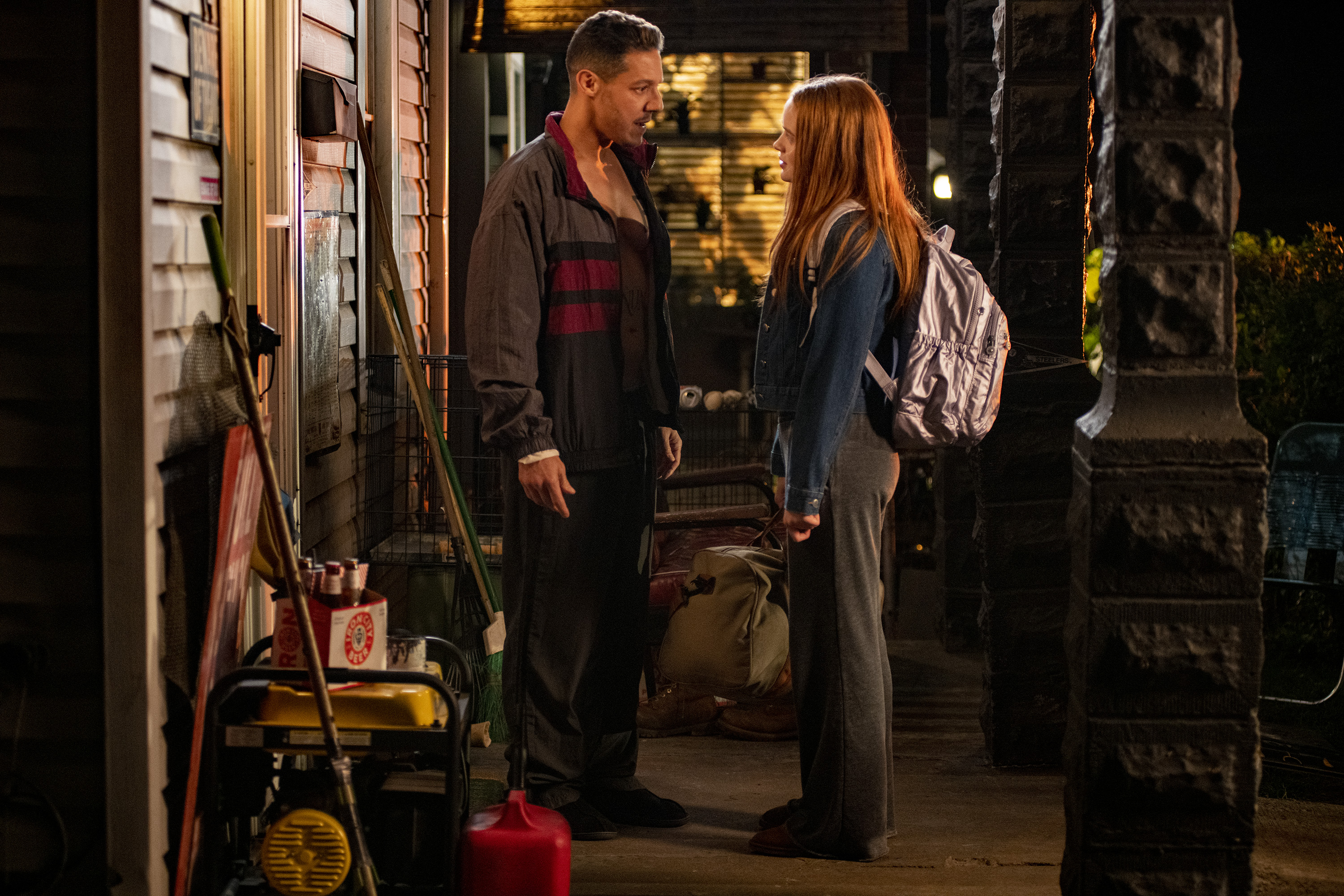
The film’s most compelling strand is Tess’s tentative relationship with her estranged biological father. Her father is Nick (Rossi), who may or may not have been involved in the fatal accident. Rossi gives Nick a quiet, wounded presence, suggesting years of regret beneath his guarded demeanor. Their scenes together crackle with unspoken tension, offering glimpses of the darker, messier film Dear Zoe has been. Unfortunately, these moments are too often softened by the film’s need to reassure rather than unsettle.
Justin Bartha takes on the role of Tess’s stepfather. He is a well-meaning but emotionally distant figure. His inability to communicate grief underscores the family’s fractures. The performance is solid. Yet, the character feels more symbolic than fully lived-in. This is emblematic of the film’s tendency to sketch emotional dynamics rather than dig into them.
Visually, Dear Zoe is polished to the point of blandness. The cinematography favors muted palettes and sun-dappled interiors, creating an atmosphere of melancholy-lite that aligns with the film’s overall tone. Even moments that should feel volatile. confrontations, revelations, emotional breakdowns, arrive filtered through a haze of restraint. It’s grief as something observed from a distance, never quite allowed to be ugly or overwhelming.
The script repeatedly circles around themes of forgiveness, connection, and healing, but it rarely interrogates them. The idea that understanding and empathy can emerge from tragedy is treated as a given rather than a hard-won truth. As a result, the film’s emotional arc feels preordained. Its conclusions are tidy, which rings false to lived experience.
And yet, Dear Zoe is not without merit. Its sincerity is undeniable, and Sink’s performance alone gives the film weight it otherwise lack. There’s an audience for this carefully curated sadness, viewers who want to feel moved without being shaken.
Ultimately, Dear Zoe is a film that mistakes gentleness for depth. It gestures toward the abyss of loss but never fully confronts it. Instead, it smooths the surface and offers solace. It’s affecting in moments. It is frustrating in others. It is emblematic of a strain of modern indie drama that wants to honor pain without fully embracing its chaos.
 Roses Have Thoughts
Leave a comment