
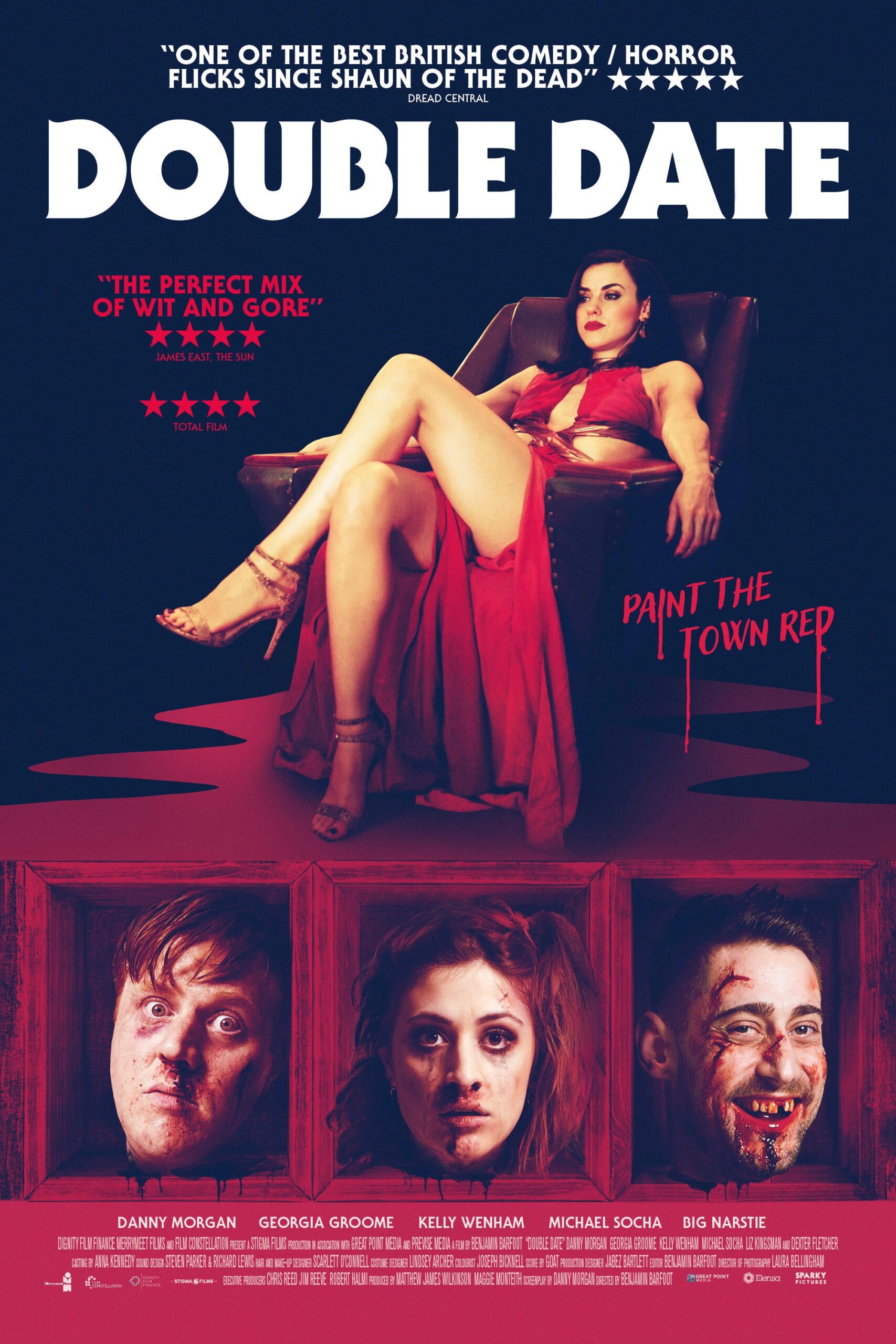
Synopsis- Two awkward best friends agree to a double date, unaware the women plan to sacrifice one of them to a demon, triggering a night of chaos, masculinity panic, and blood-soaked reversal.
Director- Benjamin Barfoot
Cast- Danny Morgan, Georgia Groome, Michael Socha, Kelly Wenham
Genre- Horror, Dark Comedy
Released- 2017
Few horror-comedies jolt you like Benjamin Barfoot’s Double Date (2017). Crude and sharply observed, this film delivers more wit and complexity than you’d expect. It starts as a wild, beer-soaked look at male insecurity. Then, it quickly spirals into something darker and stranger. The film skillfully merges satanic ritual, immaturity, and wounded masculinity.
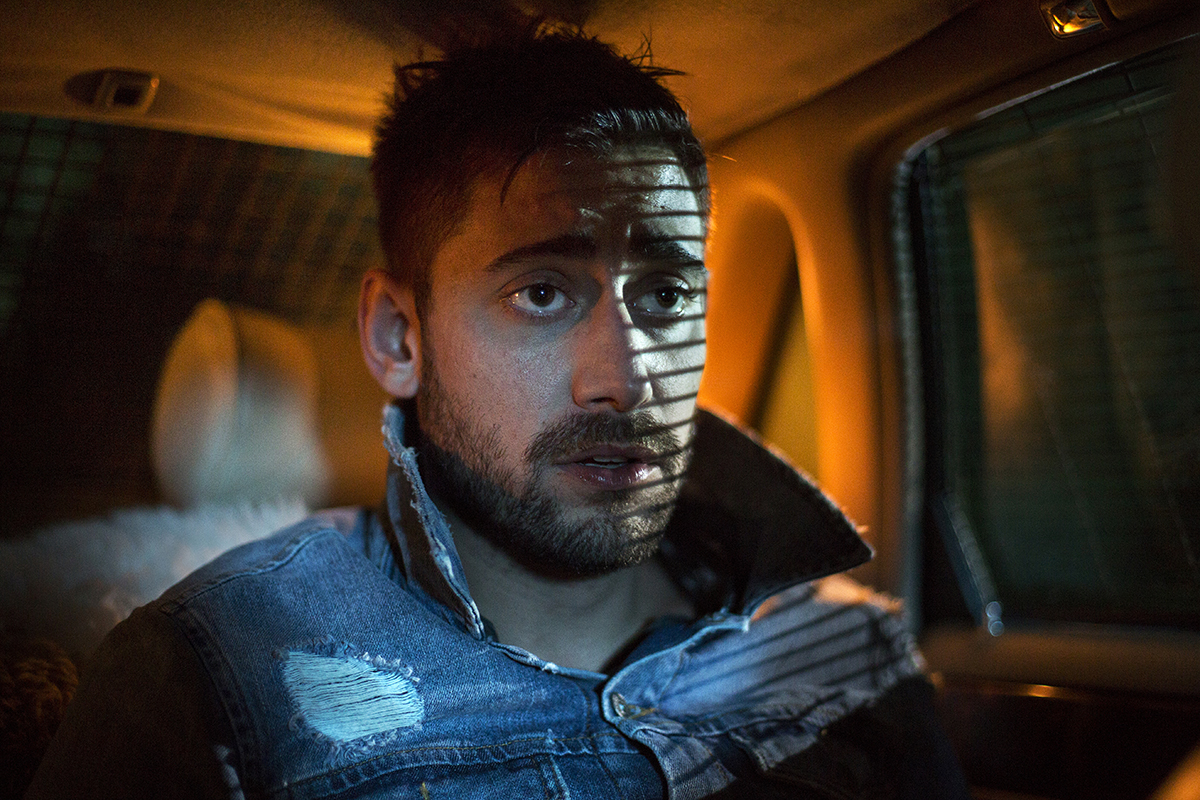
Danny Morgan plays Jim, a painfully shy, socially awkward man. His virginity defines him, keeping him emotionally trapped. His best friend Alex (Michael Socha) is the opposite. He is loud and aggressive. He is eager to prove his masculinity like it’s a contest. Together, they’re a recipe for disaster, trapped in self-sabotage and bravado. When Alex arranges a double date with sisters Kitty (Georgia Groome) and Lulu, the film quickly shifts into full-blown horror.
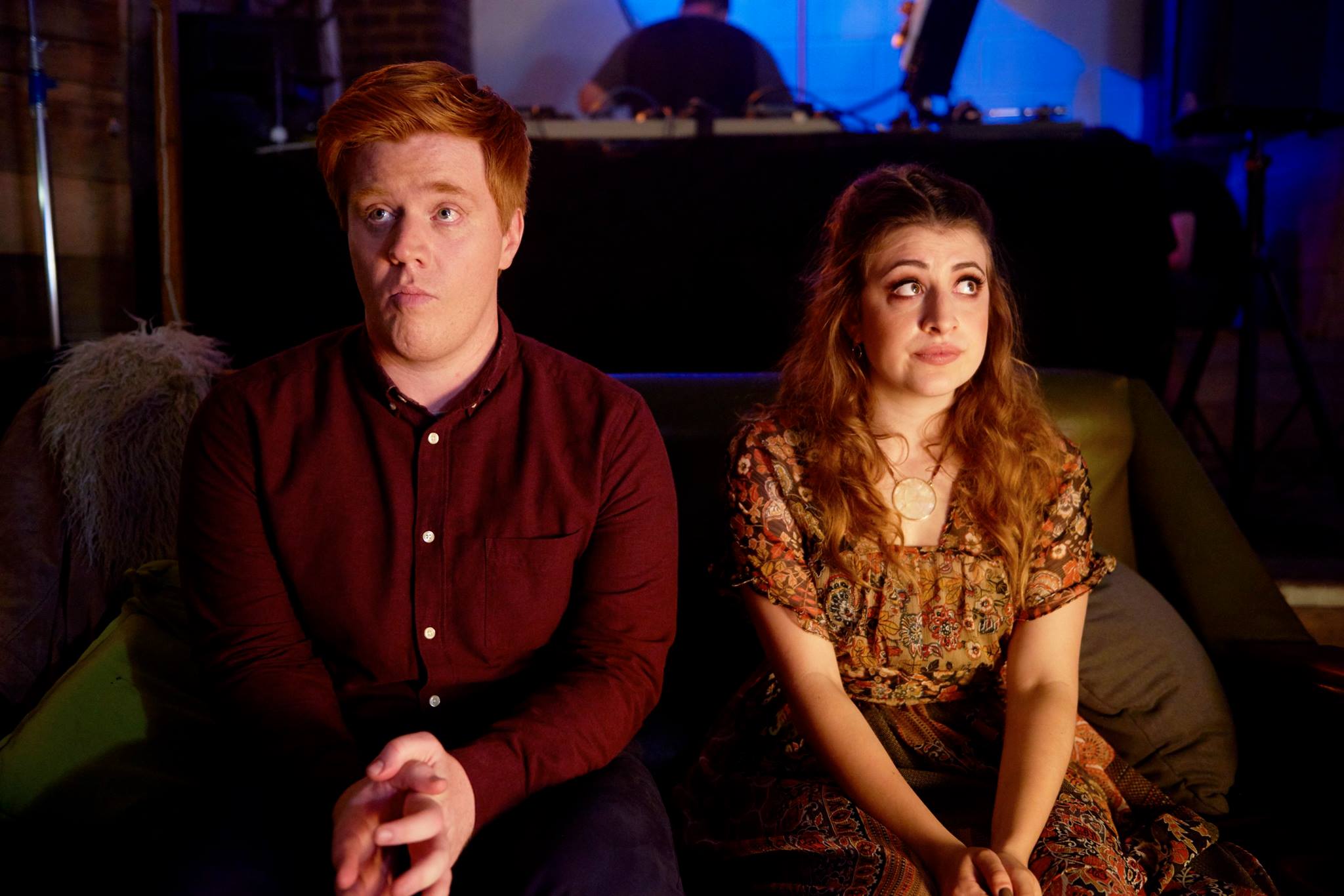
I can’t help but feel Double Date a ‘meat-and-ideas’ film. It’s gory and playful on the surface, but underneath, it looks at how men bond. Barfoot shows that the real horror comes from the pressure men put on each other. The film lets awkward moments and silences linger, with jokes turning uncomfortable until laughter blurs with tension.
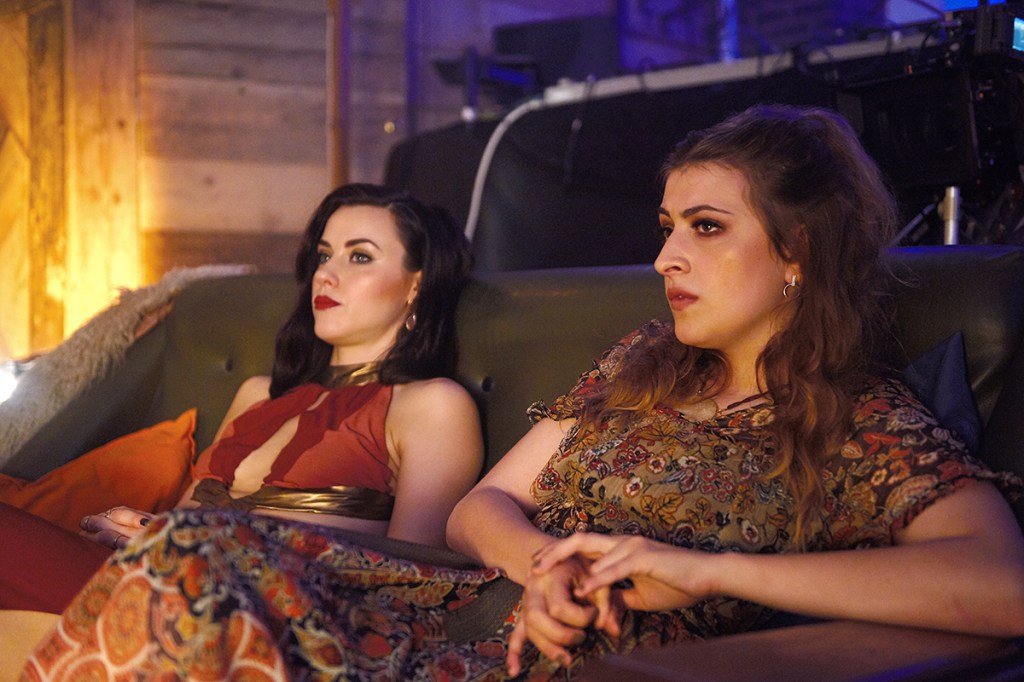
Georgia Groome stands out as Kitty, showing both confidence and menace. She and Kelly Wenham (as Lulu) turn familiar genre roles upside down. At first, they seem like classic threats, but the film soon changes the power dynamics in unexpected ways. Double Date doesn’t go for simple twists. No one comes out clean, heroic, or untouched; everyone gets hurt, one way or another.
Visually, the film stays grounded and gritty. There’s no polished look here, just pubs, apartments, and dark streets that feel real and depressing. This realism makes the violent scenes more surprising and sometimes even absurd. Barfoot handles the gore with a sense of humor. Still, he never allows it to take over the comedy. It doesn’t become just a joke. The film balances its tone well and rarely slips.
The screenplay is sharper than expected, with dialogue that jokes about lad culture without mocking it. Alex is interesting, not because he’s evil, but because he’s afraid of being overlooked. Socha brings energy, making Alex’s bravado feel like fragile emotional armor.
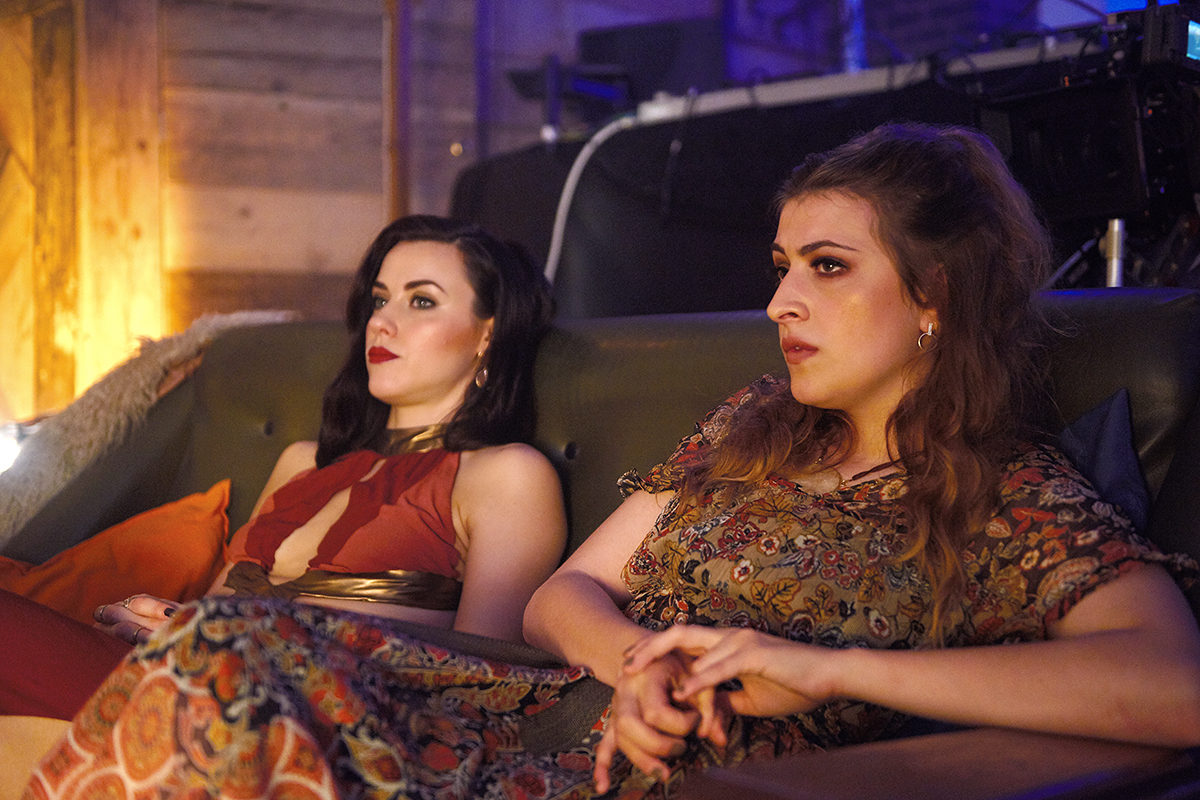
If Double Date has a weak spot, it’s in the final part. Here, the escalating chaos overshadows the psychological themes explored earlier. The sudden ramp-up in action increases the intensity. It makes the character-driven conflicts less clear. This change threatens to dilute the film’s critique of male insecurity. Still, even when things get messy, the film sticks to its ideas and never turns into mindless gore.
In the end, Double Date is a bold, funny, and unexpectedly thoughtful genre film. It connects horror and comedy. It probes troubled masculinity beneath the blood and jokes. This makes it more than a late-night romp. This film stands out and deserves its cult status.
 Roses Have Thoughts
Leave a comment