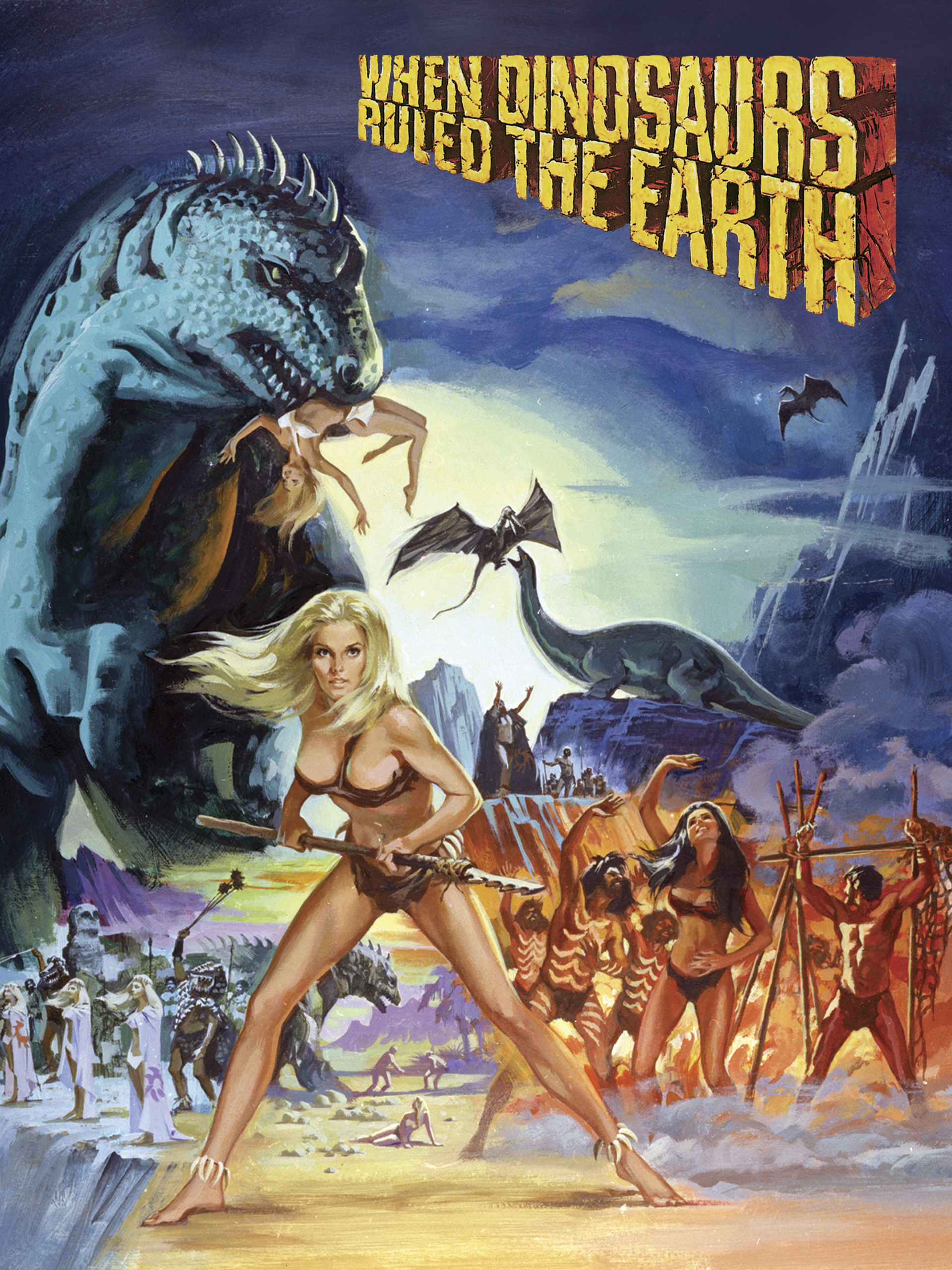
Synopsis- A prehistoric tribe worshipping the sun clashes with rival clans and dinosaurs, as a young woman survives sacrifice and navigates love, danger and volcanic catastrophe.
Director- Val Guest
Cast- Victoria Vetri, Robin Hawdon, Patrick Allen
Genre- Adventure, Fantasy, Science Fiction
Released- 1970
When Dinosaurs Ruled the Earth has a strange, almost hypnotic charm. It feels less like a typical story and more like a vivid dream made of sand, sun, and stop-motion creatures. Directed by Val Guest, the film often lets spectacle take over the story, and it almost works.
This film isn’t a masterpiece, but it is an experience. It’s visually striking, sometimes uneven, and oddly captivating in ways that are hard to ignore. Watching it today, you notice how boldly it embraces its own silliness, inviting viewers into a world with little dialogue, minimal clothing, and dinosaurs that seem almost annoyed to be there.
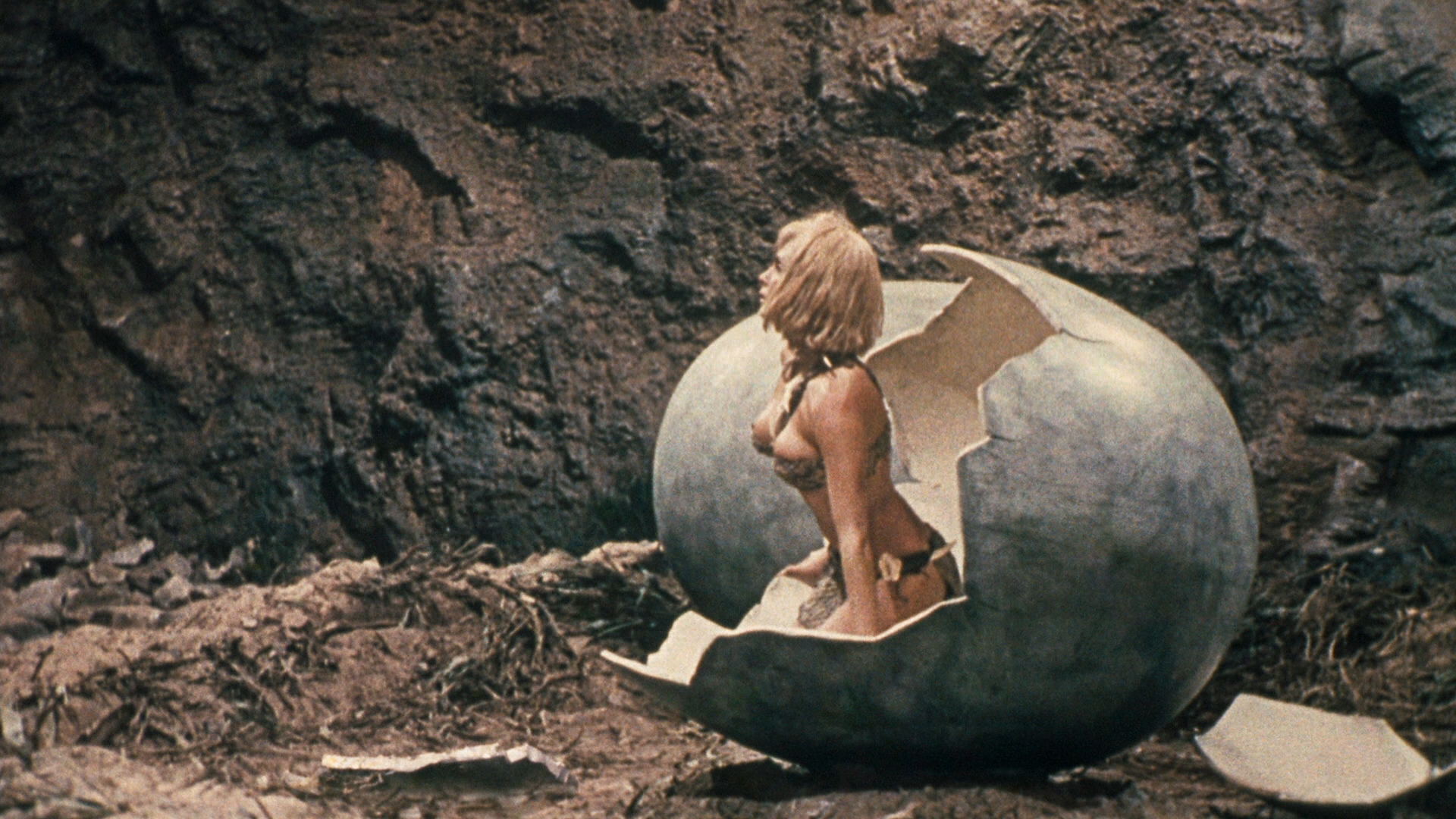
The film begins with a serious ritual, as sun worshippers offer sacrifices to calm a god who always seems annoyed. Sanna (Victoria Vetri), meant to be sacrificed, escapes and finds herself in a string of loosely connected adventures with rival tribes, unlikely romance, and plenty of prehistoric creatures.
Vetri, who was Playboy Playmate of the Year in 1968, gives Sanna a strong presence. Her role is more about physical effort than deep emotion. She runs, swims, climbs, and reacts, often convincingly, to creatures that were added later. Her genuine commitment helps ground the film, even when things get a bit silly.
Robin Hawdon plays Tara and brings a gentle, boyish sincerity that stands out in the film’s wild setting. The characters speak in a made-up language, so their relationship develops with very little dialogue. Still, a surprising tenderness comes through, showing that even in a harsh world, people can connect.
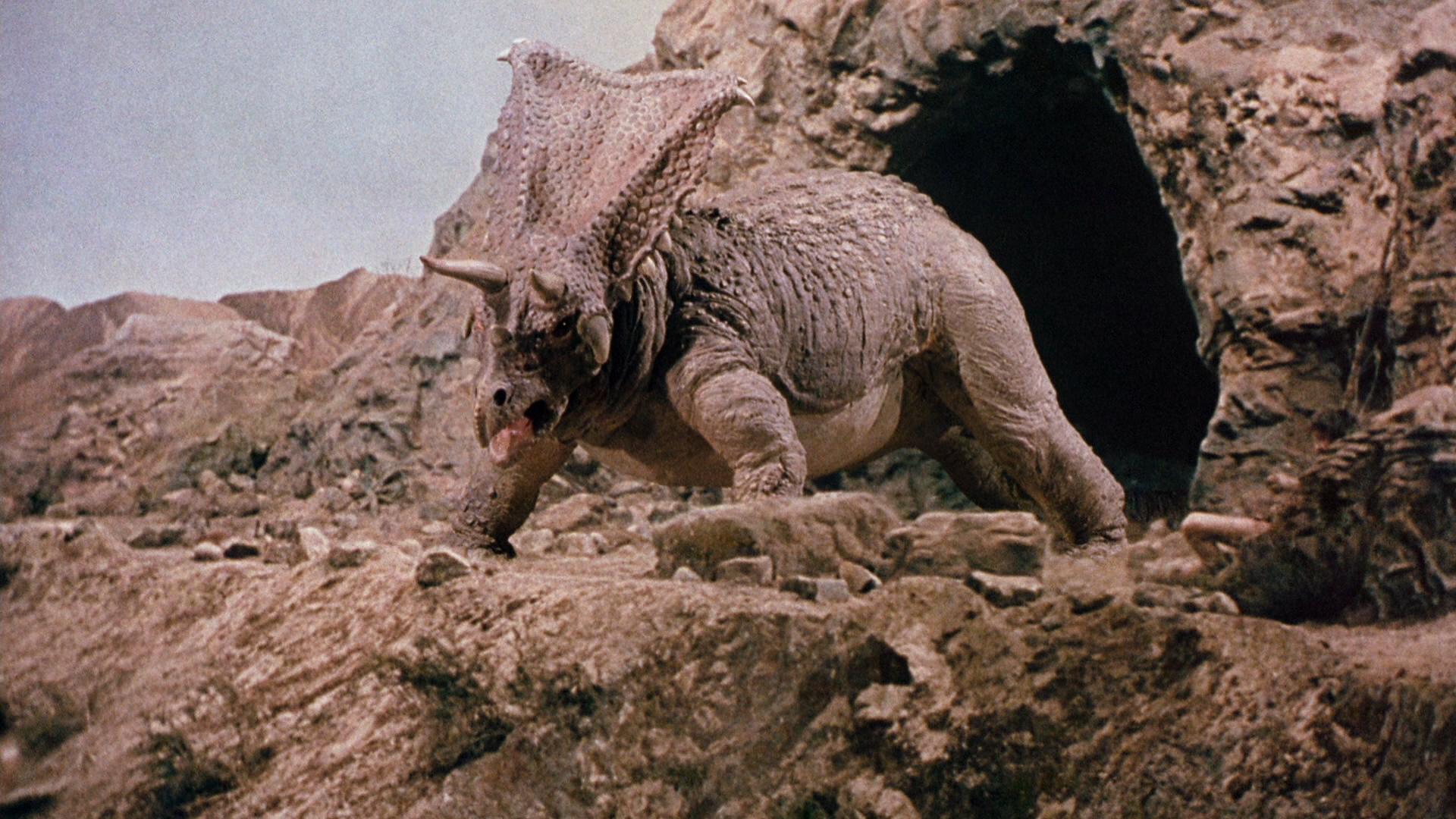
The real stars of the film are the dinosaurs, created with stop-motion animation. Even though the effects look old-fashioned, they have a hands-on charm. The dinosaurs don’t blend in perfectly, but their obvious presence and slightly awkward movements remind us of the hard work behind the scenes. In today’s world of digital effects, their flaws actually feel refreshing.

Still, the film has plenty of flaws. The pacing is uneven, with long sections that slow down just to show off the scenery. The dialogue often feels like a gimmick rather than a real choice, and the tone jumps between serious storytelling and accidental comedy.
But if you only look at the flaws, you miss what makes the film special. It boldly relies on visuals to tell the story, even when things don’t always make sense. The camera work highlights beaches, cliffs, and jungles with a painter’s touch, lifting the film above its B-movie origins.
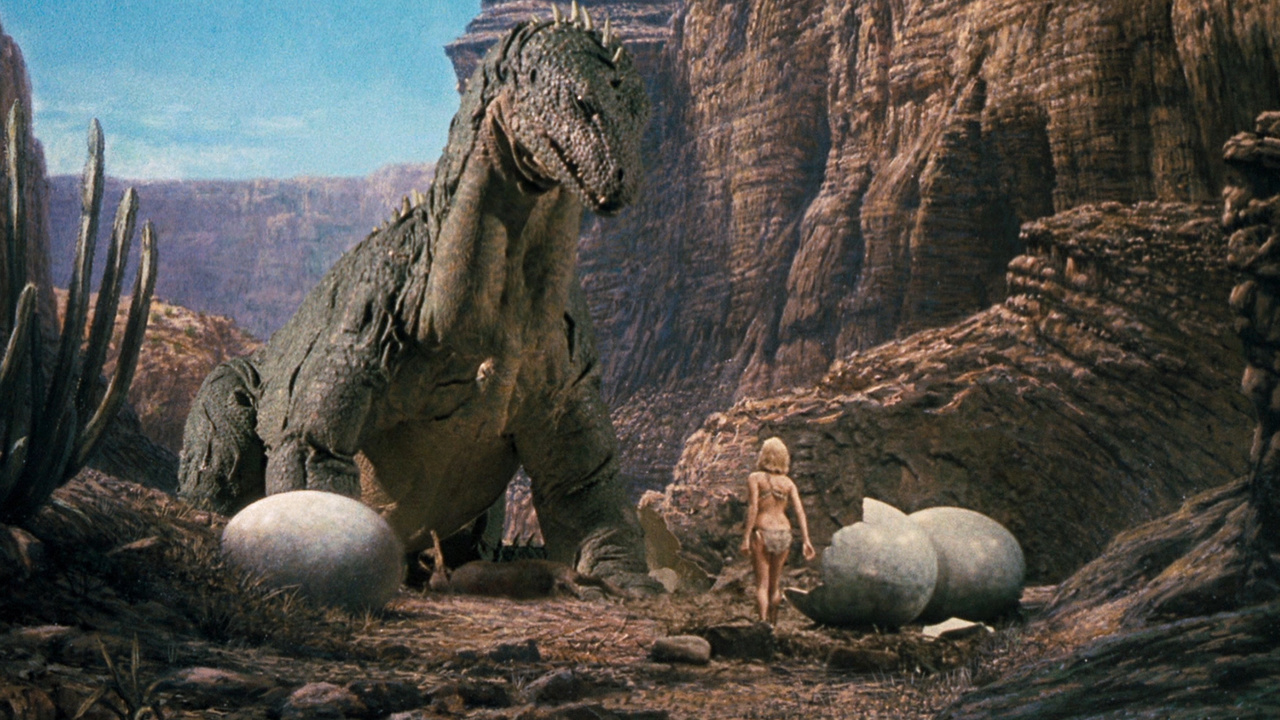
What stays with you isn’t the plot, which fades quickly, but the feeling: the warmth of the sun, the sounds of the creatures, and the sense of a world that is both strange and familiar. This is pure spectacle at its core.
When Dinosaurs Ruled the Earth doesn’t completely achieve its big goals, but it doesn’t waste them either. It sits in an interesting middle ground: flawed, fascinating, and just self-aware enough to be enjoyed for its own quirks.


Leave a Reply