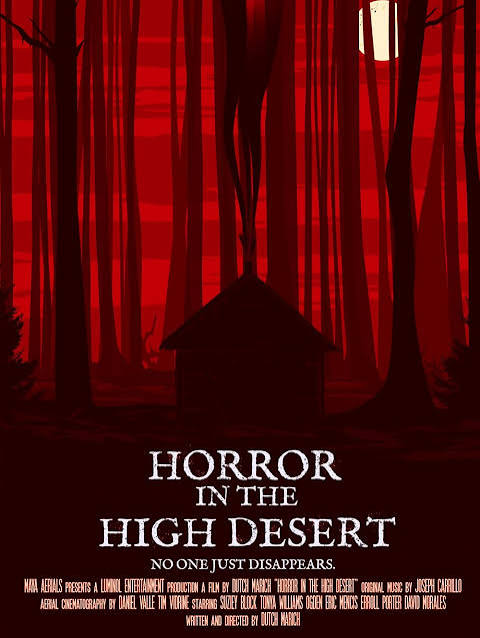
Synopsis: A solitary hiker vanishes after exploring a remote Nevada wilderness, prompting an unsettling investigation that gradually uncovers terrifying footage of his final expedition.
Director: Dutch Marich
Cast: Eric Mencis, Tonya Williams Ogden, Bill Salvatore, Marco Antonio Parra
Genre: Found Footage, Mystery, Psychological Horror, Mockumentary
Released: 2021
Found-footage horror may not feel new anymore, but sometimes a film comes along that shows why the style was so gripping to begin with, and those of you who have read my previous reviews would know just how much I love this genre. Horror in the High Desert avoids cheap scares and shaky cameras. Instead, it slowly builds tension until everyday moments feel truly unsettling. Like the best documentaries that leave you unsure of what you just watched, Dutch Marich’s simple thriller gets under your skin and stays there.
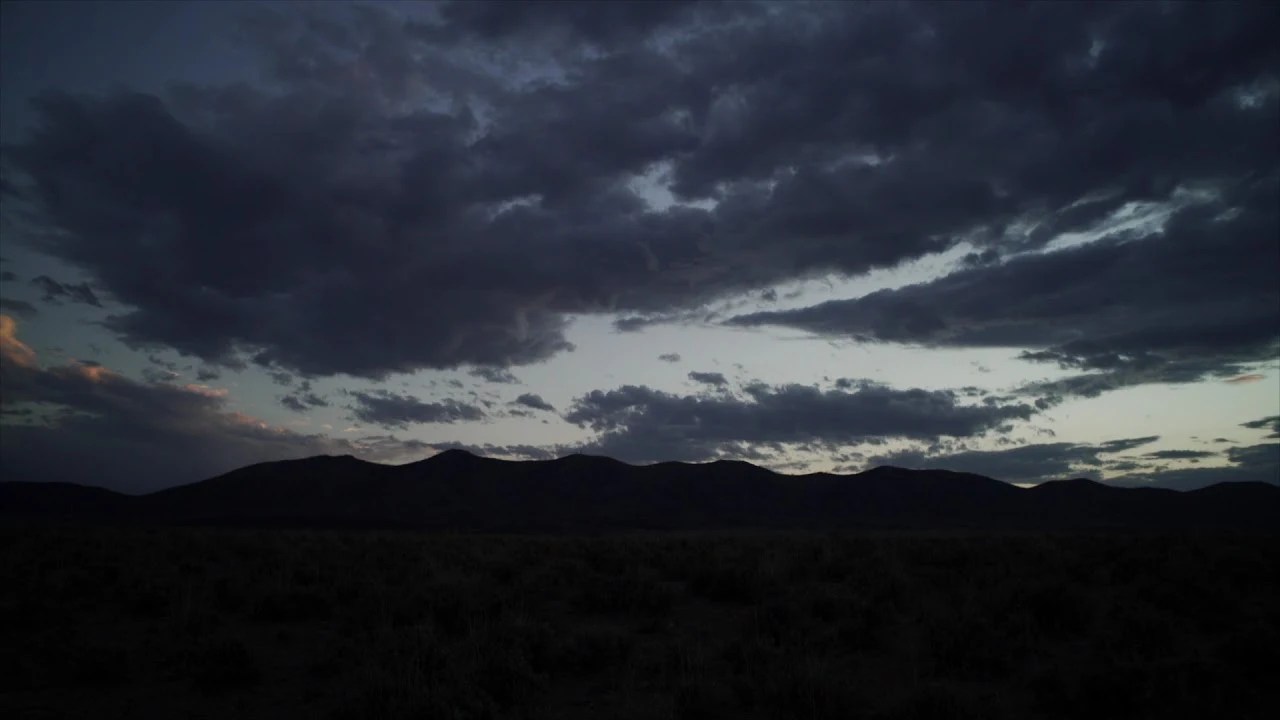
The film is structured as a true-crime documentary about the disappearance of experienced outdoorsman Gary Hinge. It knows that the scariest stories often hold back rather than show everything. The interviews and family memories feel real enough to put you at ease. Marich takes time to make Gary seem believable and likeable, not just another victim waiting for something bad to happen.
Eric Mencis gives a subtle and believable performance as Gary. He doesn’t play up the odd traits often seen in found-footage characters. Instead, he shows a man whose confidence outdoors slowly turns into quiet worry. His acting feels real, never forced. Tonya Williams Ogden, Bill Salvatore, and Marco Antonio Parra also give strong supporting performances, making it feel even more like a real documentary put together after something tragic.
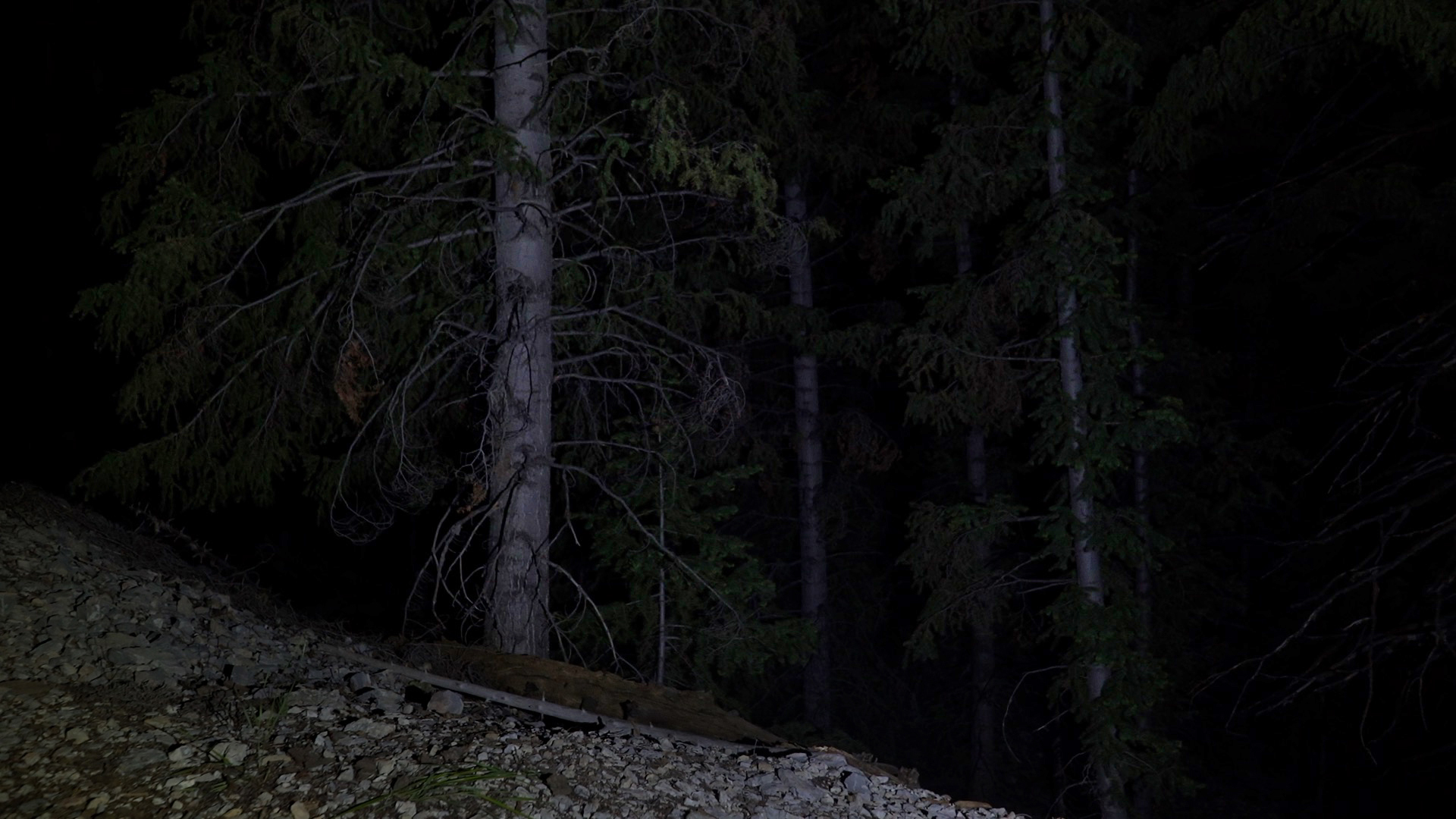
Marich shows real control as a director. While some filmmakers think slow pacing automatically creates atmosphere, here the steady pace has a clear reason. Each interview, photo, and long shot of the landscape adds emotional weight. The wide Nevada desert feels like its own character: beautiful, uncaring, and deeply lonely. The empty land seems to take away sound, hope, and even certainty.
When the movie finally shows Gary’s recovered footage, the impact is strong. Instead of using flashy monster effects or nonstop violence, Marich uses darkness, distance, and uncertainty. The fear comes from what we can’t quite see, and what we imagine might be just out of sight. The final scenes show a real understanding of suspense, letting silence, pauses, and quick glimpses create the tension.
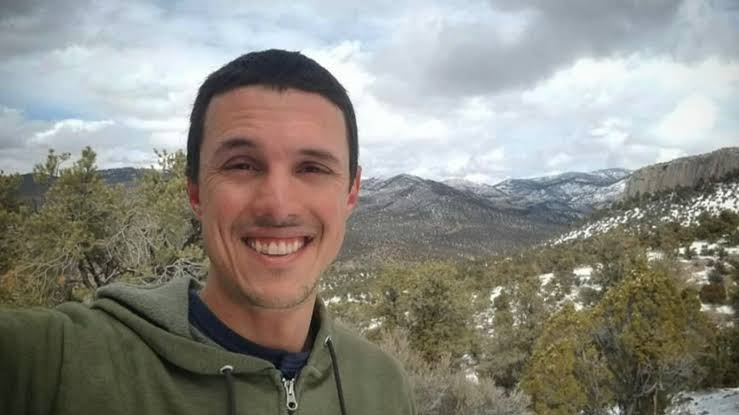
The production choices help keep up the illusion. Nothing looks too polished, which is exactly what the film wants. The documentary style stays consistent, never switching to a flashy movie look. The editing of TV investigative specials is so good that the shift into horror feels believable.
If the film has a flaw, it’s that the slow first half might be tough for viewers who want quick scares. People used to fast-paced horror might wonder when the real action starts. But the slow build is important, without it, the ending wouldn’t be nearly as powerful.
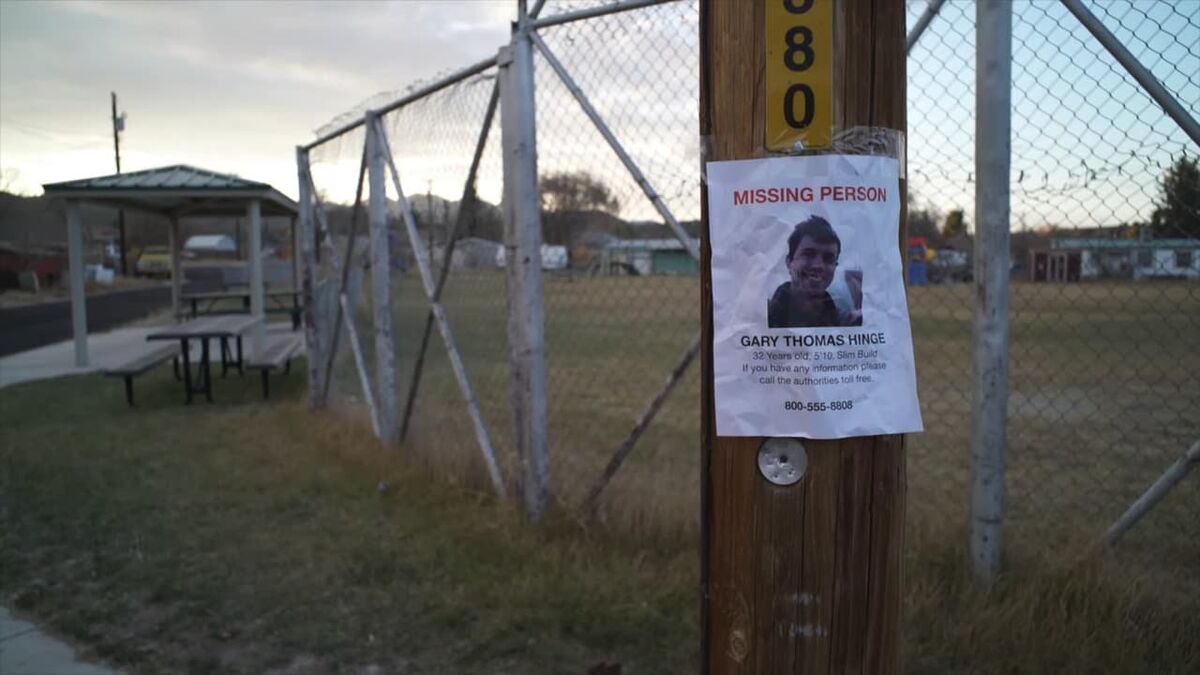
It’s also refreshing that the film doesn’t try to explain everything. Horror often loses its impact when it explains too much, but Horror in the High Desert knows that mystery can be scarier than clear answers. Questions stick with you after the credits, making you think back on key moments.
With so many found-footage movies trying to go viral, Horror in the High Desert stands out for focusing on mood rather than flashy moments. Even with a small budget, imagination, patience, and careful filmmaking can still create real fear. It might not be for everyone, but if you’re open to its slow pace, you’ll find a surprisingly haunting film. You may even want to watch it again.
If you enjoyed Horror in the High Desert, also watch:
- The Blair Witch Project (1999)
- The Last Broadcast (1998)
- The Borderlands (Final Prayer) (2013)


Leave a Reply