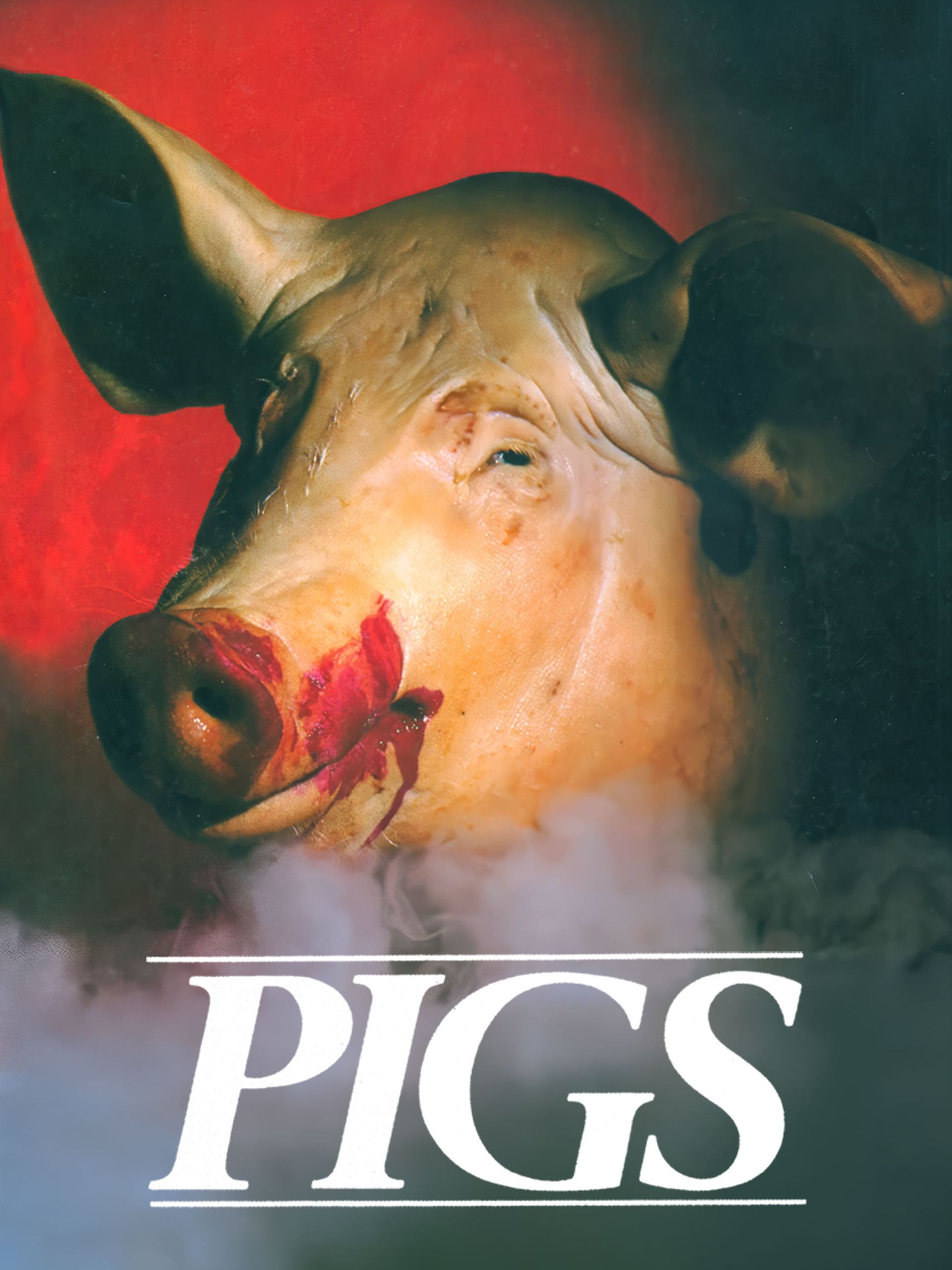
Synopsis: A disturbed young woman arrives at a remote roadside diner run by an oddball ex-circus performer whose pigs have a peculiar fondness for human flesh.
Director: Marc Lawrence
Cast: Toni Lawrence, Marc Lawrence, Jesse Vint
Genre: Horror, Psychological Thriller, Exploitation
Released: 1973
There are bad films that are at least entertaining in their own right, and then there are films like Pigs (1973) which are simply there to try and break your patience. Also released as the much more sensational Daddy’s Deadly Darling, Marc Lawrence’s rather odd little horror film has a premise which is absolutely self-evident: a roadside diner, a number of hungry pigs and a supply of human corpses. The actual film is far less exciting than that would suggest.
The story follows Lynn Webster (Toni Lawrence), a troubled young woman who turns up at a remote California diner looking for a job and a place to hide. The diner is run by Zambrini (Marc Lawrence), an old circus man who has a pen of twelve pigs behind the building. There’s a lot of local rumour that the pigs have developed a taste for human flesh and that Zambrini has been feeding them a rather peculiar diet. The local sheriff, Dan Cole (Jesse Vint), is obviously starting to ask questions.
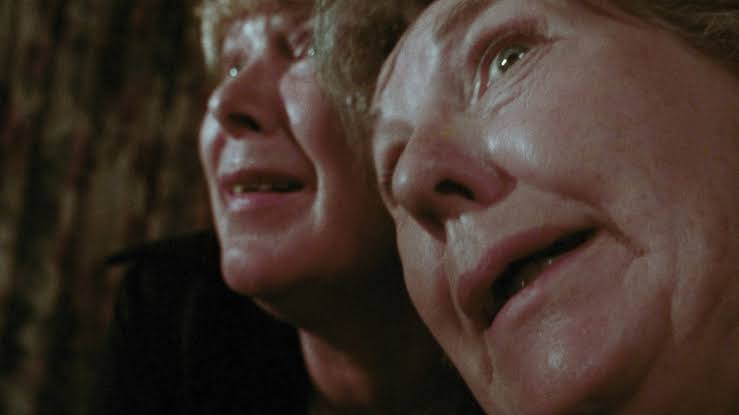
There’s a rather interesting concept lurking somewhere in this odd little set-up, though Lawrence isn’t entirely clear on what kind of picture he actually wants to make. At one point Pigs is very much in the backwoods murder mystery mode; at another it’s become a very uncomfortable piece of psychological drama about sexual abuse, mental illness and the terrible fallout of childhood trauma. It could have been a very interesting character study, but the script just doesn’t quite manage to weld those elements together in any convincing way.
Toni Lawrence (the director’s daughter) is very good as Lynn. She’s a difficult character to play, one who is clearly scarred by a very disturbing past and who can at any moment erupt into violence. At times, she is genuinely unnerving, though you never really get a clear sense of why she does what she does. Marc Lawrence is much more at home as Zambrini and brings a certain amount of theatricality to the role. You can see his character-actor background in him, and he gives the film a bit of character whenever he’s on screen.

The film’s biggest problem is its pace. For such a ridiculous premise you’d think there’d be a lot more excitement but there really isn’t. The sheriff’s investigation drags, the side characters are pretty much unmemorable and the promised pig mayhem is rather restrained. You’d think the animals would be the star of the show but they’re pretty much just squealing the whole time.
There are a few things to commend though. Glenn Roland’s cinematography gives the film the right sense of isolation and Charles Bernstein’s score is pretty good in places. Bernstein would go on to do the music for A Nightmare on Elm Street, and there are a few little touches here which suggest the same talent that would later make him such a distinctive figure in the horror genre.
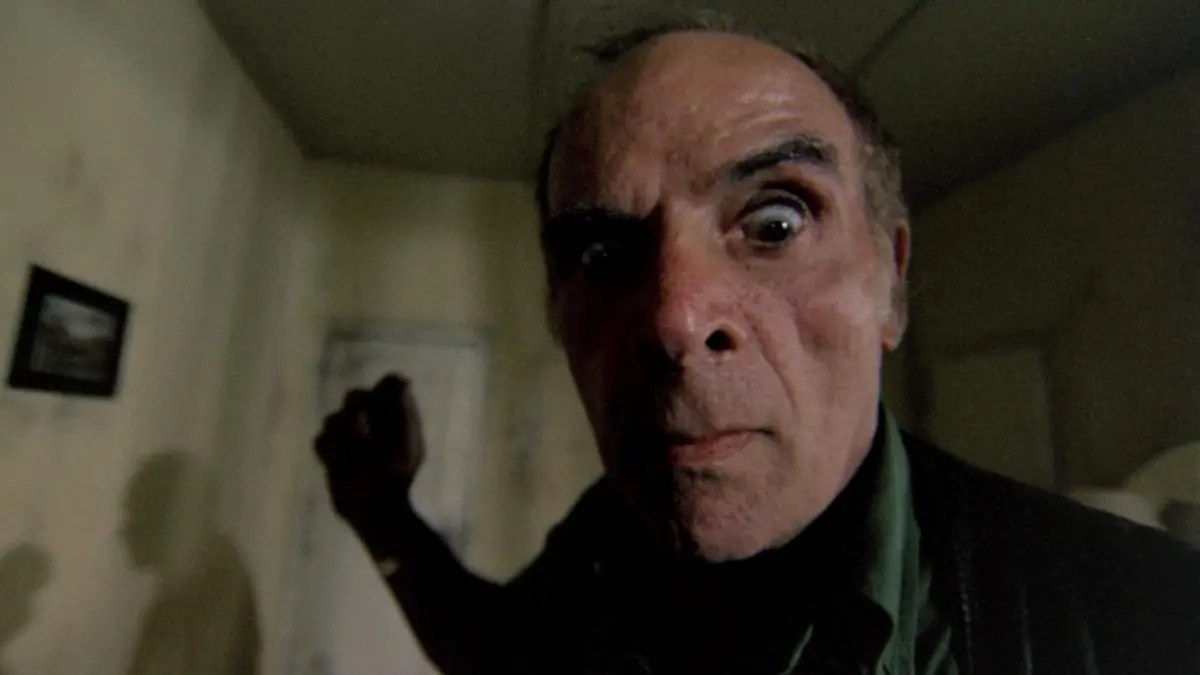
The ending is suitably grotesque, though by that stage you’d have thought you could have done a lot more with the material. The various alternative versions and titles (The Strange Love Exorcist, Daddy’s Girl, etc.) are a perfect illustration of how awkwardly it was marketed and re-branded.
Ultimately Pigs is just an oddity rather than a lost horror classic. The concept at its heart is absolutely ludicrous and there’s certainly enough oddness to keep you interested to a degree, but the execution is just too slow and disjointed. If you’re looking for a proper all-out animal-attack film, you’re going to be very disappointed.
A bit of a curiosity for the diehard devotee of 70s exploitation cinema, certainly, but far more interesting to write about than actually to watch.
Three similar films
Deranged (1974): A genuinely disturbing backwoods horror, inspired by the crimes of Ed Gein, with a similar fascination with the disturbed mind and the rural grotesque.
The Texas Chain Saw Massacre (1974): Tobe Hooper’s landmark horror film, a far more accomplished example of the isolated rural community, the cannibalistic threat and low-budget terror.
Motel Hell (1980): A twisted horror-comedy about a rural motel owner and his unusual method of supplying his guests with meat.


Leave a Reply