
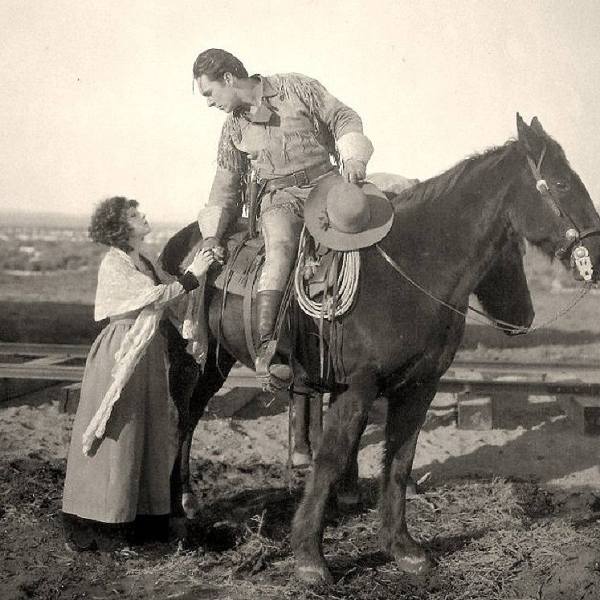
Early cinema, spanning from its inception in the late 19th century to the 1930s, marked a transformative period in the history of film. The Lumière Brothers’ first public screening of films in 1895, featuring everyday scenes like workers leaving a factory, was a pivotal moment that birthed the cinematic medium. Silent films dominated this era, characterized by black-and-white visuals, exaggerated acting styles, and accompaniment by live music or narration.
The 1900s witnessed the rise of narrative storytelling in film, with pioneers like Georges Méliès exploring special effects and fantastical themes in works like “A Trip to the Moon” (1902). As technology advanced, longer films became possible, and the first feature-length film, “The Story of the Kelly Gang” (1906), emerged.

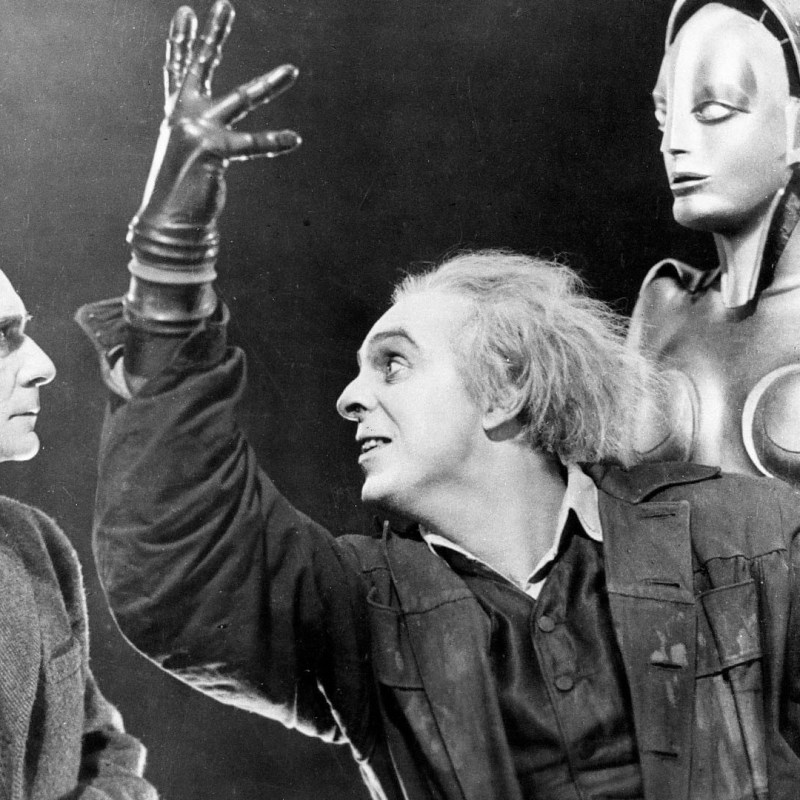
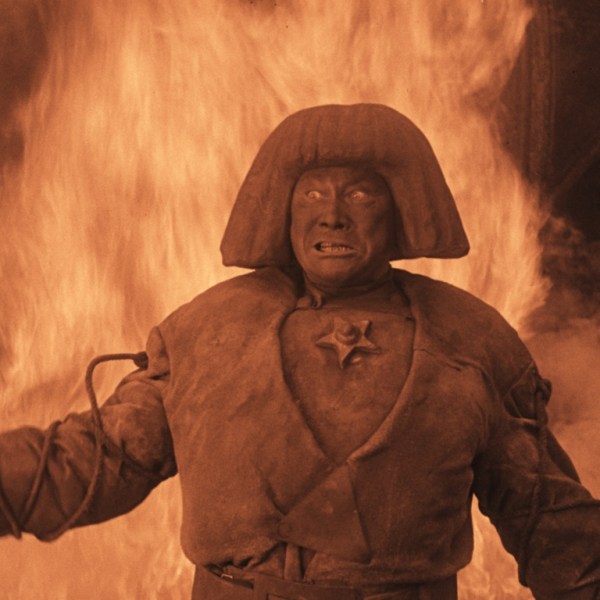
The 1920s, often hailed as the “Golden Age of Silent Cinema,” brought forth iconic figures such as Charlie Chaplin and Buster Keaton, revolutionizing comedic storytelling. German Expressionism, seen in films like “The Cabinet of Dr. Caligari” (1920), introduced avant-garde aesthetics. The transition to sound in the late 1920s with films like “The Jazz Singer” (1927) marked a monumental shift, forever altering the cinematic landscape.
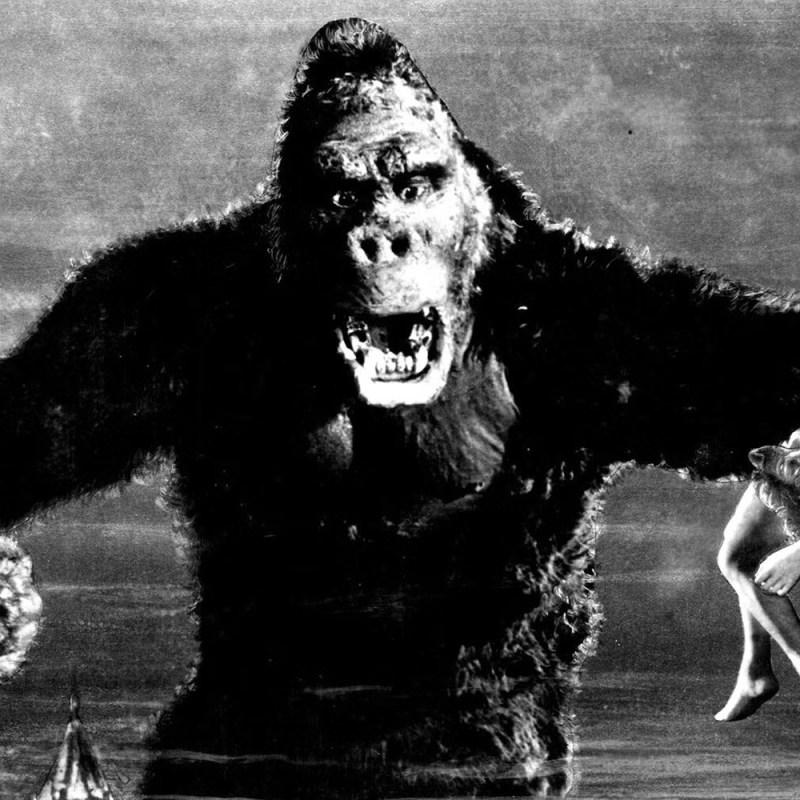
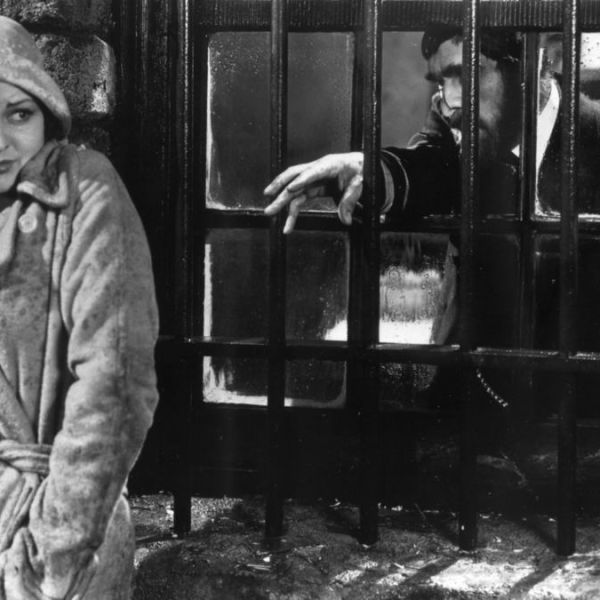
By the 1930s, the film industry had matured, embracing sound technology, and Hollywood emerged as a global filmmaking hub. The decade laid the foundation for the studio system, shaping the trajectory of cinema for decades to come.





Something went wrong. Please refresh the page and/or try again.
 Roses Have Thoughts