
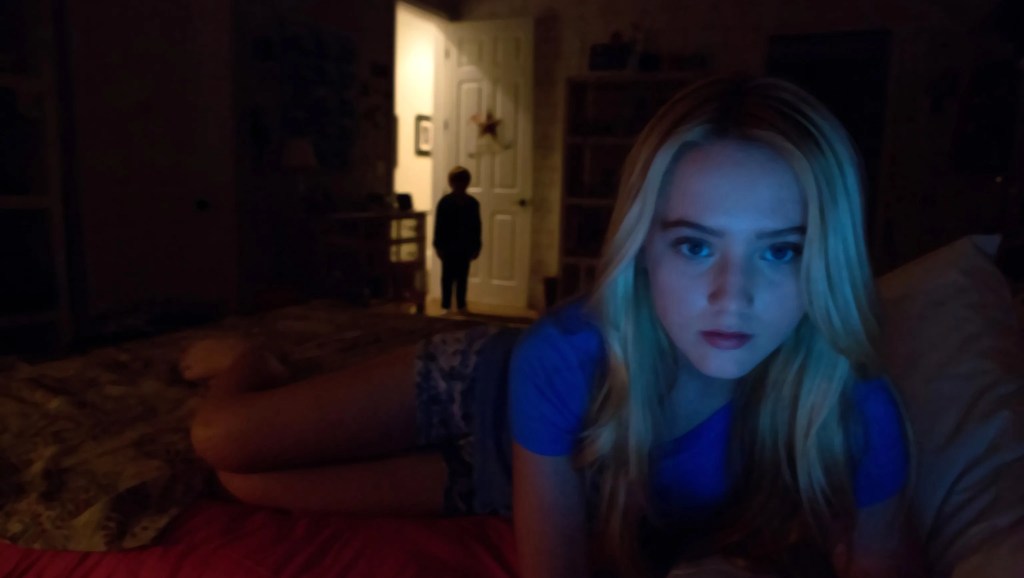
In the realm of horror cinema, few subgenres have left an indelible mark on the industry quite like found footage horror. This distinctive style of filmmaking immerses viewers in a chilling and often visceral experience, blurring the lines between fiction and reality. To understand the roots and evolution of found footage horror, we must journey back through its intriguing history.
The origins of found footage horror can be traced back to the early days of cinema, where filmmakers experimented with faux-documentary styles. One of the earliest examples can be found in the 1961 film “The Connection,” directed by Shirley Clarke. While not a traditional horror film, it laid the foundation for the use of handheld cameras and unconventional storytelling techniques.
However, it was not until the late 20th century that found-footage horror truly emerged as a distinct subgenre. The watershed moment arrived in 1980 with the release of “Cannibal Holocaust,” directed by Ruggero Deodato. This controversial Italian film claimed to depict the grim fate of a documentary crew in the Amazon rainforest. “Cannibal Holocaust” blurred the lines between fiction and reality by presenting itself as a genuine documentary. Its visceral and disturbing imagery shocked audiences and sparked debates about the ethics of such filmmaking.

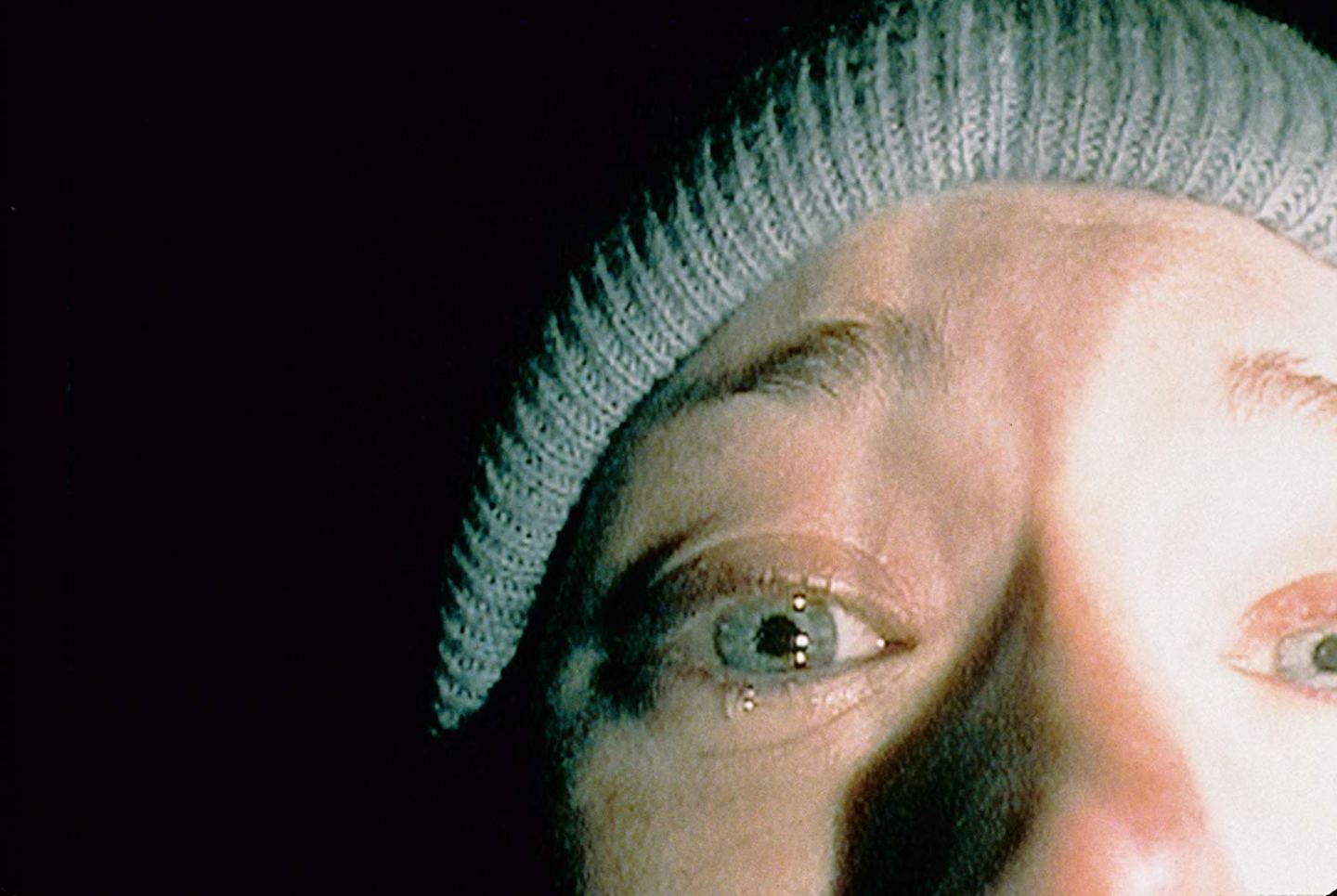
The true turning point in the history of found footage horror came in 1999 with the release of “The Blair Witch Project,” directed by Daniel Myrick and Eduardo Sánchez and “The Last Broadcast” directed by Stefan Avalos and Lance Weiler. These low-budget indie films became a cultural phenomenon, setting the stage for a new era of horror storytelling. Shot with handheld cameras and marketed as real found footage. Its minimalistic approach and emphasis on psychological terror made it an easy and cheap way to make effective genre pieces.
The success of “The Blair Witch Project” opened the floodgates for a wave of found footage horror films in the early 2000s. Titles like “Paranormal Activity” (2007), “Cloverfield” (2008), and “REC” (2007) found commercial success by harnessing the intimacy and realism of the format. Audiences were drawn to the illusion that they were witnessing actual events, heightening the fear factor.
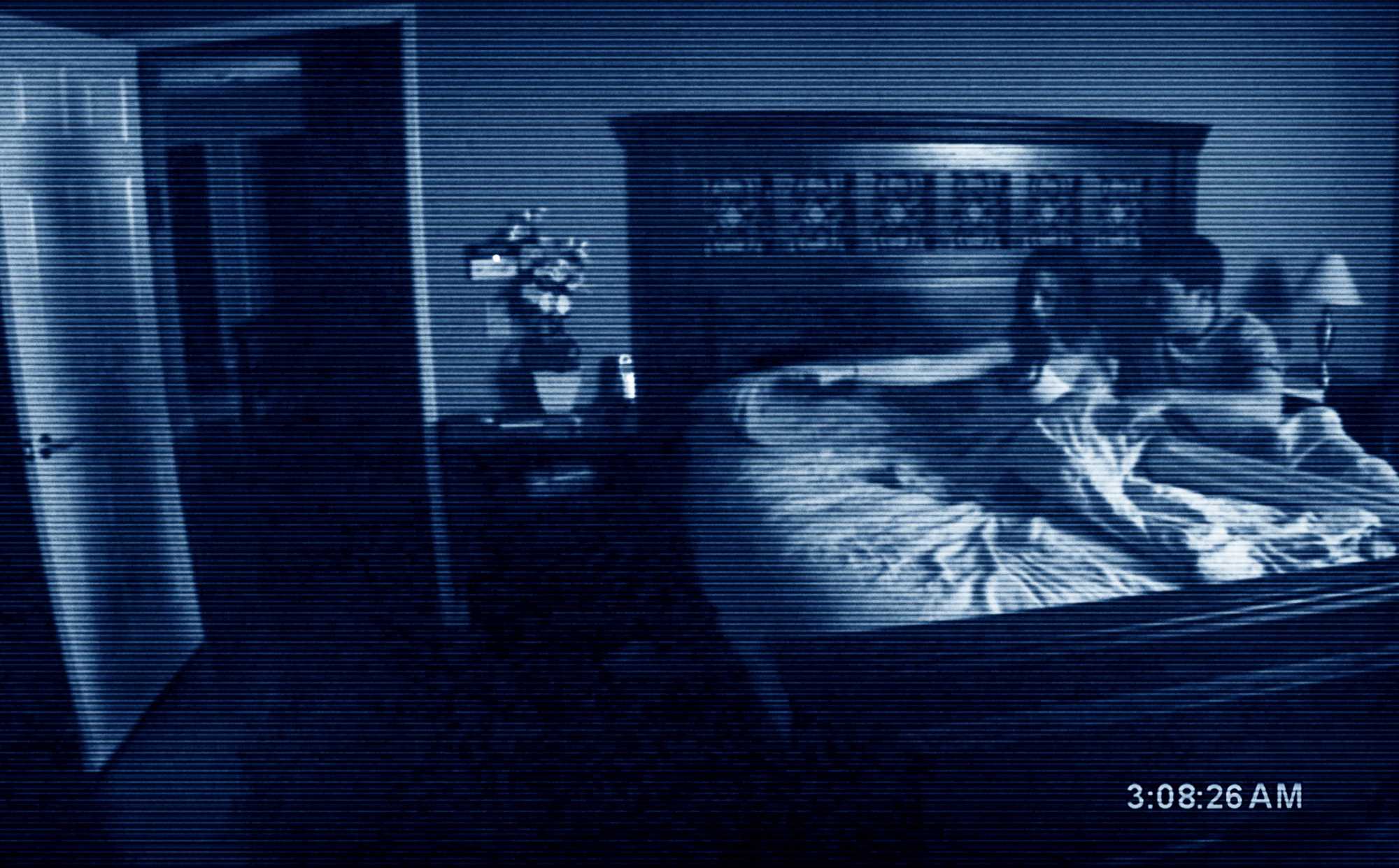
While “The Blair Witch Project” made waves in the United States, the Spanish film “REC” (2007) demonstrated that the found footage horror phenomenon was not limited to Hollywood. Directed by Jaume Balagueró and Paco Plaza, “REC” followed a television reporter and her cameraman as they documented a nightmarish outbreak inside a Barcelona apartment building. Its claustrophobic setting and relentless pacing brought a new level of intensity to the genre.
“REC” sparked a surge in international found footage horror, with countries around the world putting their own spin on the style. Films like “Monsters” (2010) from the UK and “Trollhunter” (2010) from Norway showcased the global appeal of this subgenre. Each of these films incorporated elements of their respective cultures and myths, providing fresh and unique perspectives on the found footage format.

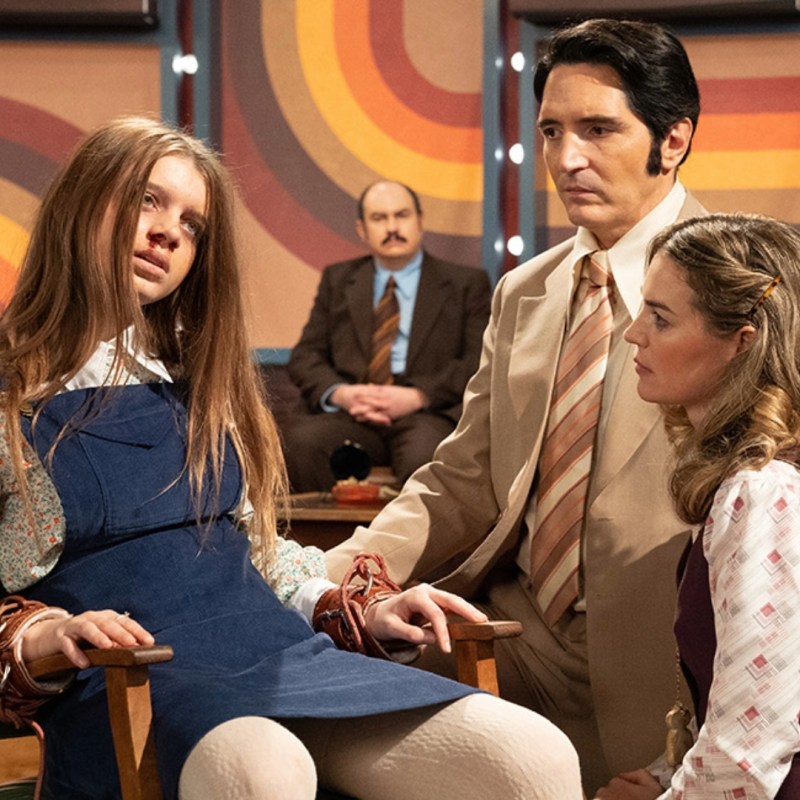
As the 21st century progressed, found footage horror continued to evolve. Filmmakers experimented with hybrid formats, blending traditional narrative techniques with found footage elements. For instance, “Chronicle” (2012) combined superhero storytelling with found footage aesthetics, “Unfriended” (2014) and Host (2020) utilized computer screens and social media to tell their story and “Lake Mungo” (2008) from Australia took the idea and mixed it with the documentary format to create a supremely scary mocumentary.
Found footage horror also found its place in the realm of supernatural and paranormal narratives. The “Paranormal Activity” franchise, in particular, continued to thrive, exploring different facets of demonic activity and possession. Other films like “Grave Encounters” (2011) and “As Above, So Below” (2014) delved into the eerie and unexplained, taking audiences on chilling journeys into the unknown.

The history of found footage horror is a testament to the genre’s ability to evolve and adapt. From its controversial beginnings with “Cannibal Holocaust” to the global impact of “REC” and the hybrid experimentation of films like “Chronicle,” found footage horror has left an indelible mark on the world of cinema. As technology advances and storytelling techniques continue to evolve, it’s clear that this subgenre will continue to terrify and captivate audiences in new and unexpected ways, proving that sometimes the most unsettling horrors are those that blur the line between reality and fiction. Although some might hate the sub-genre, I can’t help but find this a much more exciting a ultimately scary genre than more conventional horror movies made with similar budgets.


Something went wrong. Please refresh the page and/or try again.
 Roses Have Thoughts
Leave a comment