

Slasher movies, a subgenre of horror films, have captivated audiences for decades with their unique blend of suspense, gore, and psychological tension. These films typically centre around a masked or mysterious killer who goes on a rampage, targeting a group of unsuspecting victims. Slasher movies have become an enduring and iconic part of the horror genre, with a rich history dating back to the 1960s.
One of the defining characteristics of slasher movies is the relentless pursuit of victims by the killer, often accompanied by creative and gruesome methods of murder. This element creates a sense of dread and anticipation, keeping viewers on the edge of their seats. Iconic villains like Michael Myers from “Halloween,” Freddy Krueger from “A Nightmare on Elm Street,” and Jason Voorhees from “Friday the 13th” have become pop culture legends, cementing the subgenre’s lasting impact.

Beyond the visceral thrills, slasher films often delve into social and cultural commentary. They explore themes of morality, sexuality, and the consequences of one’s actions. The victims in these films are often young and attractive, reflecting societal fears and anxieties surrounding youth and beauty. The genre has also been criticized for its portrayal of violence against women, but it has evolved over the years to include more complex and empowered female characters.
Slasher movies have undergone numerous transformations and subversions over time. The 1990s saw the emergence of self-aware and meta-horror films like “Scream,” which both paid homage to and deconstructed the tropes of the genre. More recent entries like “Get Out” and “Us” by Jordan Peele have added social and political dimensions to the classic slasher formula.


Synopsis – Texan countryside is the location as the story follows a group of friends who stumble upon a nightmare when they encounter a family of cannibalistic killers led by the iconic Leatherface.
What sets The Texas Chainsaw Massacre apart from many other horror films is its unflinching brutality and the unsettling atmosphere it creates. The use of practical effects and a lack of overt gore allows the audience’s imagination to fill in the gruesome details, making it all the more terrifying. The film also explores themes of isolation and the breakdown of societal norms, making it a thought-provoking experience.
The Texas Chainsaw Massacre is not for the faint of heart, but for those who can stomach its unrelenting horror, it’s a masterpiece of the genre that continues to influence and terrify audiences to this day. It’s a must-see for any true horror aficionado.
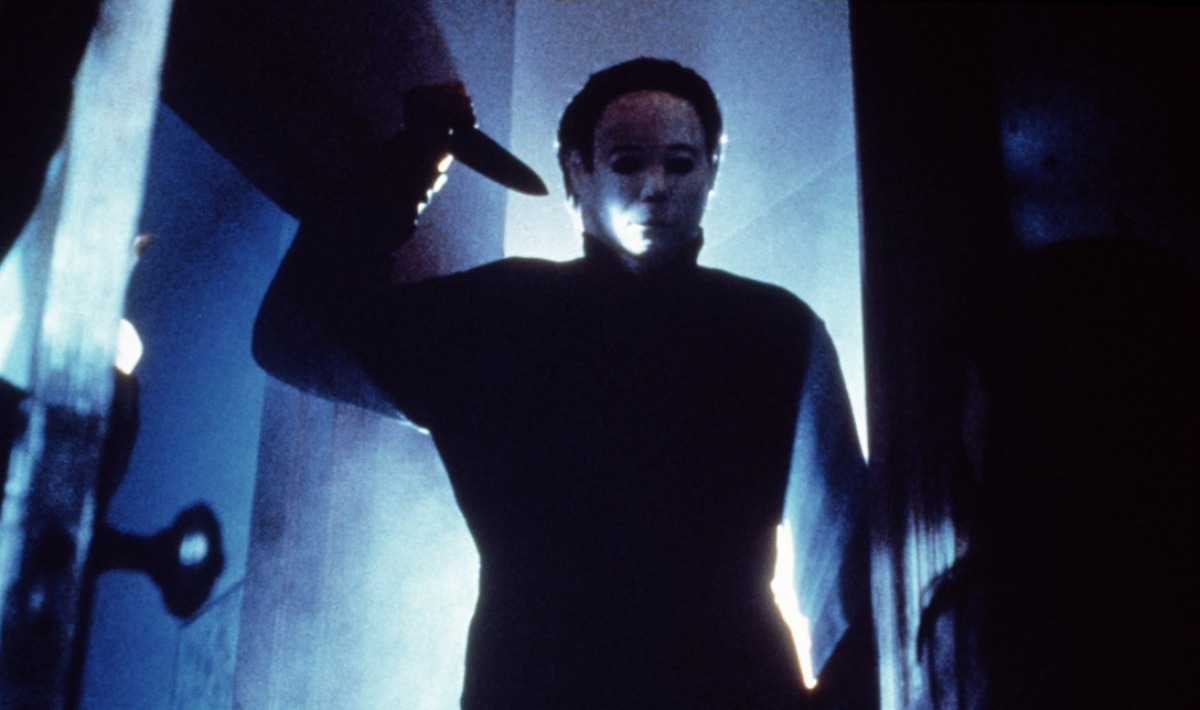
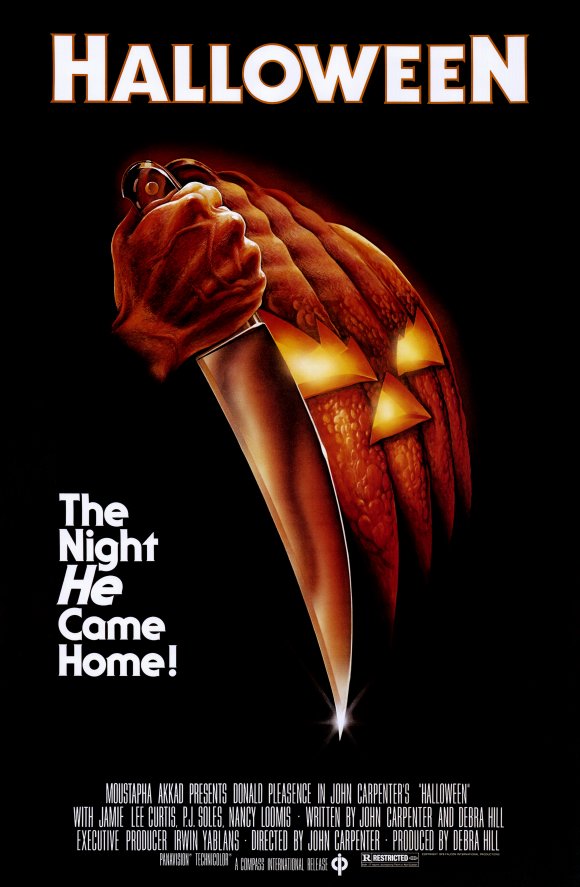
Synopsis – A suspenseful fight to the death between escaped child killer Michael Myers and the teenage girls of his home town, just remember that the best way to survive is to remain a virgin
Although considered one of the first slasher movies, Halloween is surprisingly tame in terms of blood and gore, instead, it’s the building suspense that makes this film a classic, giving the genre 99% of the codes & conventions that slashers followed for the 80s and 90s. One of the film’s strengths is its restraint; it relies on suspense and psychological terror rather than excessive gore. Myers’ enigmatic and emotionless presence makes him all the more terrifying. Jamie Lee Curtis delivers a breakout performance as the resourceful and relatable Laurie.
“Halloween” stands out not just for its groundbreaking scares but also for its exploration of the concept that evil can lurk in the most ordinary places. It’s a film that has left an indelible mark on horror cinema, spawning a franchise and countless imitators. Carpenter’s “Halloween” is a timeless classic that continues to thrill and terrify audiences, making it essential viewing for any fan of the horror genre.
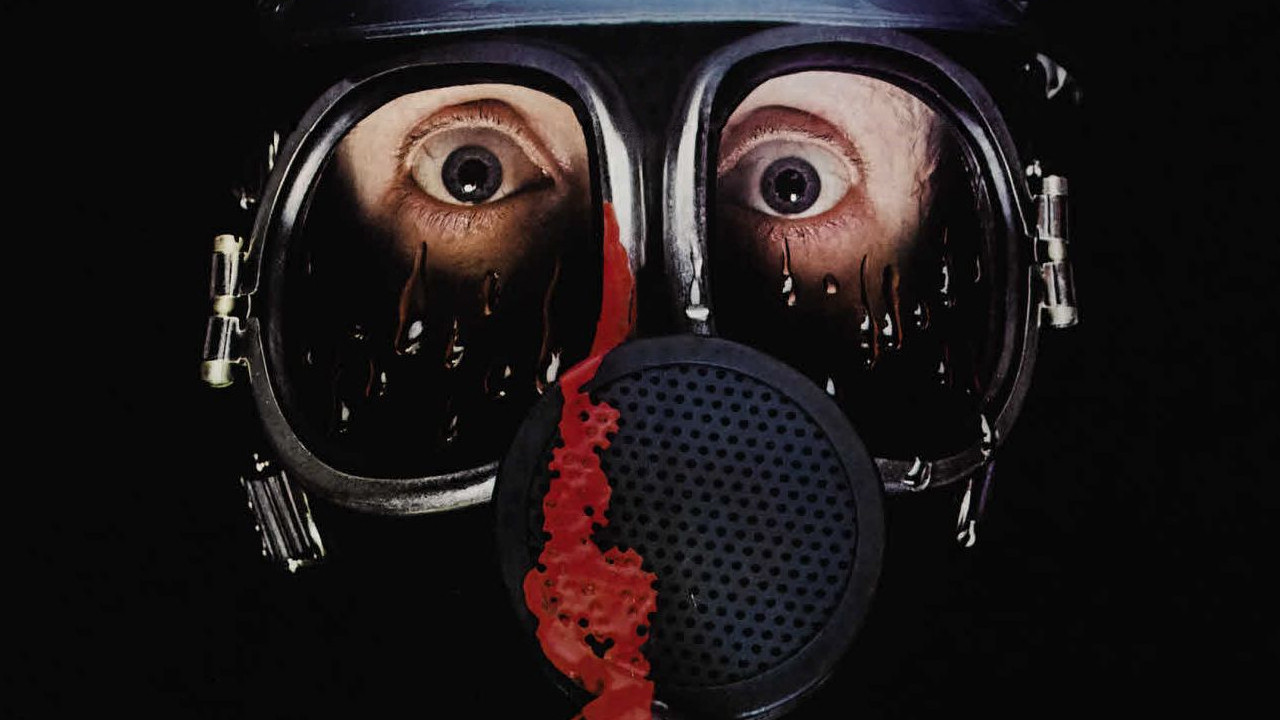
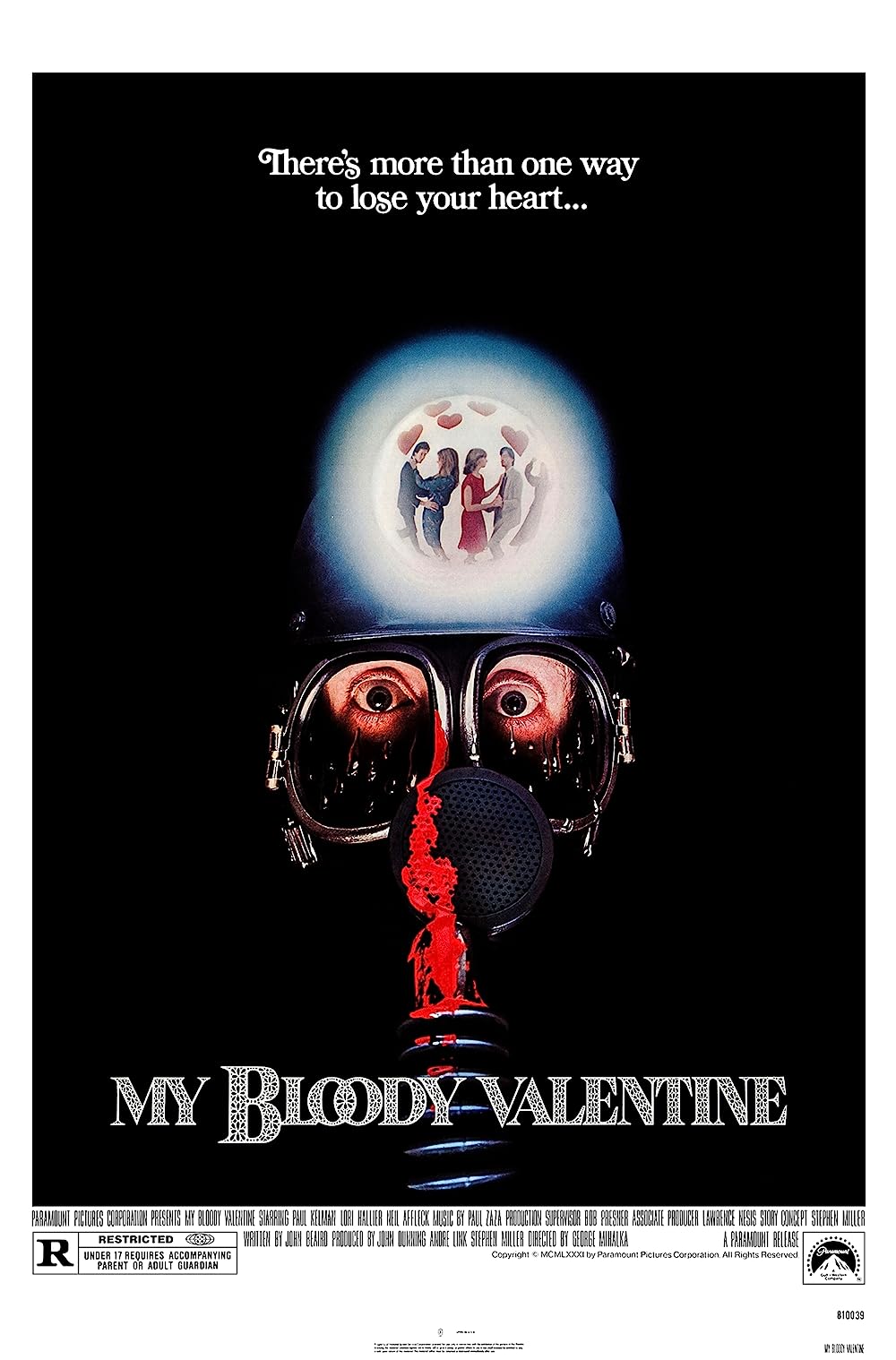
Synopsis – Set in the mining town of Valentine Bluffs, the story revolves around a masked killer known as “The Miner” who begins a gruesome murder spree just as the town is preparing to celebrate Valentine’s Day.
Coming at the height of the Canadian horror explosion, What sets this film apart is its unique setting and eerie atmosphere, as the underground tunnels of the mining town provide a claustrophobic and chilling backdrop for the suspenseful chase sequences. The movie also differed from the norm by swapping the expected victims from the usual teenage girls for the much more masculine coal miners.
The film effectively balances gory kills with suspenseful storytelling, keeping the audience on edge throughout. The identity of the killer remains a well-kept secret until the shocking climax, adding to the suspense.
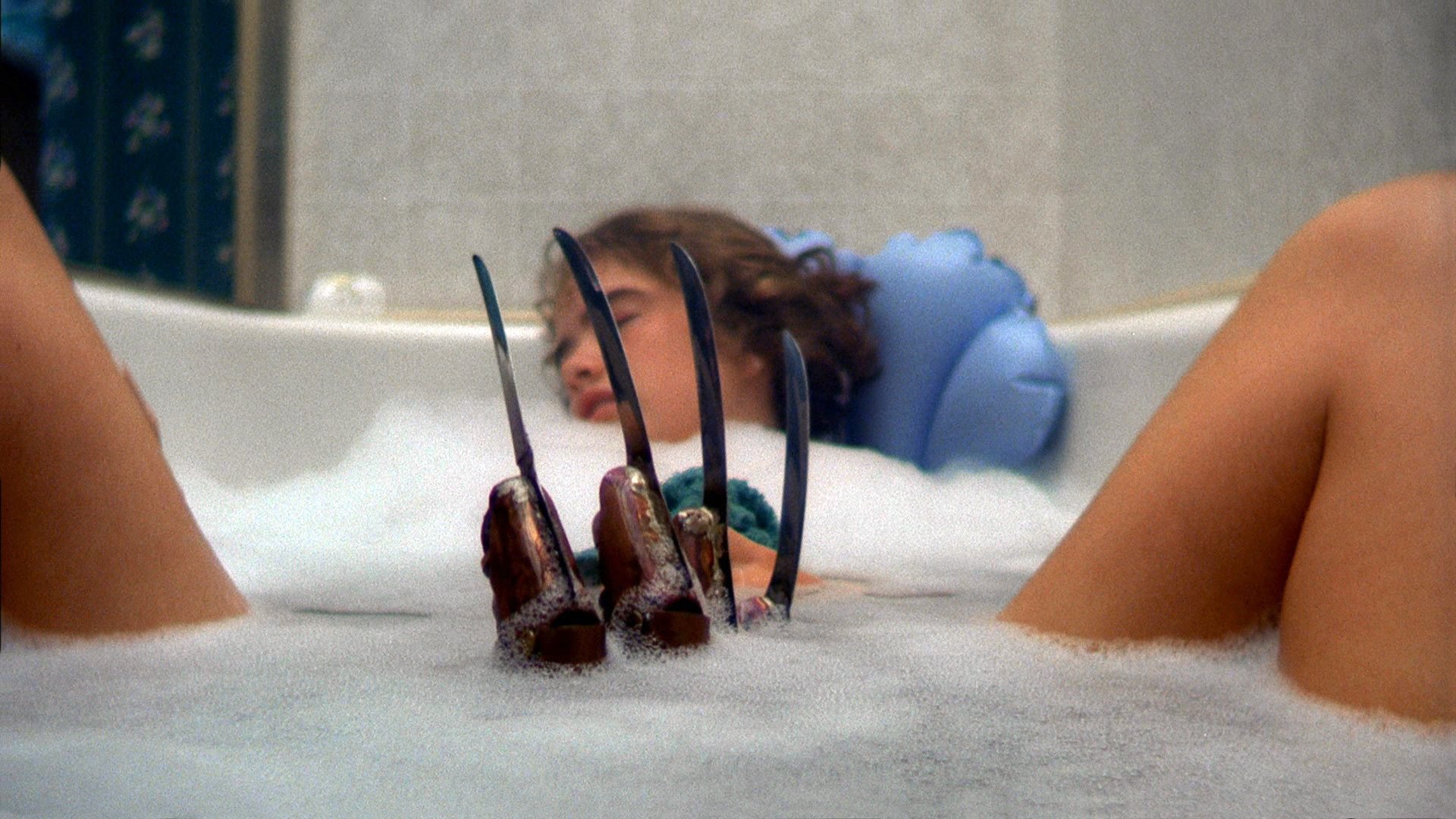

Synopsis – Set in the fictional town of Springwood, the story revolves around a group of teenagers who are haunted by a vengeful spirit named Freddy Krueger, a child killer burned alive by angry parents.
With by far the most iconic villain of the slasher genre, Freddy Krueger portrayed by Robert Englund, is a nightmarish figure with a dark sense of humour, making him both terrifying and oddly charismatic. Heather Langenkamp’s portrayal of Nancy, the film’s protagonist, adds depth and relatability to the story.
“A Nightmare on Elm Street” is a landmark in horror cinema, weaving a chilling narrative that explores the vulnerability of the human psyche when confronted with an unstoppable supernatural force. Its impact on the genre is immeasurable, and it continues to be a spine-tingling experience for both new and seasoned horror enthusiasts.


Synopsis – Set in the fictional town of Woodsboro, the film follows high school student Sidney Prescott (Neve Campbell) as she becomes the target of a masked killer who torments her and her friends.
What sets “Scream” apart is its clever deconstruction of horror movie tropes, with characters openly discussing and subverting the very rules of the genre they find themselves trapped in. The film’s self-awareness extends to its witty and often humorous dialogue, making it as much a satire of horror as a genuinely terrifying experience. The Ghostface killer, with its iconic mask, has become an enduring symbol of fear.
The cast, including Courteney Cox, David Arquette, and Drew Barrymore, delivers strong performances, adding depth to their characters. Neve Campbell shines as the resilient and resourceful Sidney.
“Scream” is a brilliant blend of horror and dark humour that pays homage to the genre while reinventing it. Its impact on horror filmmaking is immeasurable, spawning a successful franchise and inspiring a new generation of horror enthusiasts. It’s a must-see for anyone who appreciates smart, self-aware horror.
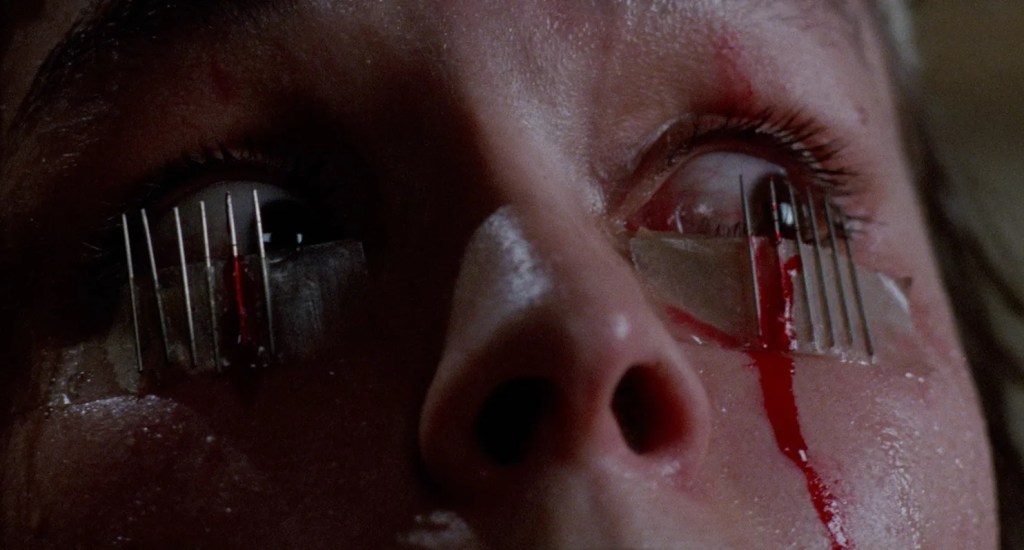

Synopsis – Betty (played by Cristina Marsillach), is a young opera singer who becomes the lead in a production of Verdi’s Macbeth. However, her life takes a dark turn as she becomes the target of a sadistic and mysterious killer who forces her to watch his gruesome murders through a gruesome contraption
The tension and suspense in “Opera” are palpable, and the film is rife with stylish set pieces and inventive murder sequences. Argento’s signature use of vibrant colours, elaborate set design, and a haunting score by Claudio Simonetti create a visually and aurally mesmerizing experience. The camera work, including the famous “phantom point of view” shots, adds to the film’s unsettling atmosphere.
While “Opera” may not be for everyone due to its graphic violence and convoluted narrative, it’s a must-see for fans of Italian horror and those who appreciate films that push the boundaries of traditional storytelling. It’s a mesmerizing and chilling descent into the depths of terror and obsession.

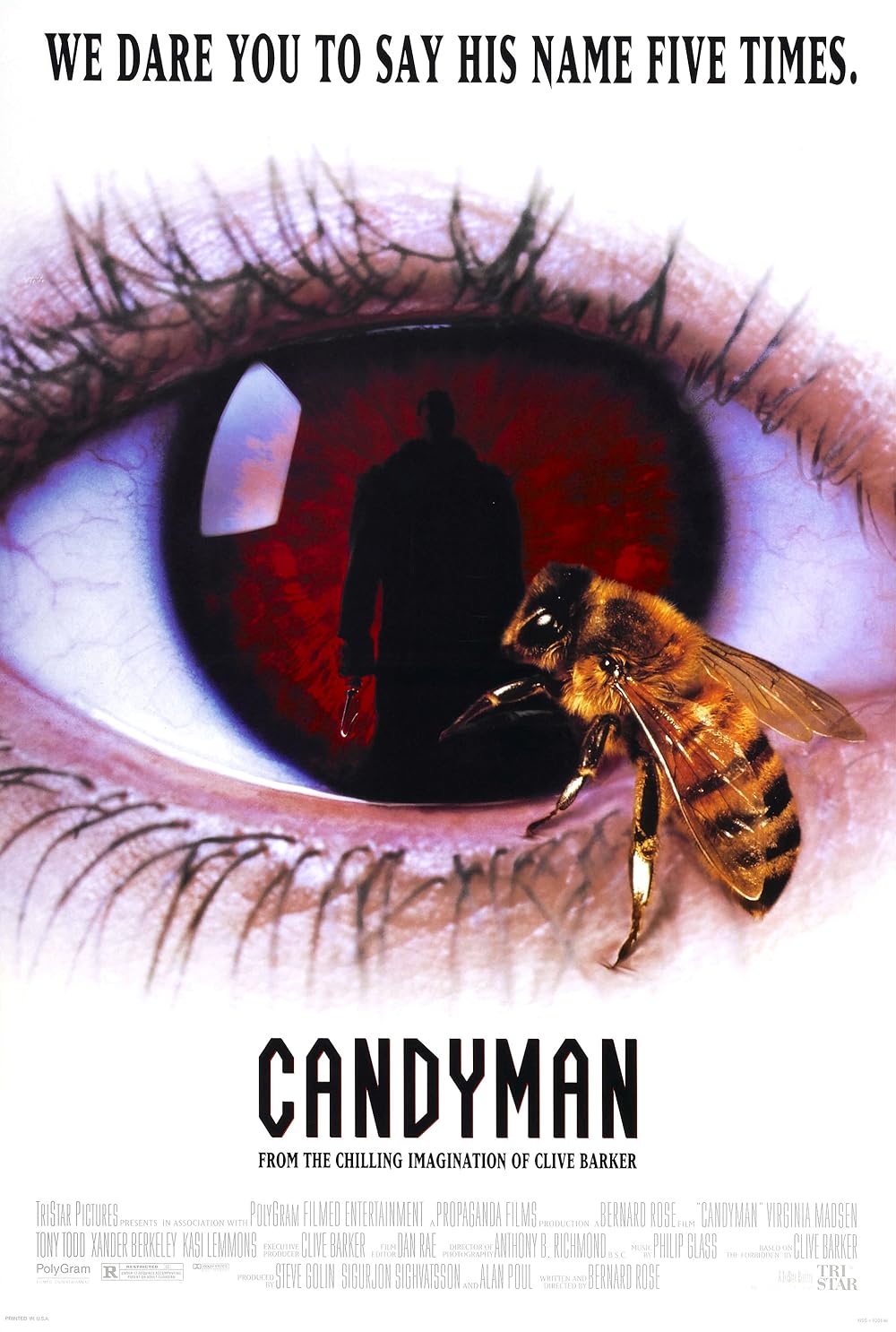
Synopsis – Set in the Cabrini-Green housing projects of Chicago, the story follows Helen Lyle (played by Virginia Madsen), a graduate student researching urban legends. She becomes obsessed with the legend of Candyman, a vengeful spirit with a hook for a hand who can be summoned by saying his name five times in front of a mirror. As Helen delves deeper into the legend, she finds herself drawn into a nightmarish world of violence and despair.
“Candyman” skillfully weaves a complex narrative, exploring themes of gentrification, systemic racism, and the power of folklore. The film’s haunting atmosphere is intensified by a hauntingly eerie score and masterful cinematography.
Virginia Madsen delivers a compelling performance as Helen, and Tony Todd’s portrayal of Candyman is both menacing and tragic, making him one of horror cinema’s most iconic figures.
“Candyman” is a horror film that transcends the genre, offering social commentary and psychological depth alongside its scares. It’s a haunting, relevant, and visually striking masterpiece that leaves a lasting impression and remains a must-see for horror aficionados and those interested in thought-provoking cinema.
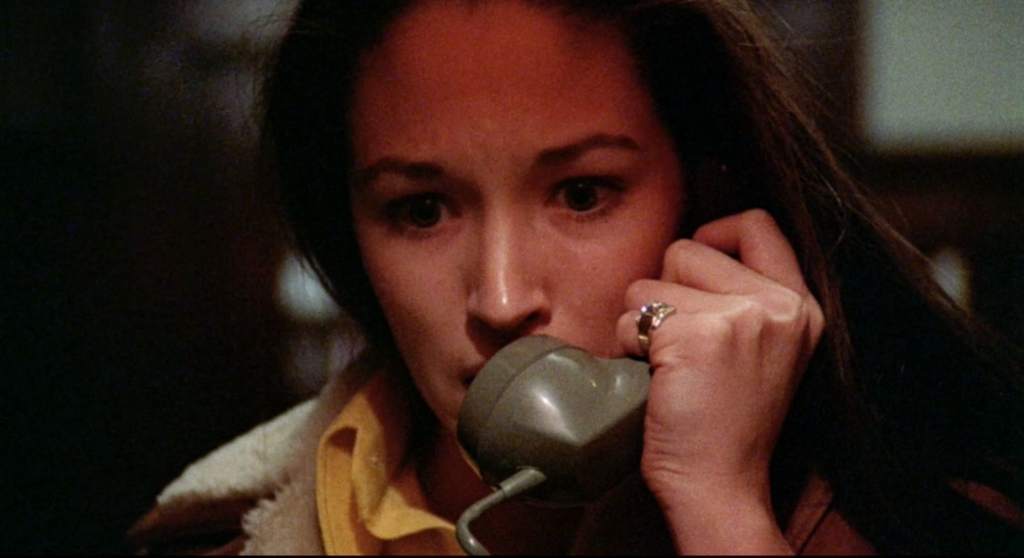
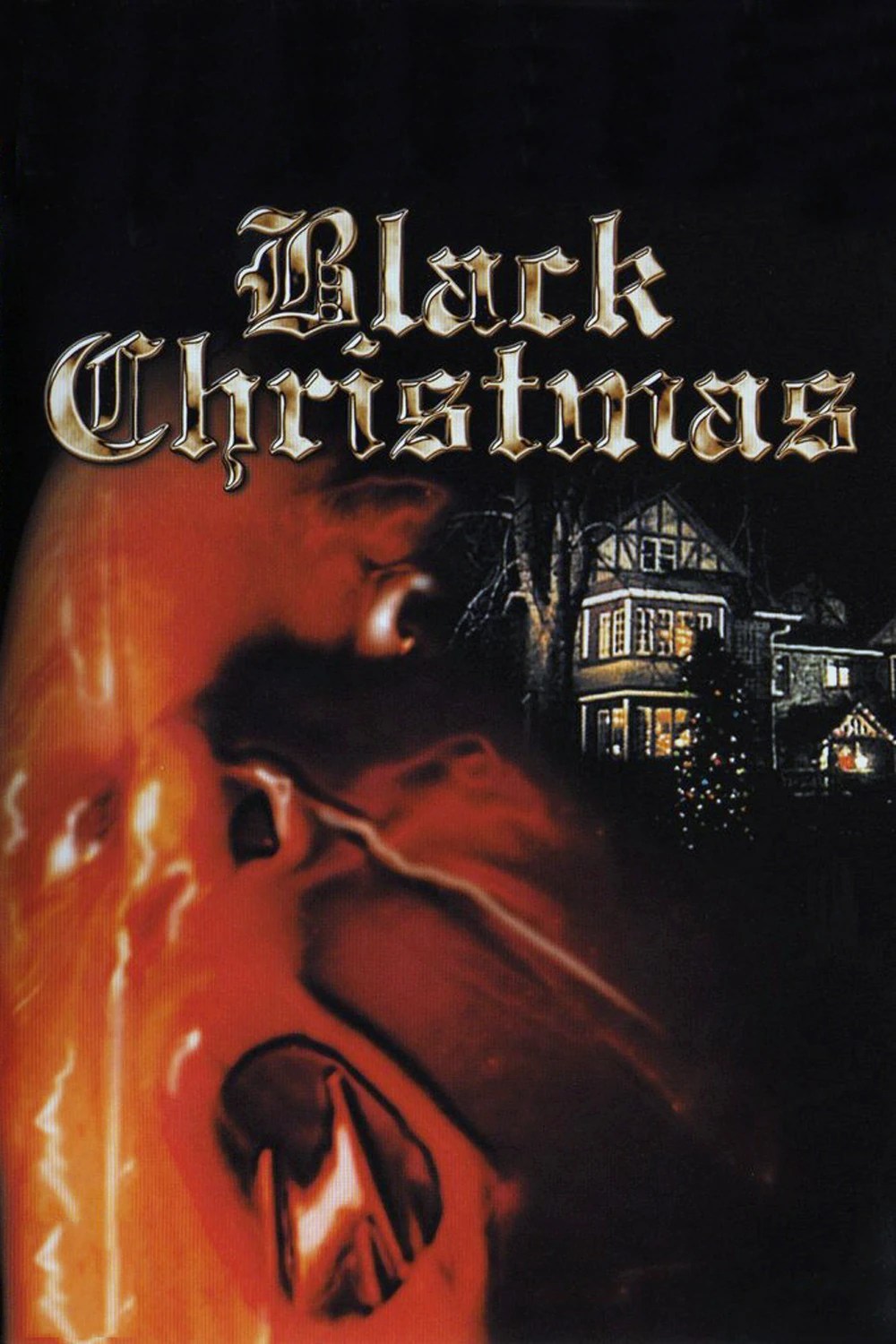
Synopsis – Set during the Christmas season at a sorority house, the film centres on a series of unsettling and increasingly sinister anonymous phone calls that escalate into a horrifying series of murders.
The film excels at creating a sense of isolation and dread within the sorority house, and its portrayal of female characters as independent and resourceful is notable for its time. The cast, including Olivia Hussey and Margot Kidder, delivers strong performances.
“Black Christmas” is known for its ambiguity and refusal to provide easy answers, which adds to its eerie and unsettling nature. Its influence can be seen in later horror classics like “Halloween” and “Scream.”
While some may find the film’s pacing slower by contemporary standards, “Black Christmas” remains a classic that deserves recognition for its impact on the horror genre and its ability to create a sense of fear and unease that lingers long after the credits roll.
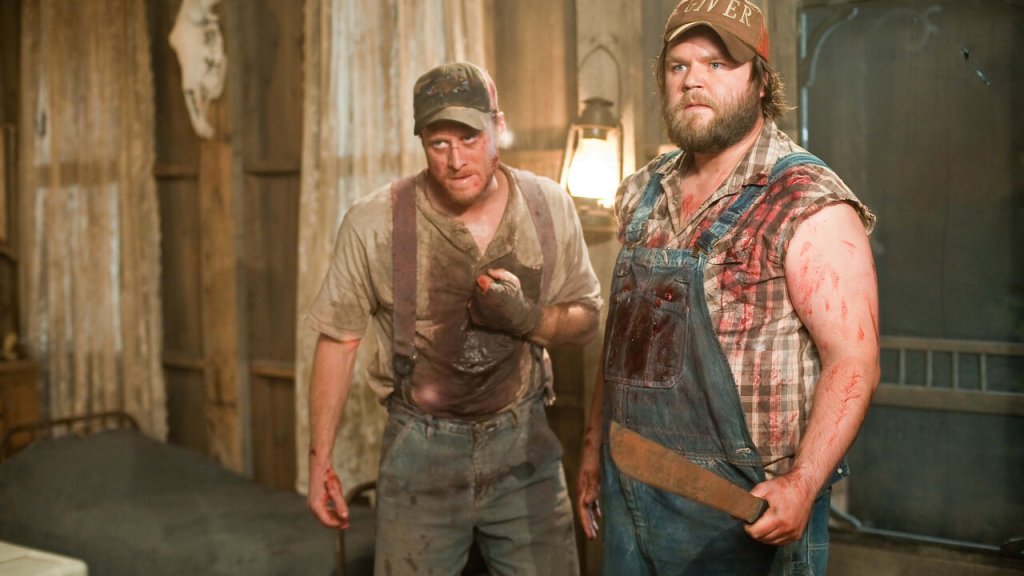

Synopsis – Tucker and Dale, played by Alan Tudyk and Tyler Labine, who embark on a vacation to their newly acquired “fixer-upper” cabin in the woods. However, their innocent intentions are misinterpreted by a group of college students camping nearby, leading to a series of accidental deaths that the students assume are the result of Tucker and Dale’s murderous intent.
“Tucker and Dale vs. Evil” is one of the fue horror-comedies that works on both levels, filled with subversion of stereotypes and expectations. It skillfully blends gruesome horror tropes with laugh-out-loud humour, delivering a relentless barrage of gags and absurd situations that keep audiences entertained throughout.
The chemistry between Tudyk and Labine is the heart of the film, and their endearing characters make it easy to root for them despite the chaos that ensues. The film also offers a satirical commentary on prejudice and miscommunication.
“Tucker and Dale vs. Evil” is a hidden gem that’s perfect for fans of horror and comedy alike. It’s a brilliantly executed, genre-bending film that offers a unique and uproarious twist on traditional horror conventions.

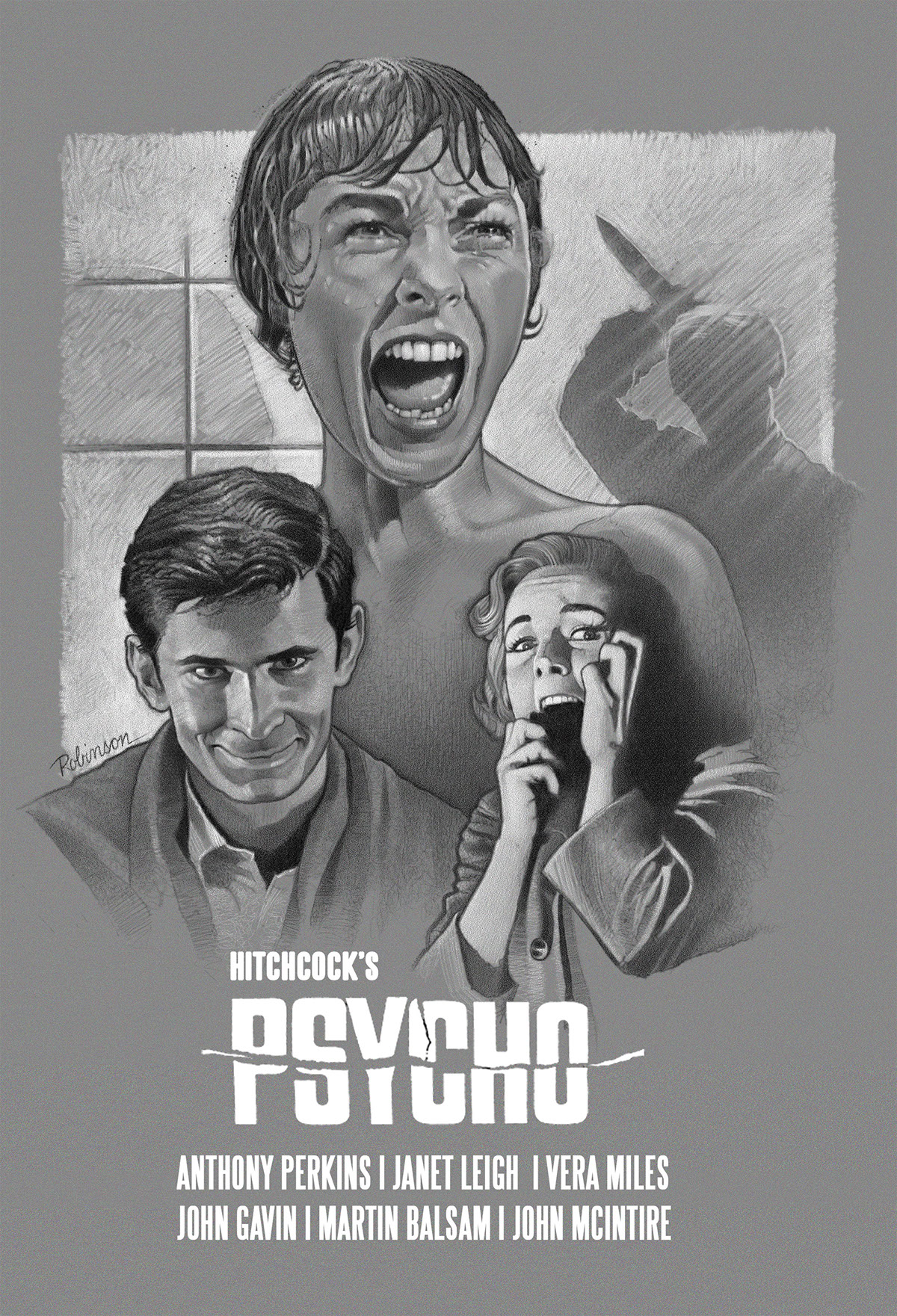
Synopsis – Marion Crane (played by Janet Leigh), is a secretary who embezzles money and ends up at the secluded Bates Motel during a rainstorm. There, she encounters the enigmatic Norman Bates (Anthony Perkins) and his unsettling relationship with his mother.
Hitchcock masterfully lulls viewers into a false sense of security before delivering one of the most shocking and iconic scenes in cinematic history, the infamous shower scene.
Hitchcock’s direction is a lesson in suspense and tension-building, and Bernard Herrmann’s haunting score amplifies the eerie atmosphere. Anthony Perkins delivers a career-defining performance as the disturbed Norman Bates, and his portrayal of a seemingly harmless man with a dark secret is both chilling and sympathetic.
“Psycho” is a psychological rollercoaster that explores themes of identity, obsession, and the thin line between sanity and madness. It remains a cinematic benchmark, influencing countless filmmakers and setting a standard for horror that few have equalled. For anyone seeking a truly spine-tingling cinematic experience, “Psycho” is an absolute must-watch.
In conclusion, slasher movies have carved out a lasting niche in the world of cinema. Their ability to evoke fear and tension, explore societal fears and taboos, and adapt to changing cultural contexts has kept them relevant and compelling for generations of horror enthusiasts. Whether you’re a fan of the classics or the genre’s modern iterations, slasher movies continue to offer a chilling and thought-provoking cinematic experience.

 Roses Have Thoughts
Leave a comment