
Synopsis- In the city of the future, wealthy industrialists reign from their ivory towers while the workers toil away. However, a leader’s decision to enlist a mad scientist could lead the city to ruin.
Director- Fritz Lang
Cast- Brigitte Helm, Gustav Fröhlich, Alfred Abel
Released- 1927
Fritz Lang’s Metropolis is a film that looms large in the history of cinema, a grand, towering vision of dystopia that has influenced generations of filmmakers, from Ridley Scott to George Lucas. It is a staggering work of scale and ambition, a masterpiece of silent film that pushes the medium to its limits, both technically and thematically. However it is not without its flaws. Chief among them is a tendency toward melodramatic excess. Metropolis remains an extraordinary achievement in cinematic world-building and visual spectacle. It’s an almost perfect film, one that dazzles even as its social message occasionally falters under the weight of its own grandiosity.

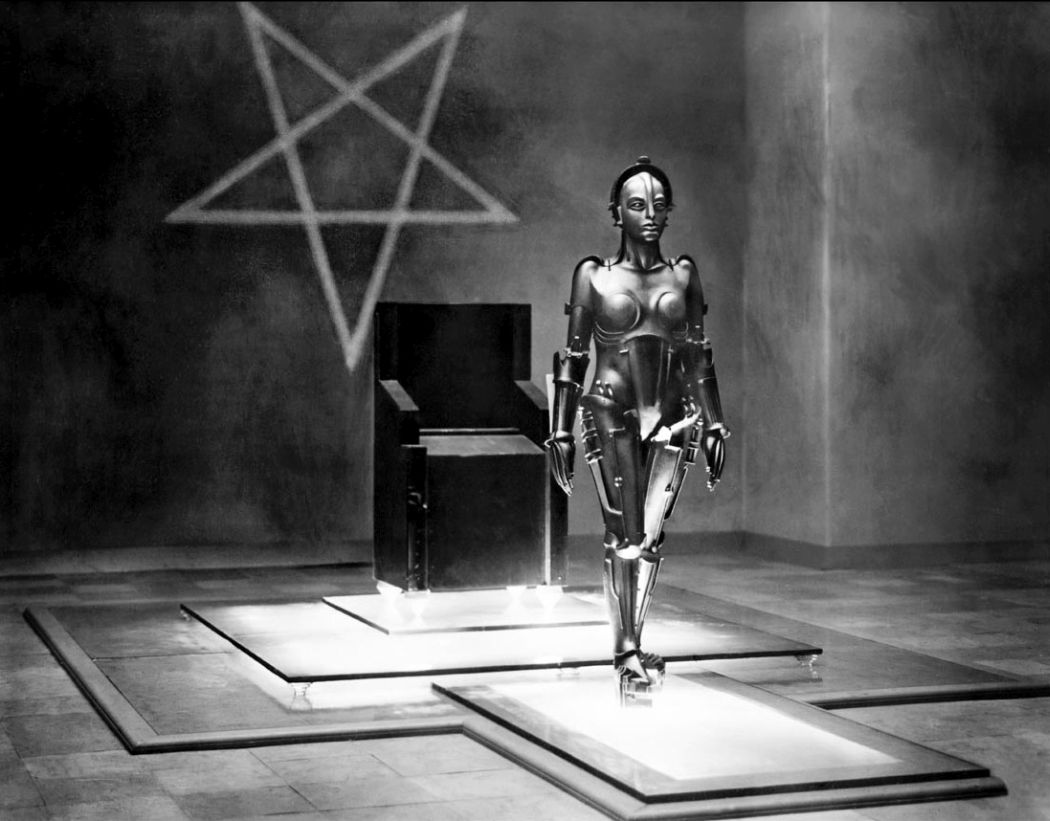
Set in a futuristic city where the wealthy elite live in luxurious towers while the working class toils underground, Metropolis is a film of stark contrasts and bold ideas. The plot revolves around Freder (Gustav Fröhlich), the son of the city’s autocratic ruler Joh Fredersen (Alfred Abel), who discovers the harsh conditions of the workers below and becomes drawn into their struggle for equality. At the centre of this is Maria (Brigitte Helm), a saint-like figure who preaches peace, and her mechanical double, a robotic femme fatale that incites chaos and rebellion.
Visually, Metropolis is nothing short of astonishing. Lang’s use of miniatures, matte paintings, and elaborate sets creates a world that feels both monumental and claustrophobic. The city itself, an art deco, machine-age vision of towering skyscrapers and labyrinthine factories, is one of the most iconic in all of cinema. The production design is so intricate, so meticulously constructed, that it feels like a living, breathing entity, a dark mirror of the industrial age. The famous shot of workers marching in unison, heads bowed as they descend into the factory, is as haunting today as it was nearly a century ago.
But Metropolis is not just a triumph of art direction. It is also a film that wears its social commentary on its sleeve, sometimes to the point of overstatement. The central conflict between the elites and the workers, symbolized by the film’s famous slogan “The mediator between the head and the hands must be the heart” is presented in broad strokes, lacking subtlety. The film’s final act, where the warring factions are united through Freder’s messianic role as the “mediator,” feels overly simplistic, especially given the complexities of the class struggle that Lang so powerfully depicts.
Despite this, Metropolis is a film that resonates on an emotional and visceral level. Brigitte Helm’s dual performance as both the virtuous Maria and her robotic counterpart is electrifying. As the robot, she is seductive and menacing, embodying the fears of unchecked technology and sexual liberation in one unforgettable performance. The film’s themes of class division, the dangers of dehumanizing labour, and the consequences of technological progress are as relevant today as they were in the 1920s, perhaps even more so.

At times, the melodrama feels excessive, with characters gesticulating wildly, as was common in silent films of the era. But there is an operatic quality to Metropolis that justifies this theatricality. The emotional highs and lows, the sweeping score, and the sheer grandeur of its vision, all add up to a film that is not only a historical landmark but a living, breathing work of art.
In the end, Metropolis is an extraordinary achievement, a film that paved the way for science fiction in cinema and remains a benchmark of visual storytelling. Its narrative might waver, but its impact, both visually and thematically remains indelible. For anyone interested in the origins of modern cinema, Metropolis is essential viewing, a film that still feels futuristic in all the right ways.
 Roses Have Thoughts
Leave a reply to The Beauty of Black & White Cinema – Roses Have Thoughts Cancel reply