
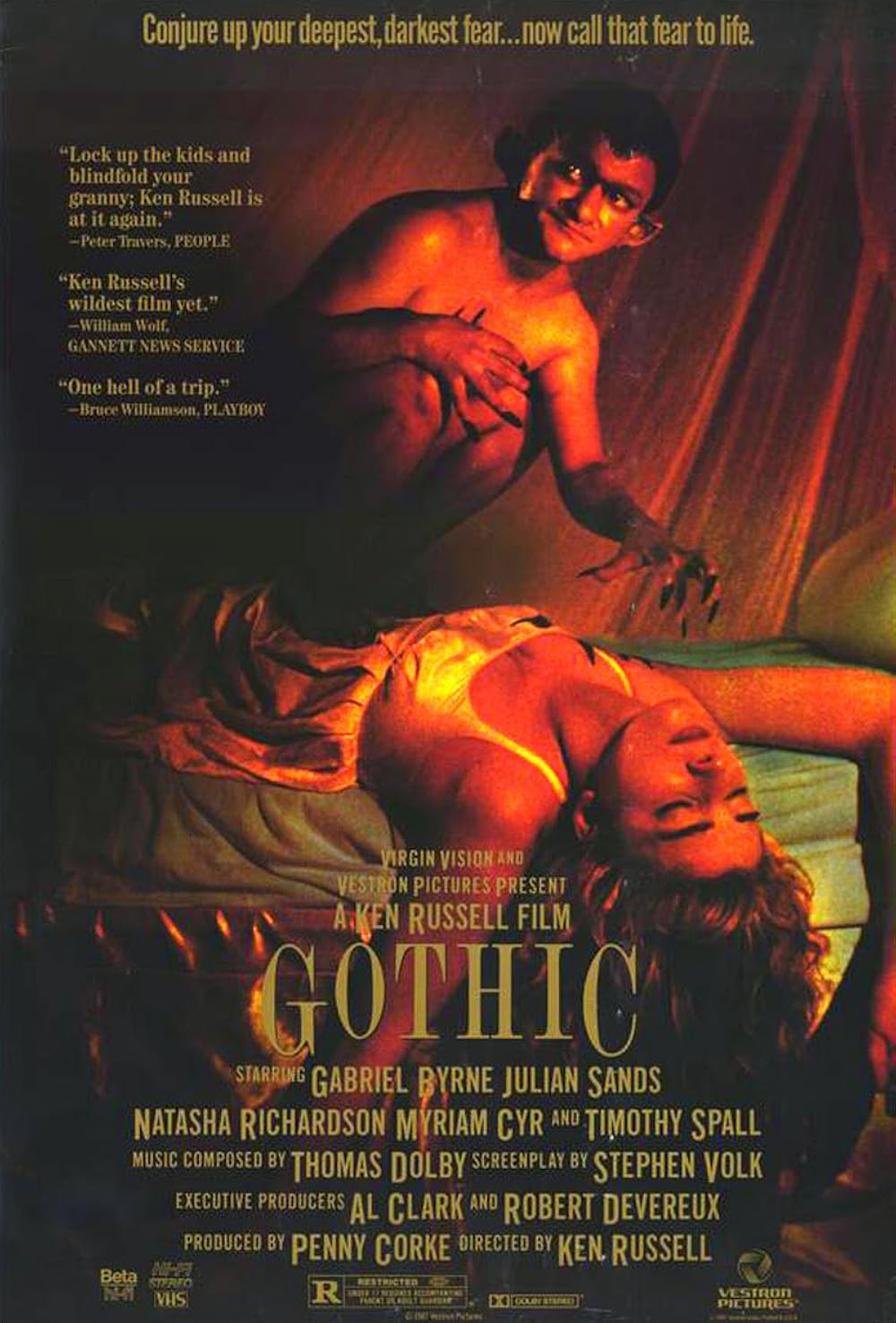
Synopsis- Story of the night that Mary Shelley gave birth to the horror classic ‘Frankenstein’ and she found herself drawn into the sick world of her lover Shelley and cousin Claire.
Director- Ken Russell
Cast- Gabriel Byrne, Natacha Richardson, Julian Sands, Timothy Spall
Released- 1986
Ken Russell’s Gothic is an ambitious fever dream that takes its audience through a surreal, sometimes overwrought, descent into madness. Inspired by the infamous night in 1816 when Mary Shelley conceived the idea for Frankenstein, the film imagines the chaos and psychological torment faced by the iconic writers during their stay at Lord Byron’s estate. While visually arresting and rich with operatic energy, Gothic often feels more like an indulgent experiment in hysteria than a coherent narrative.

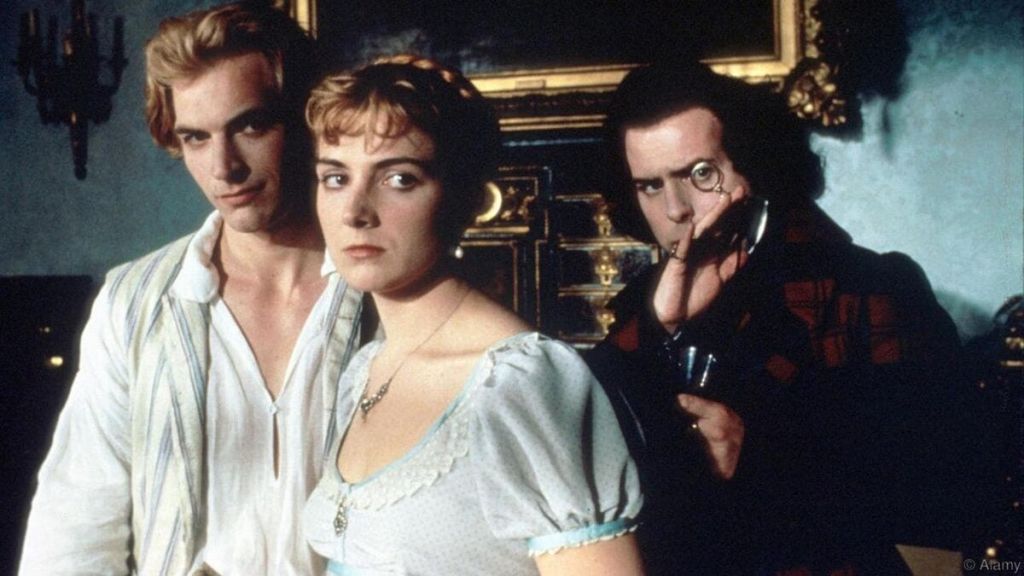
Set over a single night at Byron’s Villa Diodati, Gothic introduces us to the famed personalities who are central to this literary lore: Lord Byron (Gabriel Byrne), Percy Bysshe Shelley (Julian Sands), Mary Godwin (Natasha Richardson), her stepsister Claire Clairmont (Myriam Cyr), and the often-overlooked Dr. John Polidori (Timothy Spall). Russell transforms the villa into a claustrophobic, almost living entity, trapping the characters in a labyrinth of their own desires, fears, and obsessions. It’s the ultimate stage for a horror film, but here, the horror is largely psychological, rooted in drug-induced paranoia and repressed sexuality.
From the outset, it’s clear Russell is not interested in historical accuracy. Instead, he weaves a nightmarish tapestry of sexual tension, grotesque hallucinations, and frenzied energy. This is no genteel portrait of Romanticism; Gothic revels in the darker side of the poets’ imagination. The film taps into their intellectual freedom and pushes it to its extremes, but in doing so, it becomes untethered from any emotional grounding. As a result, the characters frequently feel like caricatures, representing wild, unchecked impulses rather than fully realized human beings.
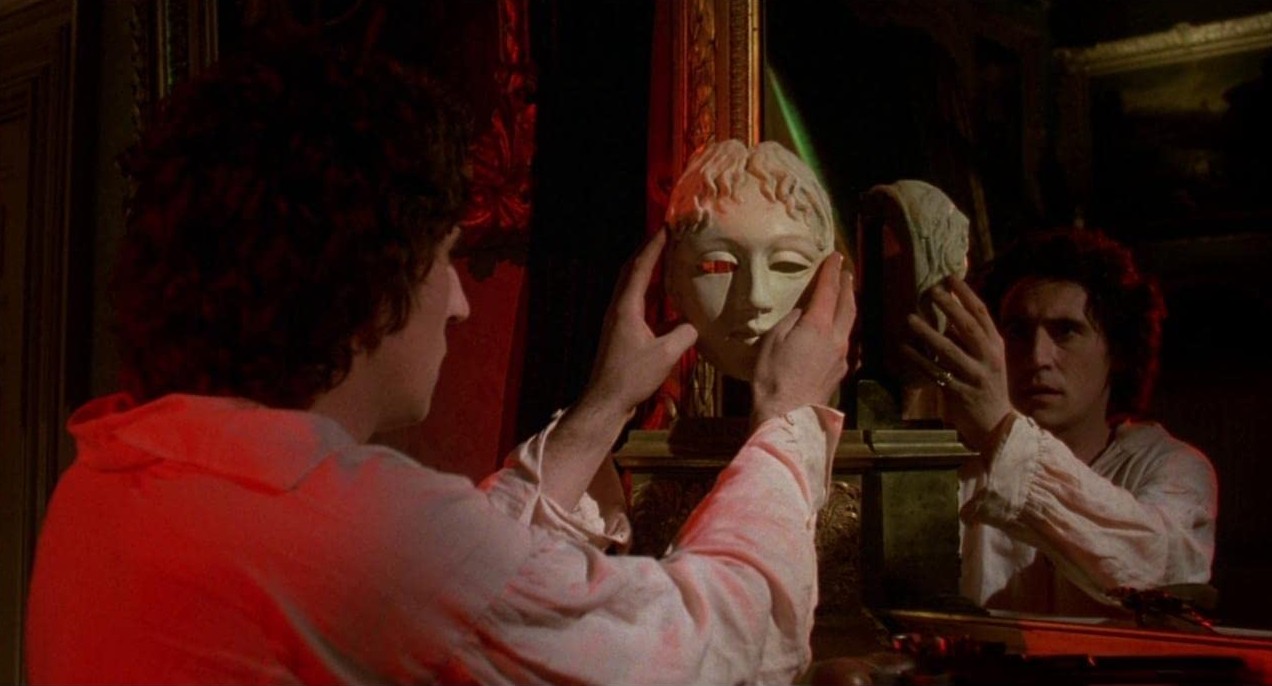
Gabriel Byrne’s Lord Byron is magnetic and menacing, straddling the line between charismatic and dangerously unhinged. His performance captures the film’s erratic tone, oscillating between arrogance, passion, and vulnerability. Natasha Richardson’s Mary is the emotional core, though she’s often overshadowed by the sheer noise of everything else. Her performance hints at the brilliance and tragedy that would shape Frankenstein, but the film rarely gives her the space to fully explore this, focusing instead on the chaos around her.
What stands out most in Gothic is its visual flair. Russell, known for his bombastic style, pulls no punches here. The film is an assault on the senses, filled with lurid colours, dramatic shadows, and surreal, often disturbing imagery. There’s a palpable intensity to every frame, a manic energy that suits the story’s descent into madness. The cinematography by Mike Southon enhances the feeling of unease, particularly in the claustrophobic confines of the villa. Yet, despite this visual prowess, the film’s frenetic pacing often works against it. It’s hard to connect with the characters or their emotional struggles when everything is turned up to eleven.

The screenplay, penned by Stephen Volk, offers moments of wit and insight, but it’s often drowned out by Russell’s overwhelming stylistic choices. There are glimpses of deeper psychological exploration—of the fears and traumas that shaped the works of Shelley, Byron, and Polidori—but these moments are fleeting, lost in the chaotic whirlwind of horror and hysteria.
In conclusion, Gothic is a visually striking but uneven film. Its excesses are both its greatest asset and its downfall. Ken Russell’s vision is undeniably bold, but in his relentless pursuit of madness, the film sacrifices emotional depth and coherence. It’s a fascinating watch for those interested in its subject matter or in Russell’s flamboyant style, but it falls short of being a truly satisfying exploration of the Romantic imagination. Gothic is a chaotic, flawed, yet undeniably memorable ride through the dark corners of literary history.
 Roses Have Thoughts
Leave a comment