
Synopsis- In a remote Latin American town, four desperate men accept a perilous mission to transport volatile nitroglycerin through treacherous terrain, risking their lives for a chance at salvation.
Director- Henri-Georges Clouzot
Cast- Charles Vanel, Yves Montand, Peter van Eyck, Folco Lulli
Released- 1953
With William Friedkin’s Sorcerer being one of my favourite cinematic experiences, it shouldn’t come as much surprise that I found Henri-Georges Clouzot’s The Wages of Fear, which is based on the same source material to also be a masterclass in sustained tension, a film that grips its audience from start to finish with relentless suspense and raw human drama. Stripping its characters of pretension and placing them in a life-or-death struggle, Clouzot delivers a visceral tale of courage, greed, and survival.
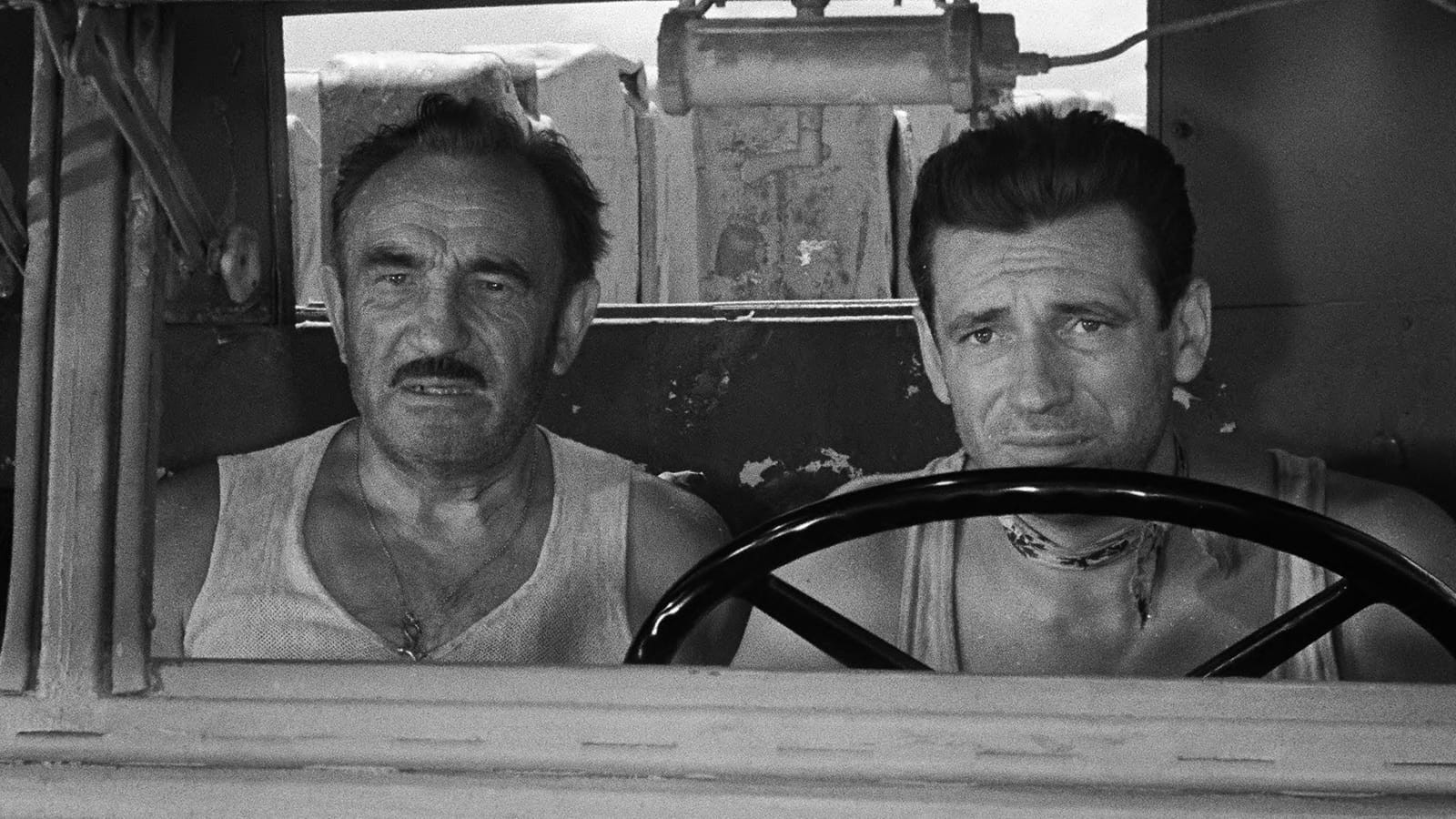
The story unfolds in a dusty, desolate South American village, where impoverished men from various walks of life languish, unable to escape their dire circumstances. When an American oil company offers a hefty sum to transport nitroglycerin, so unstable it could explode at the slightest jolt—the chance for salvation pits them against their own fears and moralities.
Clouzot takes his time setting the stage, devoting the first hour to immersing viewers in the squalor and despair of the town, ensuring that each of the four main characters; Mario (Yves Montand), Jo (Charles Vanel), Bimba (Peter van Eyck), and Luigi (Folco Lulli)—is fully realized. This slow build pays off, as the audience becomes emotionally invested in these men before their harrowing journey begins.

Once the trucks hit the road, the tension becomes nearly unbearable. Clouzot’s direction is ruthlessly efficient, transforming ordinary obstacles, sharp turns, rickety bridges, and stretches of rugged terrain into heart-stopping set pieces. The ever-present threat of nitroglycerin creates an atmosphere of near-constant dread, amplified by meticulous sound design and stark cinematography that captures both the oppressive heat and the physical toll on the drivers.
The film is more than just a thriller; it’s a searing critique of exploitation and capitalism. The oil company’s disregard for the men’s lives underscores the themes of desperation and expendability, making the film resonate far beyond its nerve-wracking sequences.
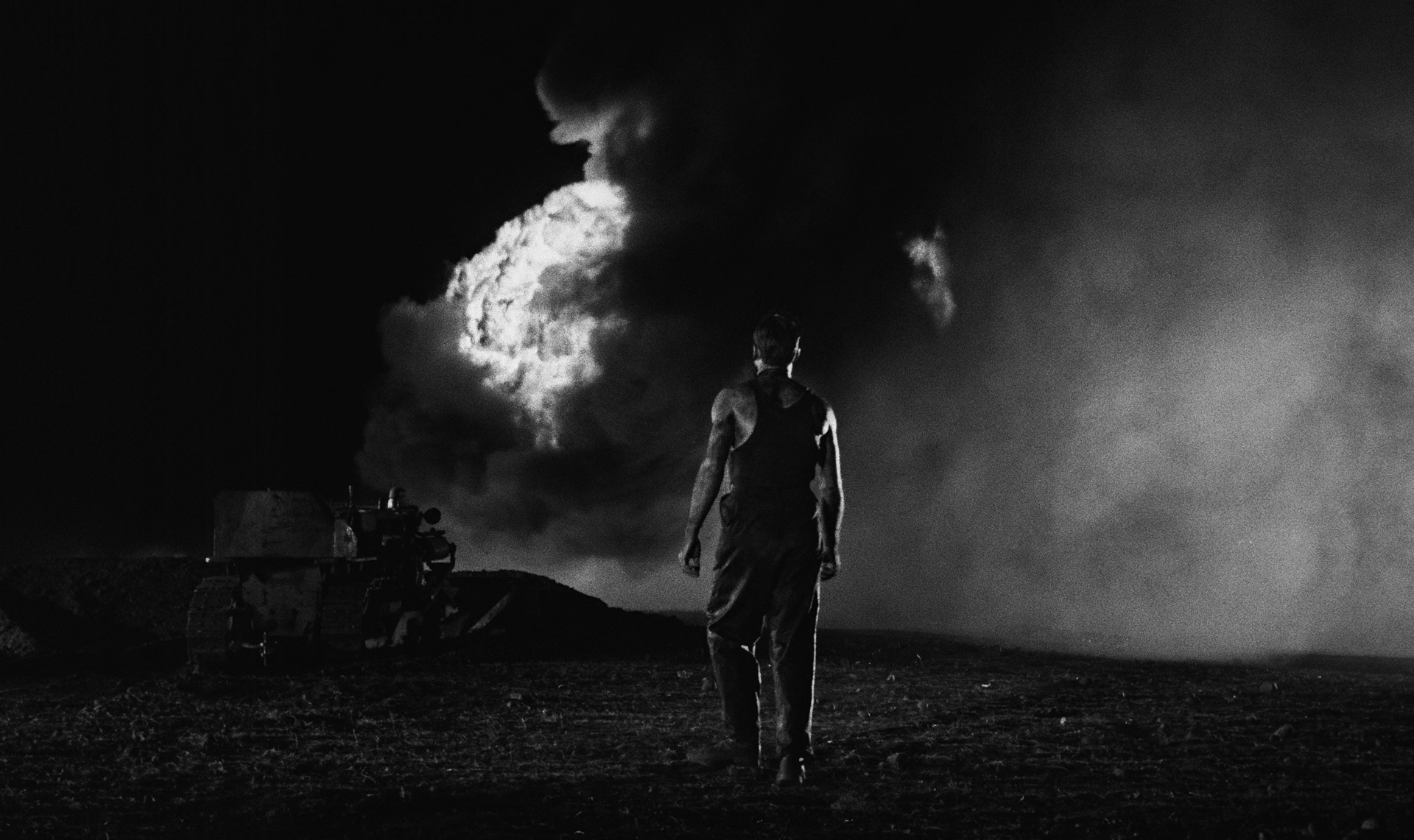
If The Wages of Fear has a flaw, it is its almost merciless bleakness. While it captures human resilience and determination, it also leaves the audience contemplating the fragility of life and the futility of ambition.
With its unrelenting suspense and profound thematic depth, Clouzot’s film stands as one of the great cinematic achievements. Few movies can so masterfully blend pulse-pounding action with existential reflection, making The Wages of Fear a riveting and unforgettable experience.
 Roses Have Thoughts
Leave a reply to Bafta Loved It: Best Picture Winners (1946 – Today) – Roses Have Thoughts Cancel reply