
Synopsis- Betrayed Roman general Maximus rises as a gladiator, seeking vengeance against Emperor Commodus, who destroyed his family, in a visually stunning, emotionally charged tale of honour, revenge, and redemption.
Director- Ridley Scott
Cast- Russell Crowe, Joaquin Phoenix, Connie Nielsen
Genre- Action | Adventure | Historical
Released- 2000
With it’s long awaited sequel finally hitting the big screen, I decided it was time to revisit Ridley Scott’s Gladiator and see if its still the epic masterpiece that resurrected the sword-and-sandal genre. With a vigour and emotional depth rarely seen in historical dramas, Gladiator combining breath-taking visuals, a commanding lead performance, and a timeless narrative of revenge and redemption, Scott crafts a film that is as operatic as it is intimate, earning its place among cinema’s great historical epics.

Russell Crowe delivers a career-defining performance as Maximus Decimus Meridius, a once-loyal Roman general betrayed by the corrupt Commodus (Joaquin Phoenix), who ascends to the throne after murdering his father, Emperor Marcus Aurelius. Crowe imbues Maximus with a quiet intensity, portraying a man whose grief and loss drive him to seek justice. His commanding screen presence anchors the film, making Maximus both a larger-than-life hero and a deeply relatable figure.
Joaquin Phoenix, as Commodus, delivers a chilling portrayal of unchecked ambition and moral decay. Commodus is no mere antagonist; he is a complex villain driven by insecurity and a desperate need for validation. Phoenix’s performance is magnetic, capturing the character’s fragile humanity while never diminishing his menace.

Ridley Scott’s direction is nothing short of masterful. From the haunting beauty of the Germanic battlefields to the grandeur of Rome’s Colosseum, Scott brings the ancient world to life with meticulous attention to detail. Cinematographer John Mathieson’s use of light and shadow enhances the film’s visual splendour, while Hans Zimmer and Lisa Gerrard’s iconic score evokes both the epic scale of the story and its intimate emotional core.
The film’s pacing is impeccable, balancing high-stakes action with quieter moments of reflection. The gladiatorial combat sequences are brutal and thrilling, showcasing Scott’s skill in staging large-scale action while keeping the focus on character. These scenes are as much about Maximus’s inner journey as they are about physical spectacle, making each battle feel meaningful.
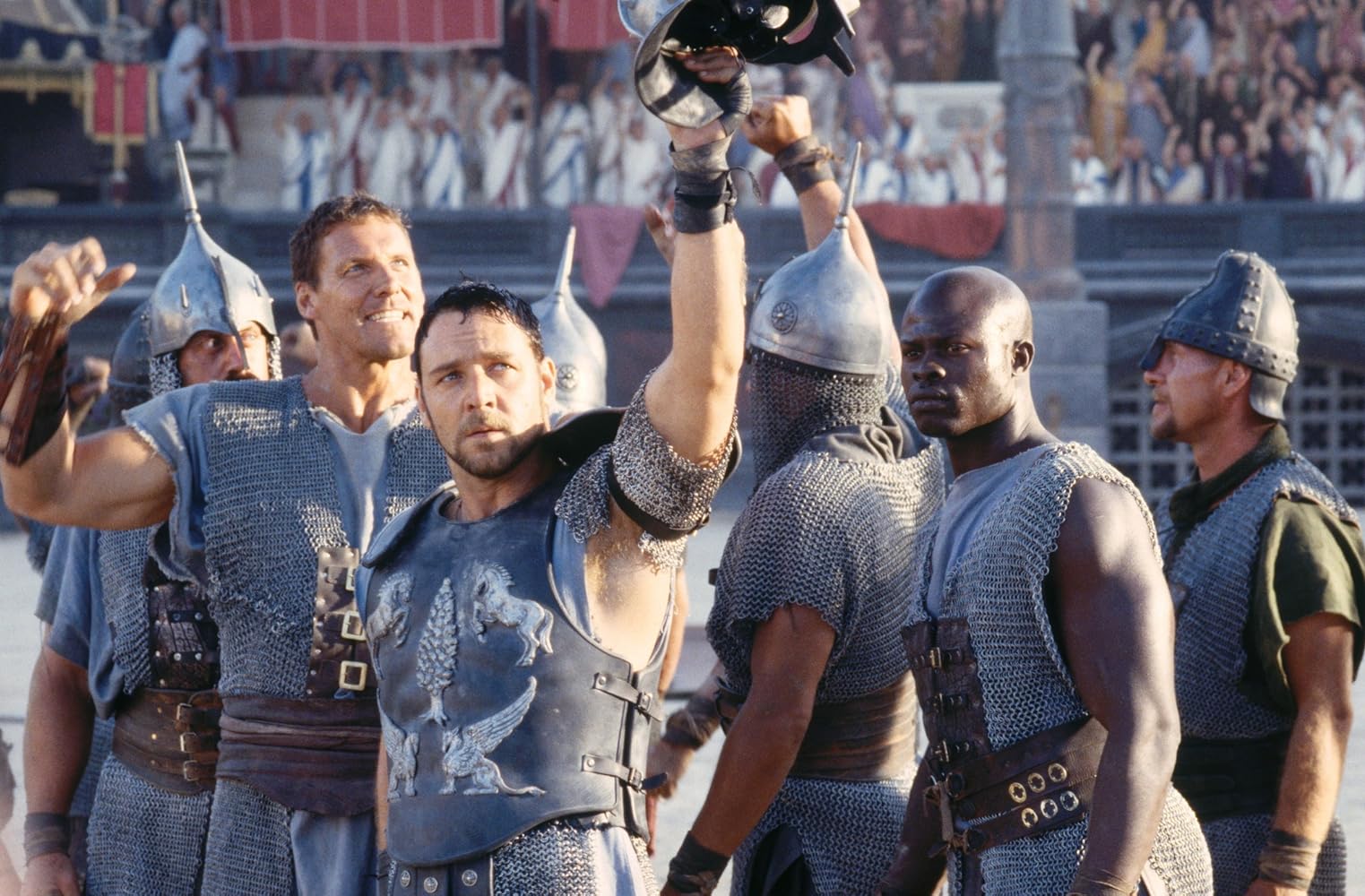
Beyond its action and intrigue, Gladiator resonates because of its universal themes of loyalty, betrayal, and the enduring human spirit. Maximus’s journey from celebrated general to enslaved gladiator and, ultimately, to a figure of hope and defiance transcends the historical setting, making the film a timeless story of resilience.
If Gladiator has any flaws, they are minor. Some may find the story’s emotional beats familiar, but this familiarity only enhances the film’s mythic quality. It’s a tale as old as storytelling itself, retold with an artistry and passion that make it feel new.
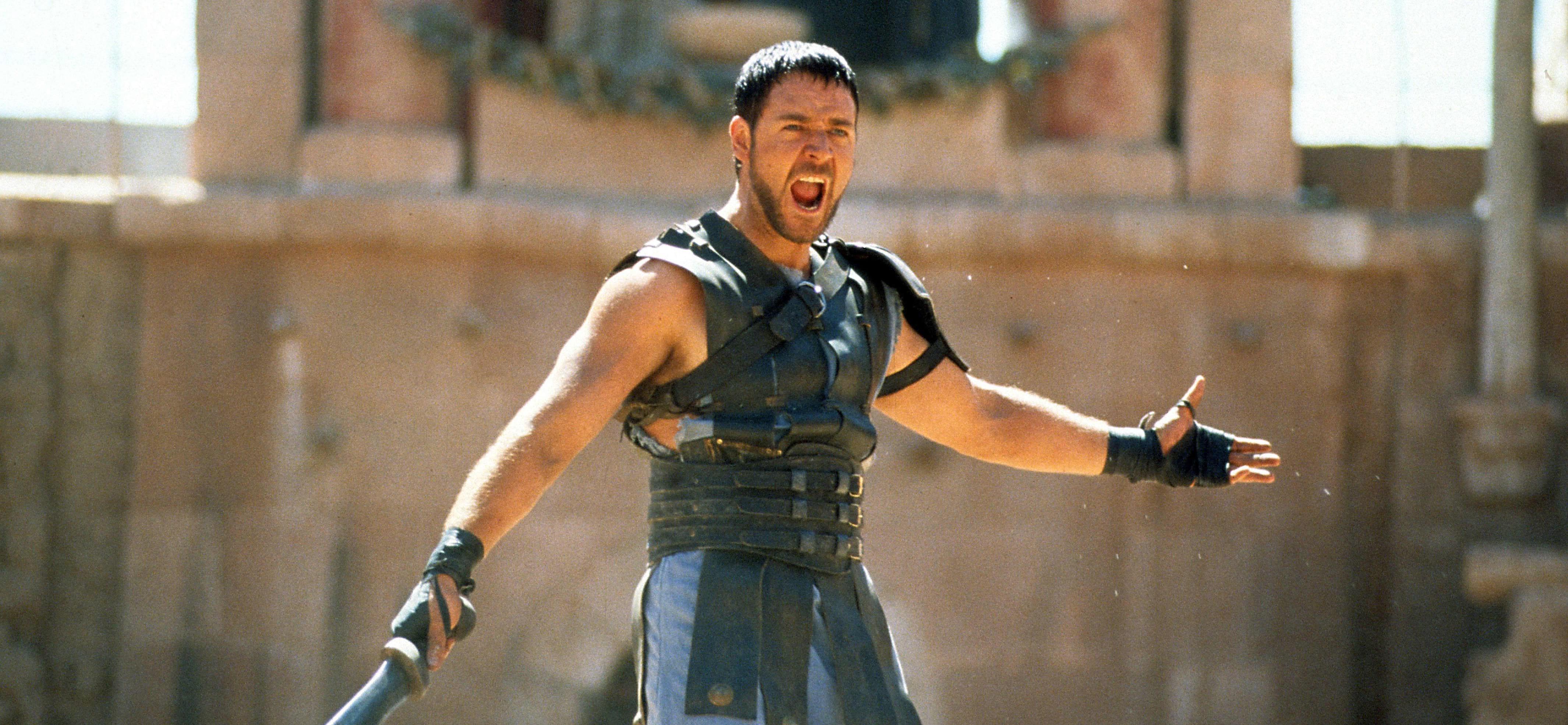
Gladiator is more than a film; it is an experience—an immersive, emotionally charged epic that speaks to the power of justice and the strength of the human spirit. Ridley Scott’s vision, paired with unforgettable performances and stunning craft, cements Gladiator as a cinematic triumph that will endure for generations. This is what legends are made of.
 Roses Have Thoughts
Leave a reply to Why "Gladiator" Stands as Ridley Scott’s Magnum Opus: A Cinematic Masterpiece Explored – Director Spotlights Cancel reply