Few career transformations in modern cinema are quite as fascinating as Robert Pattinson’s. From sparkling vampire to troubled aristocrat, from caped crusader to, reportedly, the newest man to inherit the licence to kill, Pattinson has spent much of his adult career proving he’s more than a handsome face and a teenage following.
An actor who once was very much on the path to a career spent being photographed outside premieres by screaming fans is now James Bond. It’s a very different career path, and it’s the ultimate realisation of a life spent taking risks, doing odd stuff, and above all else, never being comfortable.
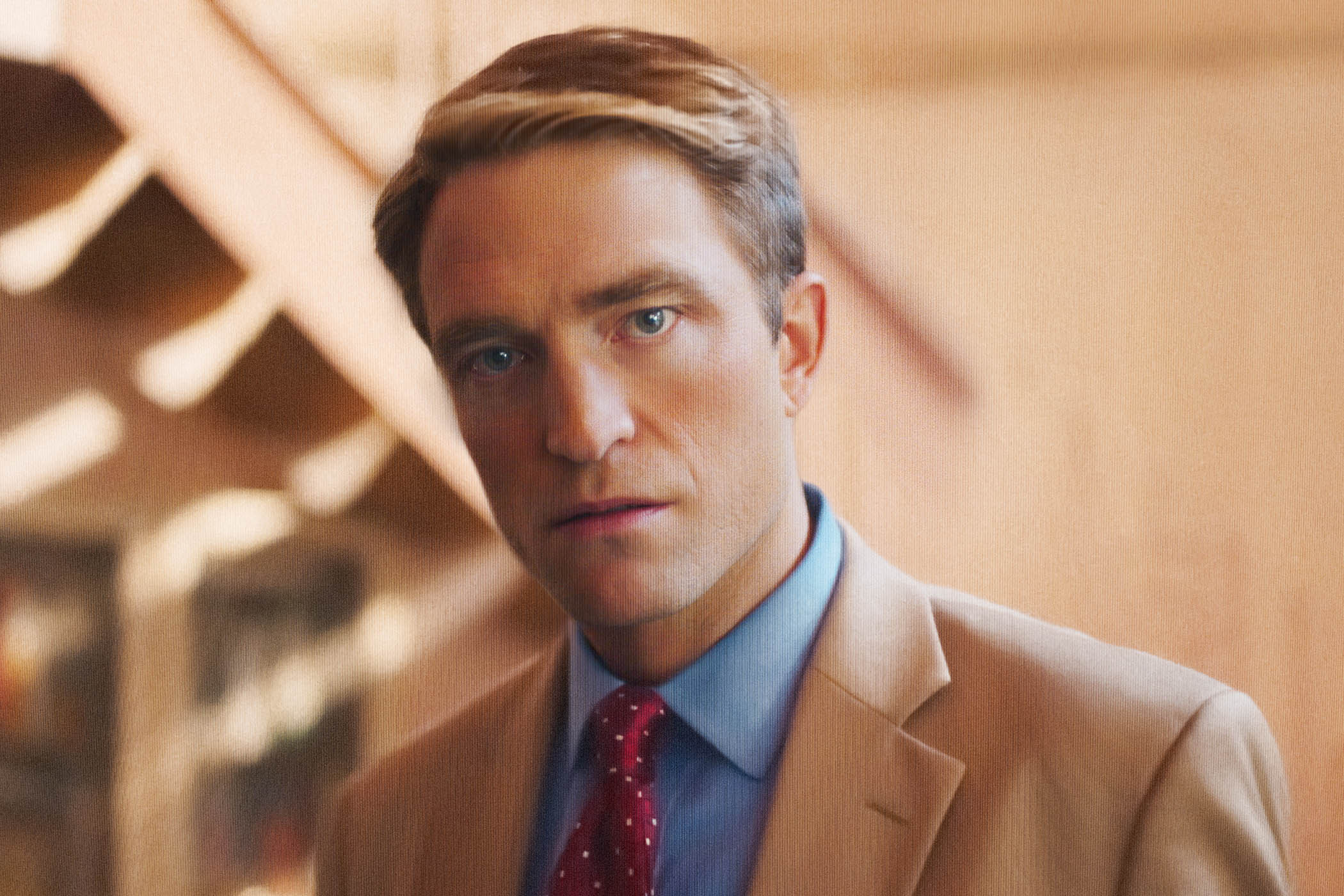
The news of Robert Pattinson joining the ranks of the official James Bond actors is one of those casting announcements that is both surprising and completely in keeping with what you’d expect. At 40, Pattinson has come a long way from the Hogwarts corridors and the supernatural stuff of Forks, WA. It’s not just another career step up; it’s recognition of an actor who has spent 20 years, quietly, dismantling the very notion of what a Bond is.
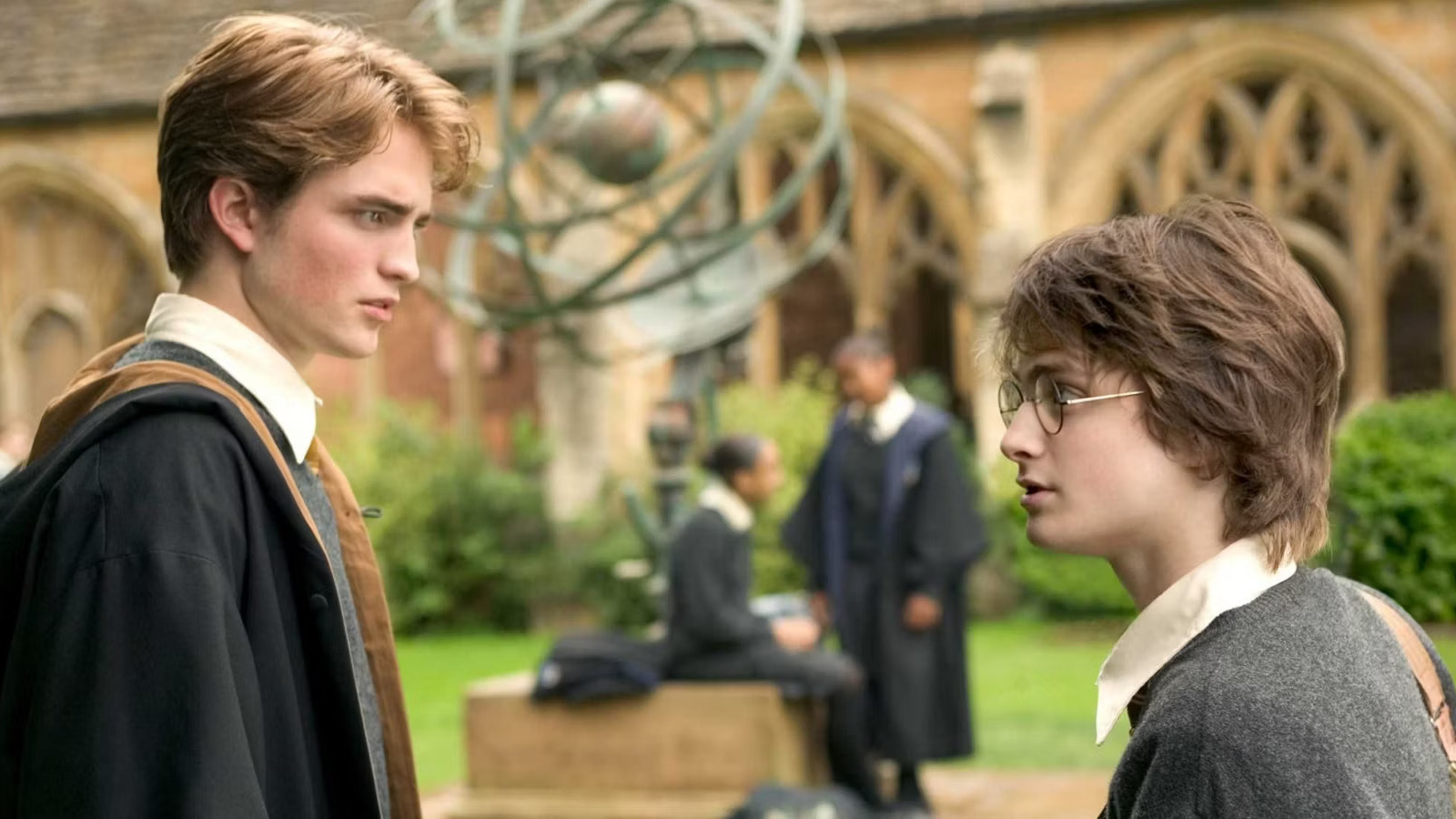
Pattinson first came to the public’s attention in 2005 as Cedric Diggory in HP and the Goblet of Fire. It was a very brief role, but the character was instantly likeable, and that was enough to suggest he might be someone worth watching. No one could have imagined quite what was to come.
Three years later, Twilight had turned him into a global phenomenon. As Edward Cullen, the brooding, stunningly handsome vampire, Pattinson became the object of adoration from teenage girls on an absolutely massive scale. The five-film franchise made him a household name, and that’s when the celebrity prison kicks in for a lot of actors. You can very much end up in a situation where the rest of your career is spent trying to escape the character that made you famous.
Pattinson, on the other hand, was absolutely determined not to be another victim of his own success. Rather than go straight into the leading-man roles expected of him, he started making some very unusual choices. His post-Twilight career was all about being deliberately unpredictable, opting for challenging directors and uncomfortable characters rather than the safe, familiar territory of the Hollywood romance.
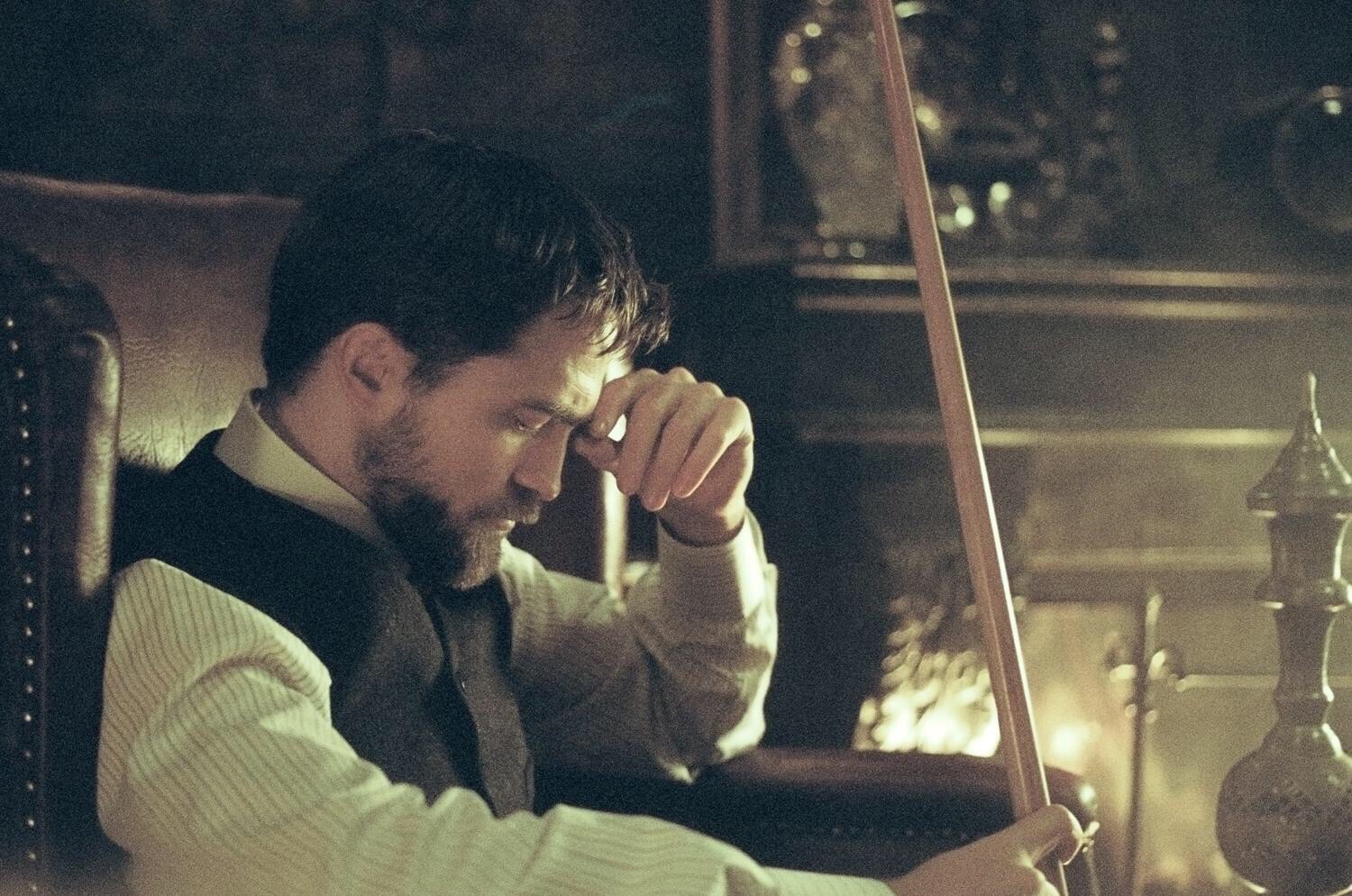
One rather interesting early choice was his appearance in Brady Corbet’s The Childhood of a Leader (2015). That was a far cry from what you’d expect a former teen idol to be doing. It was a very un-mainstream film, very much in the spirit of a period piece with a bleak atmosphere, and it offered absolutely no commercial safety net.
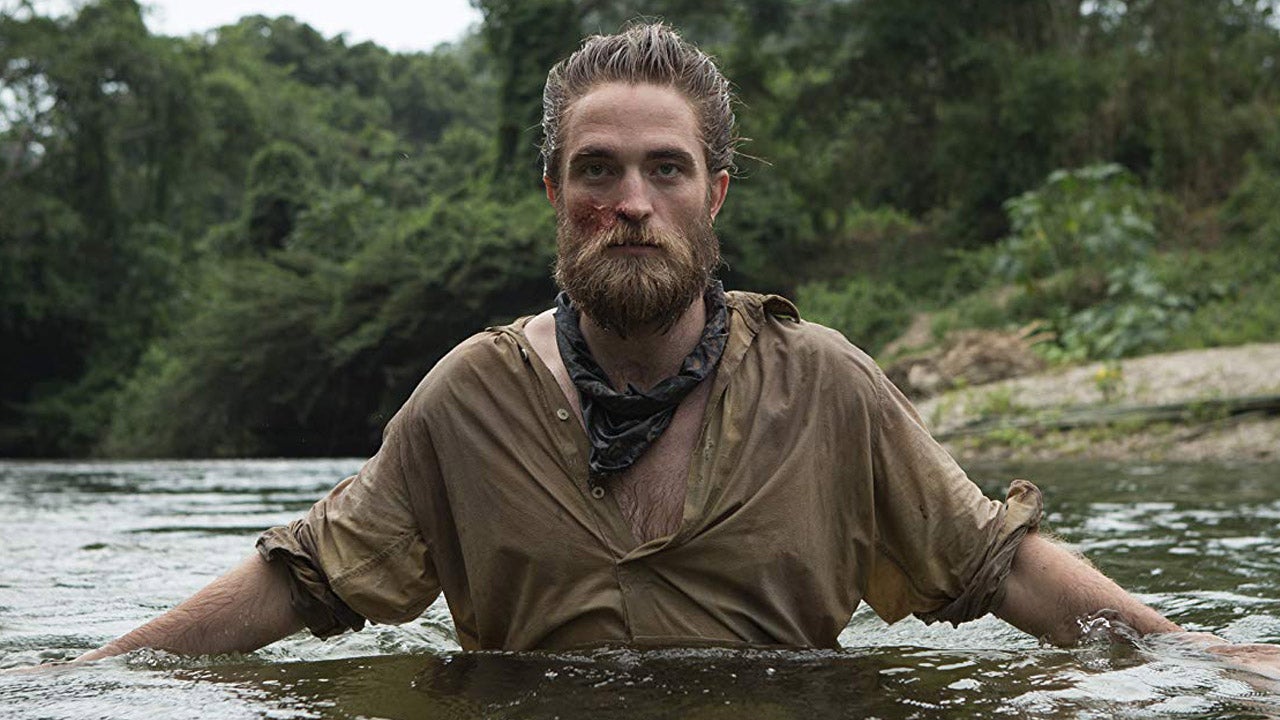
Other options only reinforced the impression. Cronenberg’s Cosmopolis (2012) and Maps to the Stars (2014) firmly place him in the realm of a director utterly consumed by celebrity, money, and the inherent dysfunction of human beings. The Lost City of Z (2016) saw him go full period piece, and High Life (2018) was one of his most bizarre and uncompromising performances.
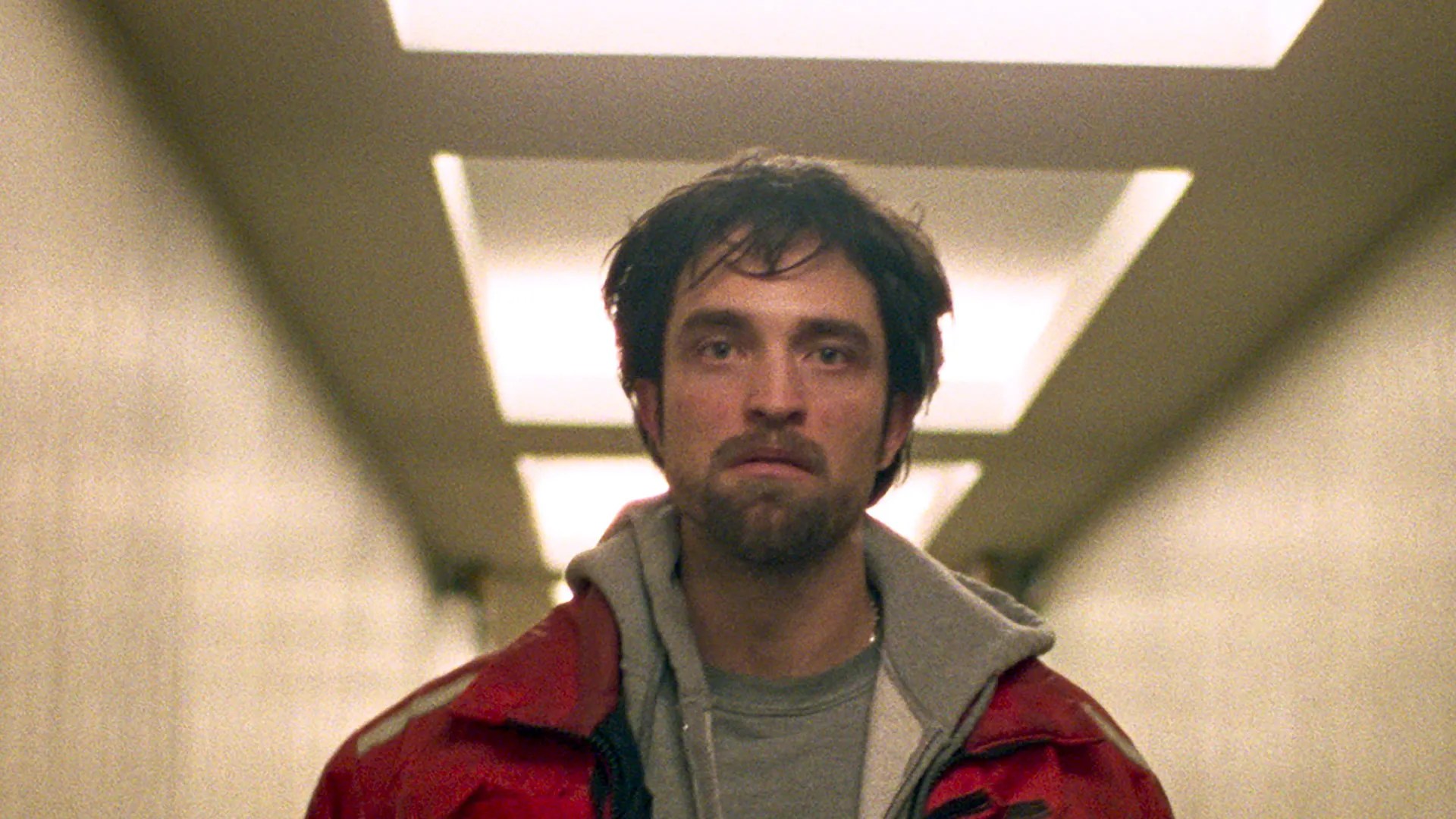
Then, of course, came the Safdie brothers’ Good Time (2017), which I think is the film that convinced a lot of people Pattinson was a serious actor. As Connie Nikas, the desperate criminal in the squalid streets of New York, it was a completely different proposition to Edward Cullen. It was a very sweaty, very unpredictable performance and utterly gripping.
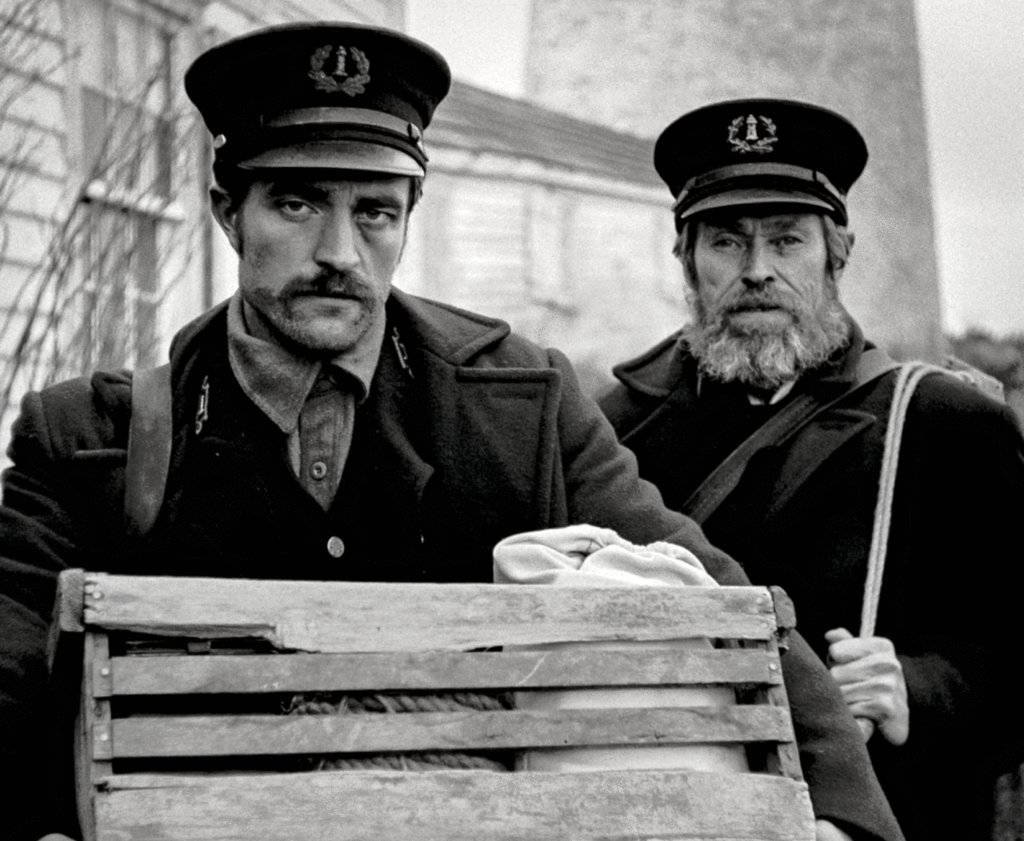
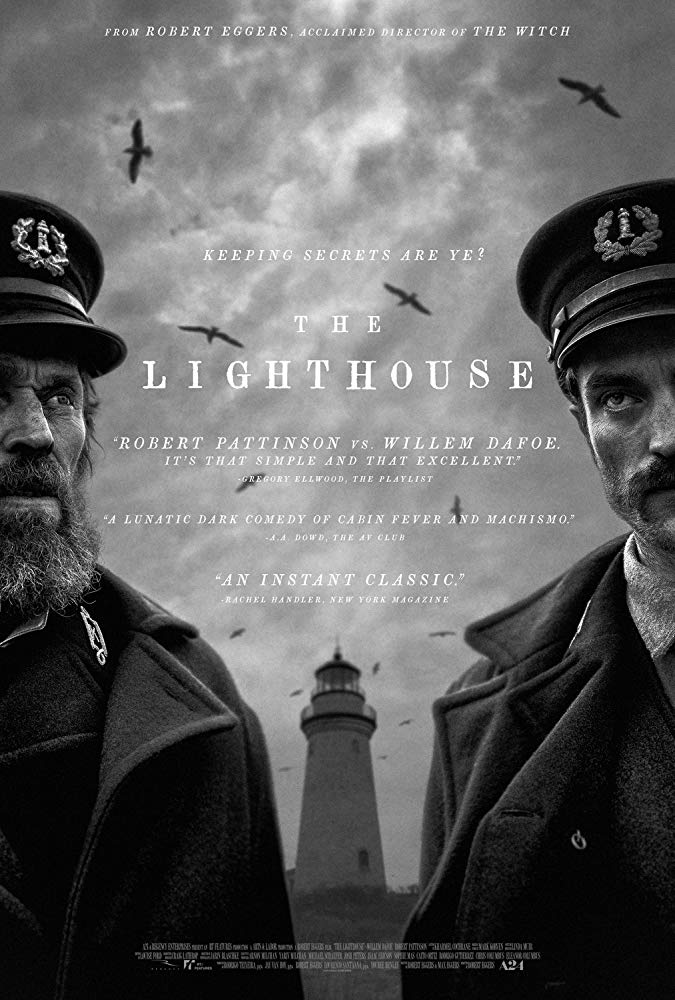
Robert Eggers’ The Lighthouse (2019) went even further. Sharing the screen with Willem Dafoe in a tight, claustrophobic black-and-white psychological horror film, Pattinson absolutely relished the oddness. It was a funny, terrifying performance that became more unhinged by the minute and proved beyond doubt that he was now one of the most interesting actors of his generation.
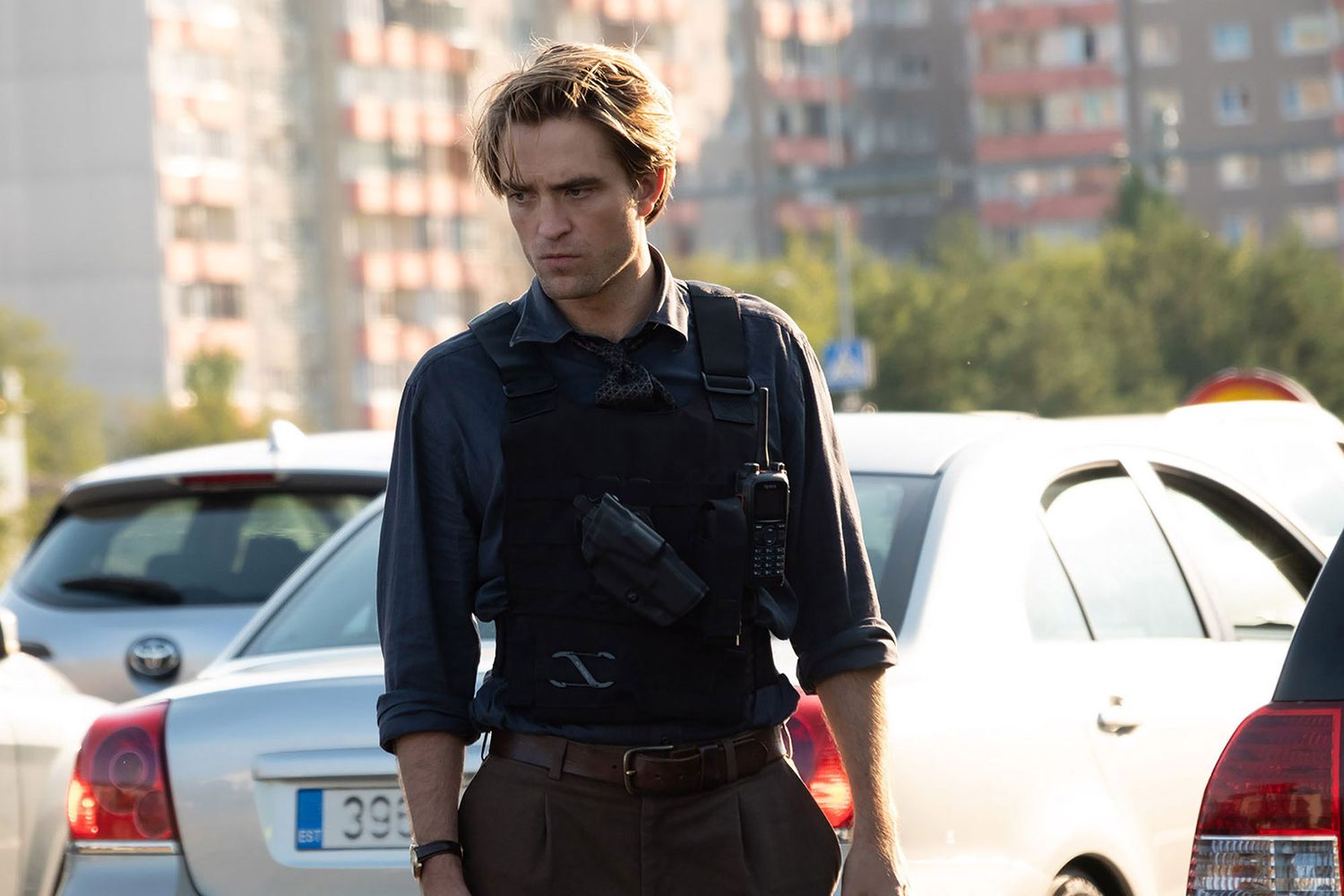
Of course it’s wrong to suggest that Pattinson has completely abandoned the mainstream. One of his real strengths has always been his ability to move between indie and major studio projects without seeming in the slightest concerned about maintaining a consistent image.
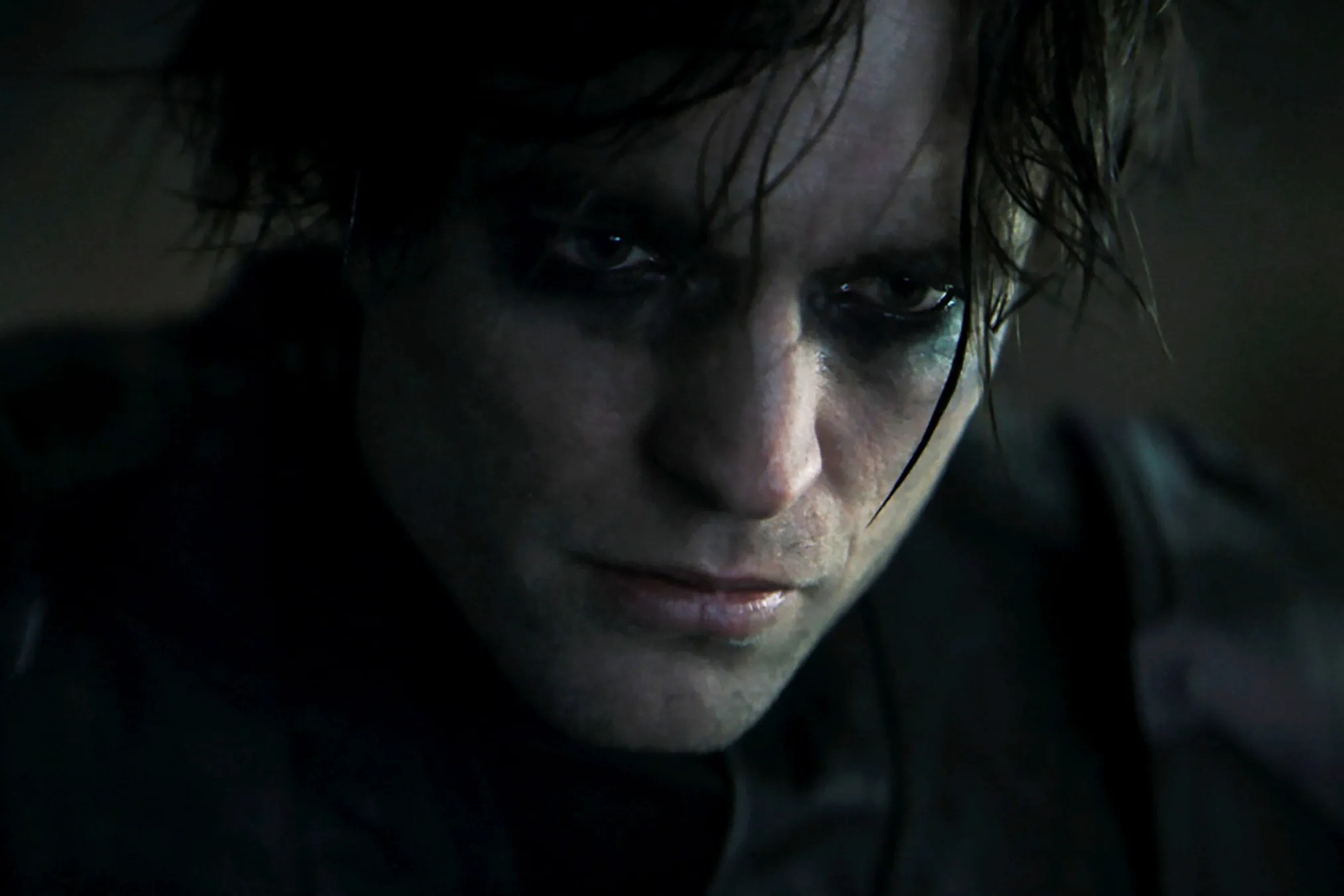
Christopher Nolan’s Tenet (2020) was his introduction to a new generation of blockbuster audiences, and Matt Reeves’ The Batman (2022) was perhaps his most significant risk to date. Taking on the mantle of the Caped Crusader from Ben Affleck, Pattinson faced the very real prospect of following in the footsteps of two of the most iconic leading men in cinema history.
His version was quite the opposite, in fact. Instead of the slick, sophisticated billionaire playboy, Pattinson’s Bruce Wayne was deeply withdrawn, emotionally scarred and utterly consumed by his obsession with crime. A far darker, more introspective take on the character and one that was very much his own.
Now we have James Bond, undoubtedly the most recognisable British film character. Coming on the back of Daniel Craig’s very physical, emotionally complicated version of the character, Pattinson inherits a franchise with a long history and an audience that will undoubtedly have strong views on it. There’s a certain logic to the appointment, though.
Bond needs charm, physicality, intelligence, and the ability to play a character who is at the same time a fantasy figure and a very human, very flawed individual. Pattinson has shown all those qualities at various points in his career; he’s just never brought them together in quite that conventional package.
His casting is also a rather interesting full circle. The same actor who once found it so difficult to get out of the box a teenage phenomenon had created is now being given one of cinema’s most enduring adult fantasies.
What’s so compelling about Pattinson’s journey is that he’s never quite shed his blockbuster credentials. He’s never allowed them to be the defining thing about him. From Harry Potter to Twilight, Good Time to The Lighthouse, The Batman to 007, you can see he’s always managed to walk the line between commercial success and artistic desire.
Perhaps the most encouraging thing about his appointment is that Bond isn’t the end point of an actor who has simply run out of things to do. Pattinson has never really left the blockbuster world that made him a star. He’s used his Twilight success to give himself the freedom to take risks. Becoming Batman was a risk; becoming Bond is another. The difference is that this time he’s got a career behind him that has already proven he can be as versatile as you like.
Five essential films to understand Pattinson’s career

1. Good Time (2017)
The film that announced Pattinson as a serious actor capable of carrying an intense, challenging production.
2. The Lighthouse (2019)
A fearless performance that showcases his willingness to embrace the strange and unconventional.
3. Cosmopolis (2012)
An early indication that he wanted to work with challenging directors rather than simply capitalise on his fame.
4. The Batman (2022)
Proof that he could take an established blockbuster character and make it his own.
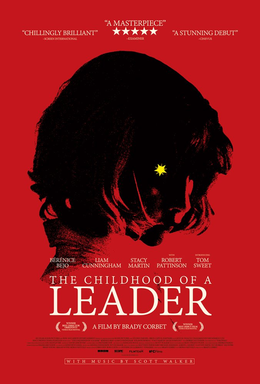
5. The Childhood of a Leader (2015)
A fascinating example of his willingness to take smaller, more unconventional roles during the period when he could easily have pursued mainstream stardom.


Leave a Reply