I’ve always found something very particular about Italian horror. It doesn’t always make sense; it’s not particularly concerned with being ‘in order,’ and at times it seems to be a case of just putting together a bunch of nightmares, with some rather flamboyant camera work, a rather excessive amount of fake blood, and occasionally just stolen ideas from other films. It’s just that at its very best it has an atmosphere, a visual imagination and a sheer audacity that very few other national cinemas have ever quite managed.
From gothic castles and supernatural curses through to masked murderers, elaborate death scenes and psychedelic nightmares, Italian filmmakers have spent decades coming up with increasingly inventive ways of disturbing their audience. For the American horror viewer used to the more conventional methods of horror, stepping into this particular world of cinema can be a rather jarring experience.
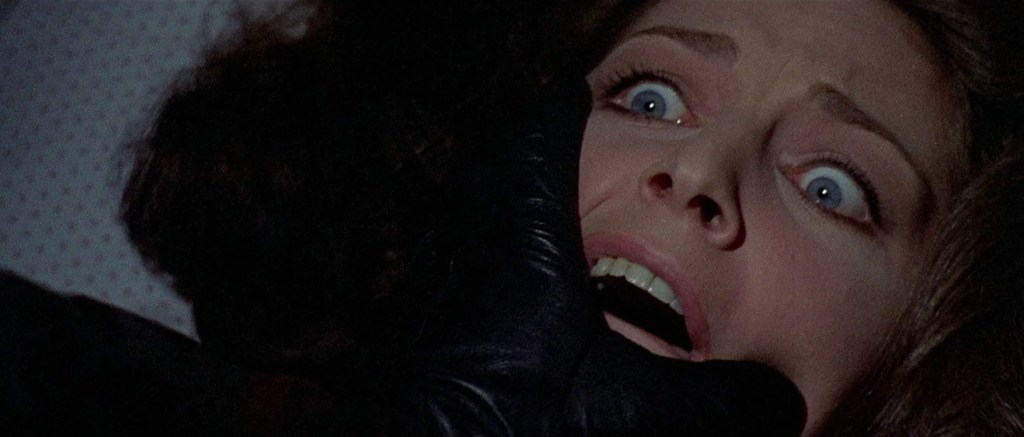
But where do you start?
Three names above all others: Mario Bava, Dario Argento and Lucio Fulci. They are the ones who established the visual language, the conventions and the very reputation of Italian genre cinema. Each of them has their own particular approach, and I think if you want to understand what makes Italian horror so good, you really have to look at their work.
Mario Bava: The Godfather of Italian Horror
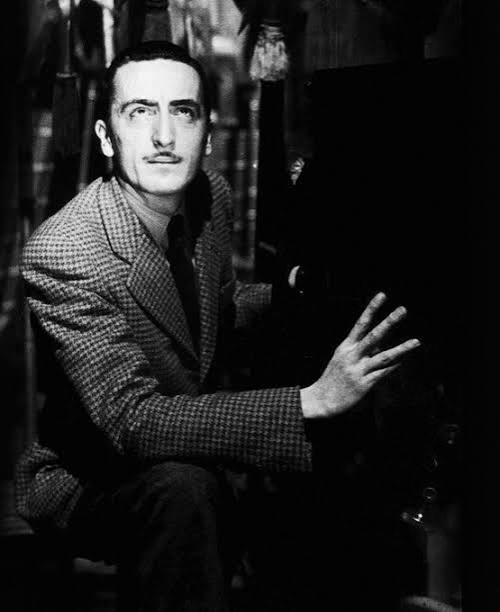
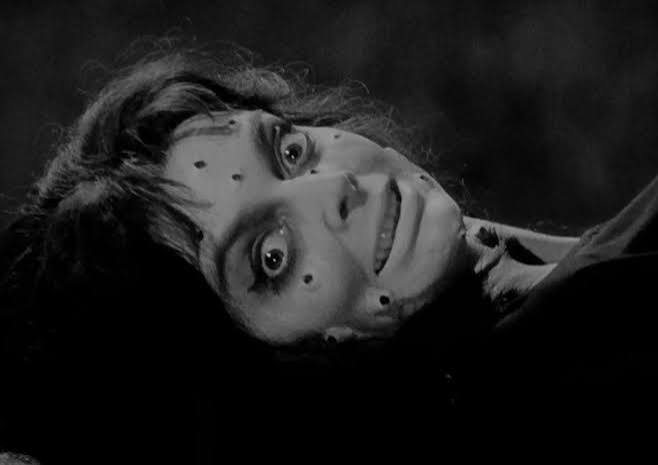
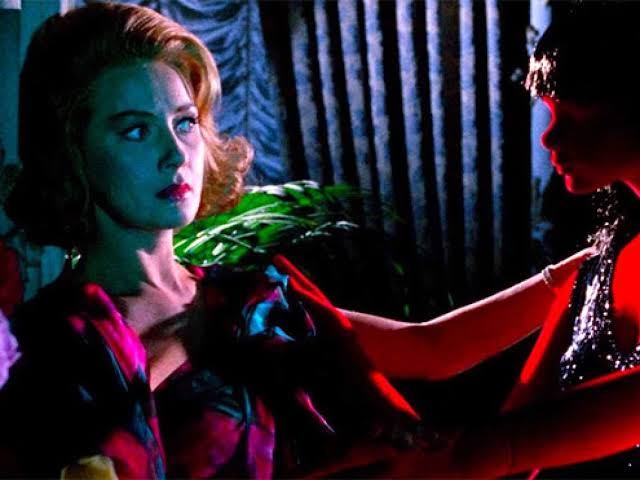
Before Argento and Fulci were frightening people, Mario Bava was laying the foundations of modern Italian horror. He was a cinematographer and director of immense visual sense and he understood that suggestion, colour and atmosphere could be just as potent as whatever actually happened when the monster did appear.
His 1960 film Black Sunday (also known as The Mask of Satan) is still an absolutely essential film to watch. It features Barbara Steele and opens with one of the most iconic sequences in the history of horror, a witch being sentenced to death and executed in a rather unpleasant manner. What ensues is a beautifully atmospheric gothic nightmare of the resurrection of the dead, family curses and supernatural revenge.
Bava’s influence is all over the place, particularly in the way the films are visually presented. Coloured lighting, the use of shadows and all sorts of elaborate camera moves give his films a very dreamlike quality.
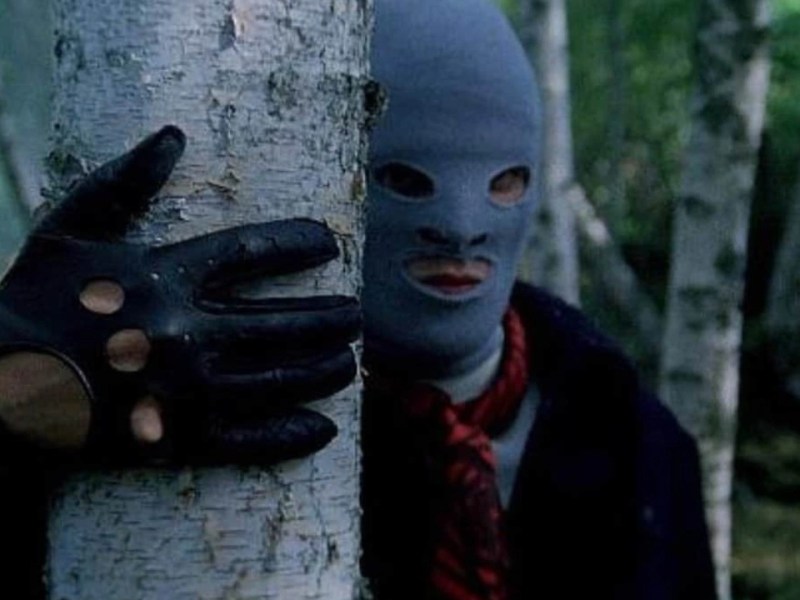
For something rather different, try Blood and Black Lace (1964), which is a very stylish murder mystery and one of the films that went a long way towards establishing the conventions of the giallo. It’s a masked killer, it’s glamorous models, it’s a series of increasingly gruesome murders, and it all feels very much of the present day. Its influence is absolutely everywhere, from the American slasher films right through to the modern-day horror thriller.
Where to begin? Black Sunday (1960), Blood and Black Lace (1964) and Kill, Baby… Kill! (1966).
Dario Argento: The Maestro of Giallo
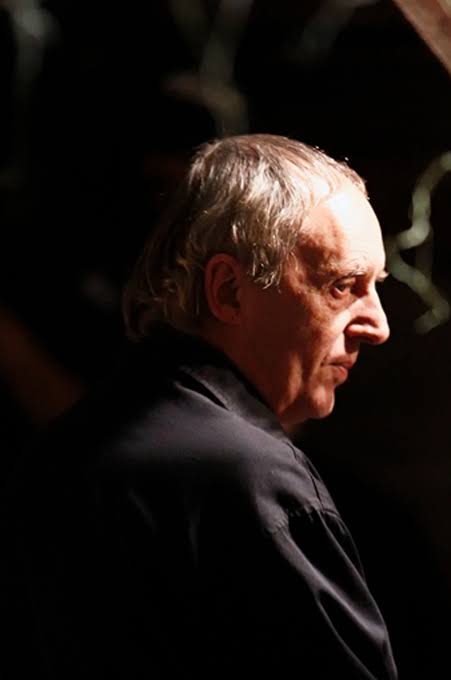
If Mario Bava laid the foundations, then Dario Argento was the one who took Italian horror and made it an international phenomenon.
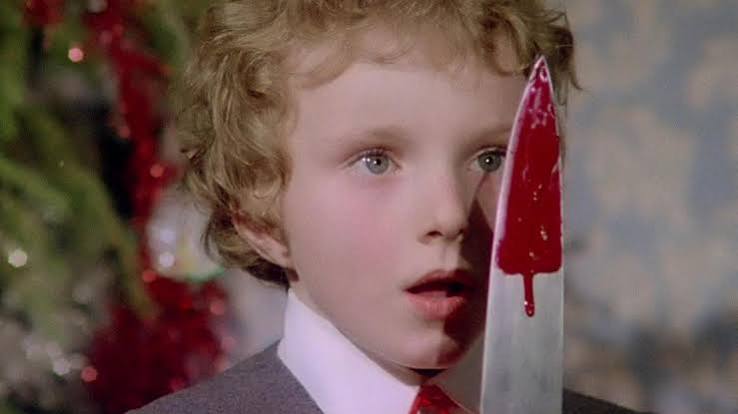
Argento is of course most famous for his giallo films (the distinctly Italian form of murder mystery which combines the crime thriller, the psychological thriller and the horror film). These are typically stories about a killer, a group of rather suspicious characters and an ever-escalating series of murders. It’s as much a visual exercise as it is a murder mystery.
His 1975 film Deep Red is a very good introduction. A pianist sees a murder and gets drawn into an investigation which takes him into a world of very disturbing secrets and increasingly inventive murders. It’s a superb piece of suspense, Argento’s imagination being absolutely on display in the visuals as well as the absolutely superb Goblin score.
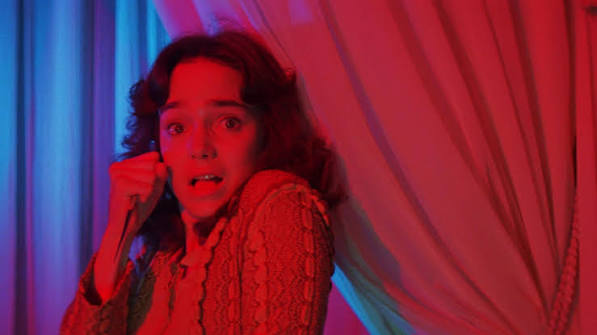
Then there’s Suspiria (1977), which is probably his most acclaimed film. A young American girl turns up at a very prestigious German ballet school and very quickly realises that there’s something very nasty going on behind that pretty facade. The plot occasionally takes a second seat to atmosphere, and that really doesn’t matter. The stunning use of colour, Goblin’s unrelenting score and the film’s steadily escalating sense of the nightmarish make it one of the most unique experiences in the horror genre.
Argento’s films aren’t necessarily all that concerned with logic. Characters will occasionally behave in the most irrational of ways, the investigations will take bizarre turns, and the solutions to his mysteries can be absolutely absurd. That’s part of the appeal, really. His cinema has its own set of rules, and that’s what makes it work.
Where to start? Deep Red (1975), Suspiria (1977) and Tenebrae (1982).
Lucio Fulci: The Godfather of Gore
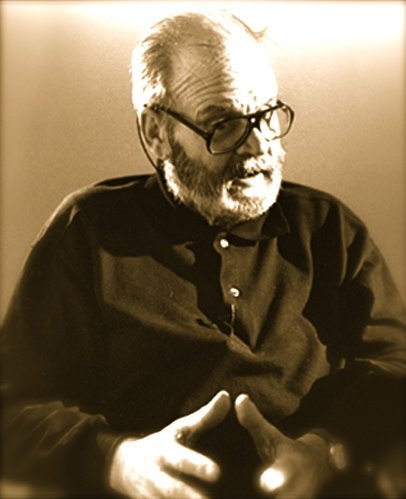
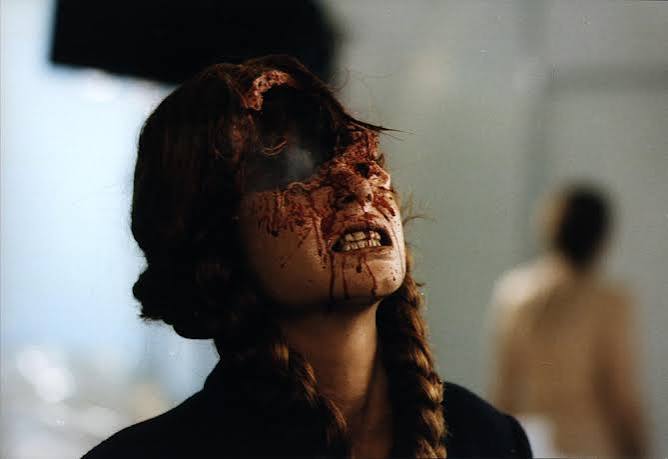
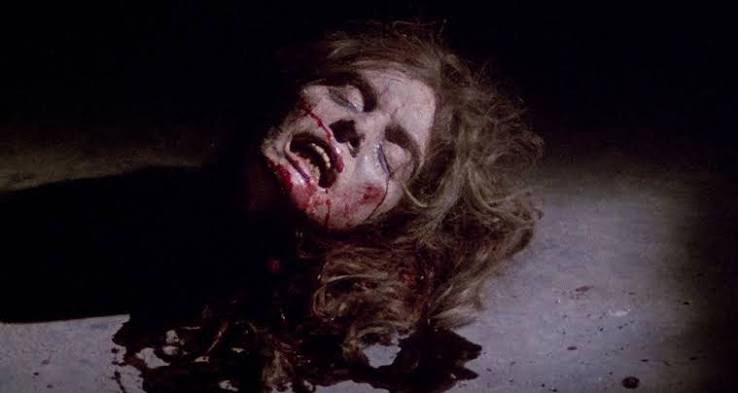
If Bava was the master of atmosphere and Argento the master of visual suspense, then Lucio Fulci was definitely the master of the ‘things you’d much rather not see’.
Commonly known as the Godfather of Gore, Fulci established his reputation for incredibly graphic violence, disturbing imagery and supernatural horror, a lot of which avoided conventional storytelling.
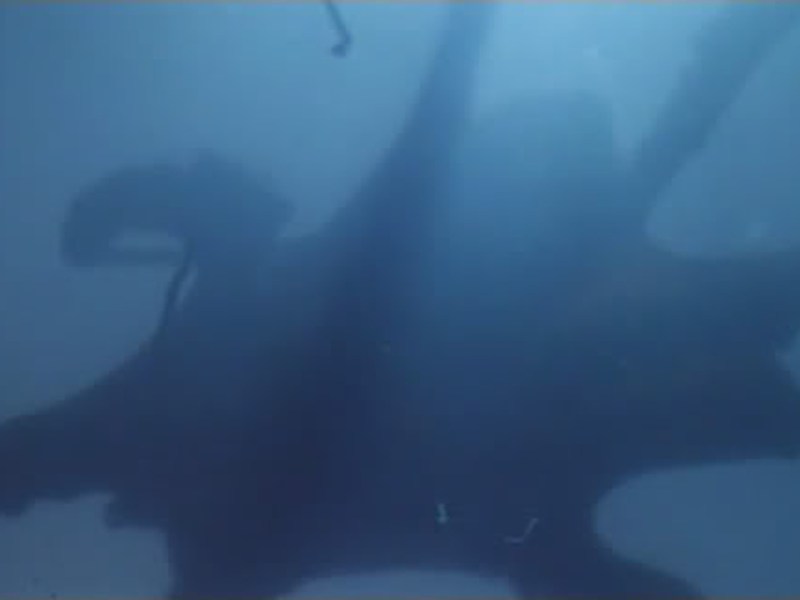
His most famous film is probably Zombie Flesh Eaters (1979) (also released as Zombie). A young lady goes to a rather mysterious Caribbean island in search of her missing father, only to find that the dead are coming back to life. It’s got one of the most notorious zombie encounters in film history and an absolutely brilliant underwater sequence involving a zombie and a shark. It’s just gloriously over-the-top filmmaking.
For something even more surreal, The Beyond (1981) is a must-see. It’s set in Louisiana and concerns a young woman who inherits a hotel which has been built over one of the seven gates to Hell. What ensues is a string of increasingly bizarre and horrific incidents, Fulci quite clearly wanting to go as far as he possibly can in terms of what the audience can take.
His films are notoriously criticised for their lack of plot, and that’s quite frankly quite right. His greatest achievements, however, aren’t necessarily in the area of storytelling. They’re in the area of image. The images he creates stick in your mind long after the film is over.
Where to start? Zombie Flesh Eaters (1979), The Beyond (1981) and The House by the Cemetery (1981).
Beyond the Big Three
Of course, Italian horror goes a lot further than those three famous filmmakers.
Umberto Lenzi gets a nod for his work in the Italian exploitation cinema sphere, particularly Cannibal Ferox (1981), which is a very bad, very unpleasant film in the cannibal cycle.
Pupi Avati provides something quite different with The House with Laughing Windows (1976), which is a genuinely disturbing mystery, the horror of which is derived entirely from atmosphere and the ever-increasing sense of psychological discomfort.
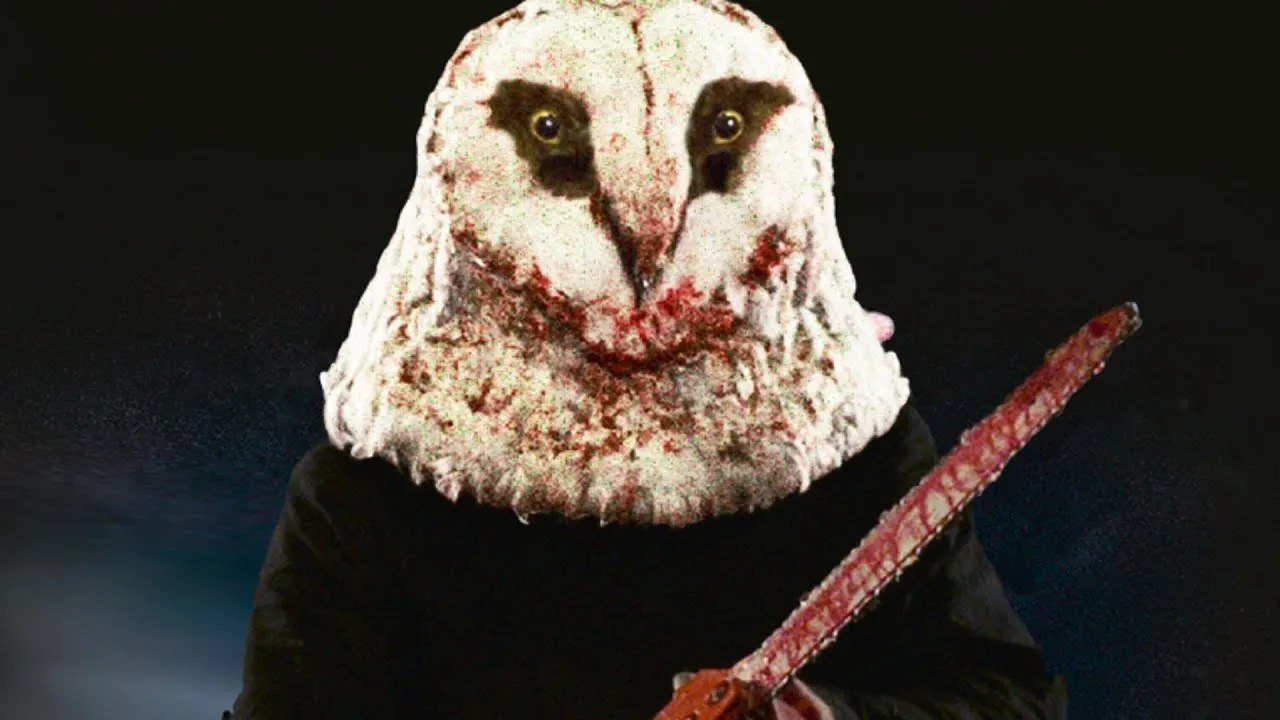
StageFright (1987) by Michele Soavi is another entertaining slasher, this time about a group of theatre people who find themselves in the midst of a murderous escaped psychopath. It’s beautifully shot, can be a bit ridiculous at times, and is a very enjoyable film.
There’s also Lamberto Bava (Mario’s son) with his Demons (1985), which is probably the most fun example of Italian horror from the 80s. A screening of a mysterious film at a cinema sees the audience gradually turn into bloodthirsty monsters, and it’s a fantastically chaotic piece of entertainment which is in many ways the perfect example of the genre.
Where to Go Next?
Italian horror isn’t always easy to watch. The films can be bloody, bizarre, utterly confusing to follow and in some cases genuinely unpleasant. That very unpredictability is what makes it such a worthwhile genre.
For the newcomer, I’d suggest starting with Argento’s Suspiria, then Bava’s Black Sunday, and then go right into Fulci’s Zombie Flesh Eaters. From there, the options are pretty much endless.
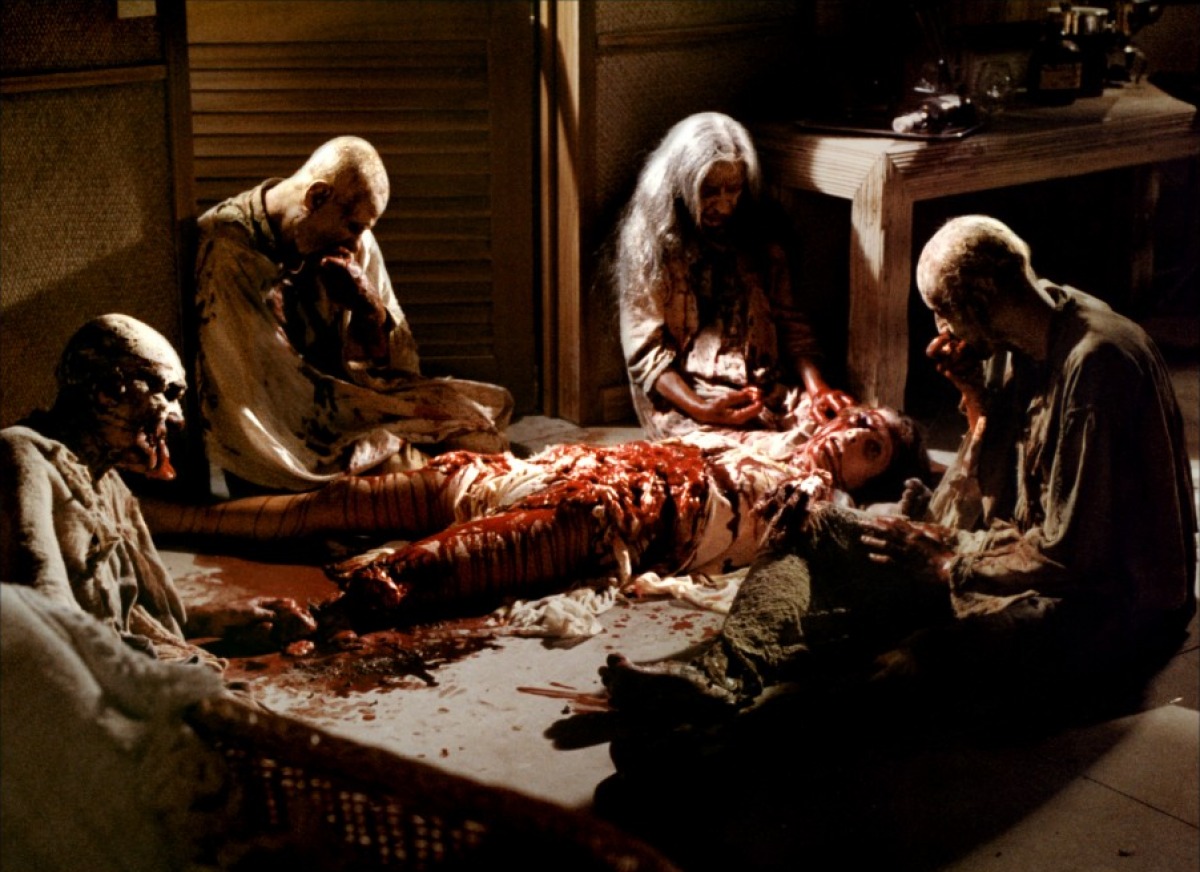
The real achievement of Italian horror was that it was never really all that interested in playing by the rules. Whether it was gothic horrors, elaborate murder mysteries or the most outrageous of supernatural bloodbaths, the best of the Italian horror filmmakers knew that horror was an experience rather than a story.
And if that experience happens to involve a rather large amount of blood, an absolutely unforgettable Goblin soundtrack, and a murderer in black leather gloves, then that’s even better.



Leave a Reply