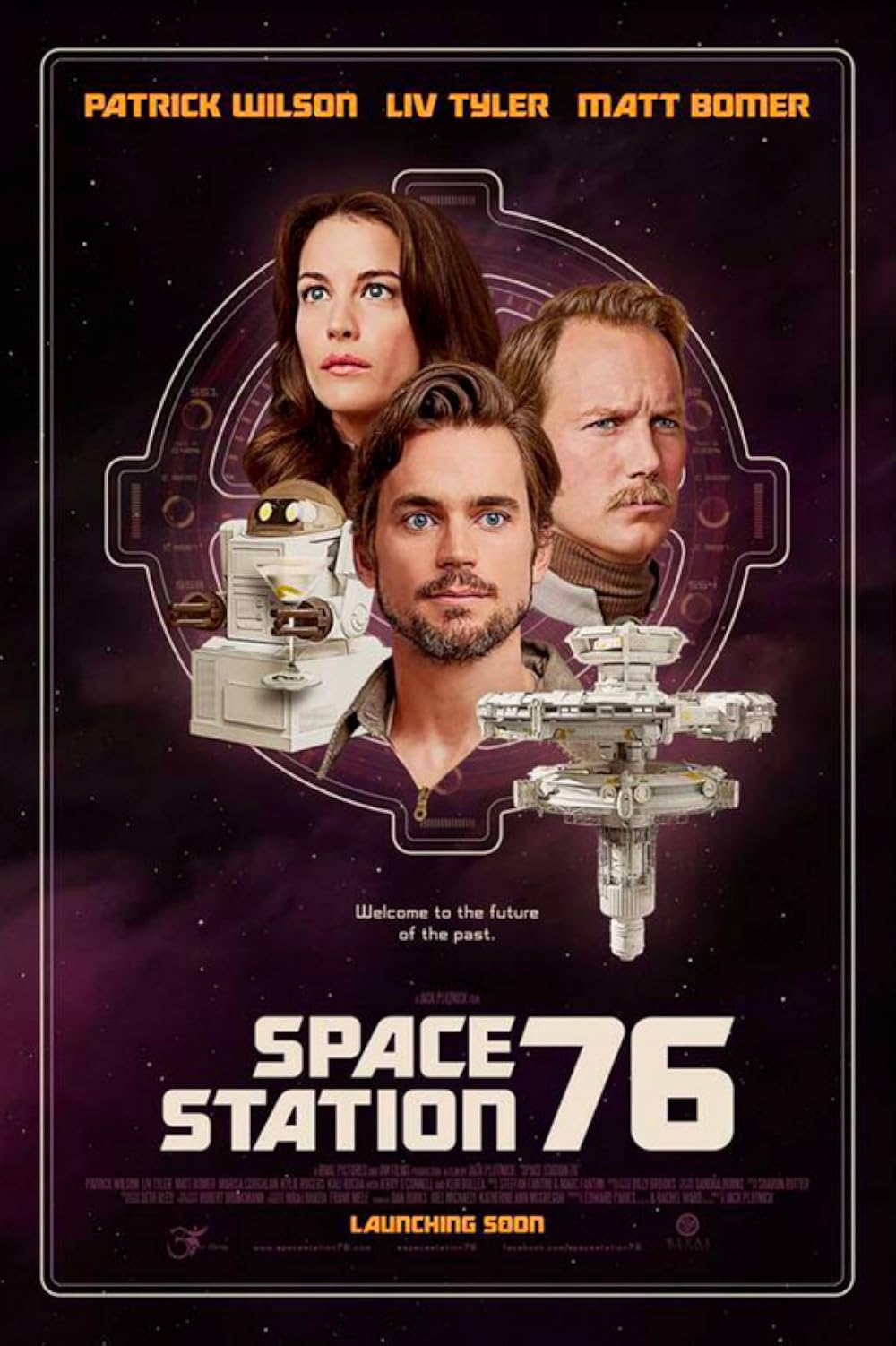
Synopsis: A new female co-pilot arrives aboard a retro-futuristic space station, upsetting its troubled crew. Beneath the colourful uniforms and futuristic technology, jealousy, loneliness and secrets threaten their fragile relationships.
Director: Jack Plotnick
Cast: Patrick Wilson, Liv Tyler, Matt Bomer
Genre: Science Fiction, Comedy, Drama, Satire
Released: 2014
The 1970s had a very cute vision of the future: all shiny plastic, bright jumpsuits, wild haircuts and computers that looked absolutely like they’d come straight out of a Star Trek episode. Jack Plotnick’s Space Station 76 (2014) takes that same aesthetic and puts it in a very unusual place. It’s not really a film about space battles or aliens. It’s very much a film about the problem of getting on with people.
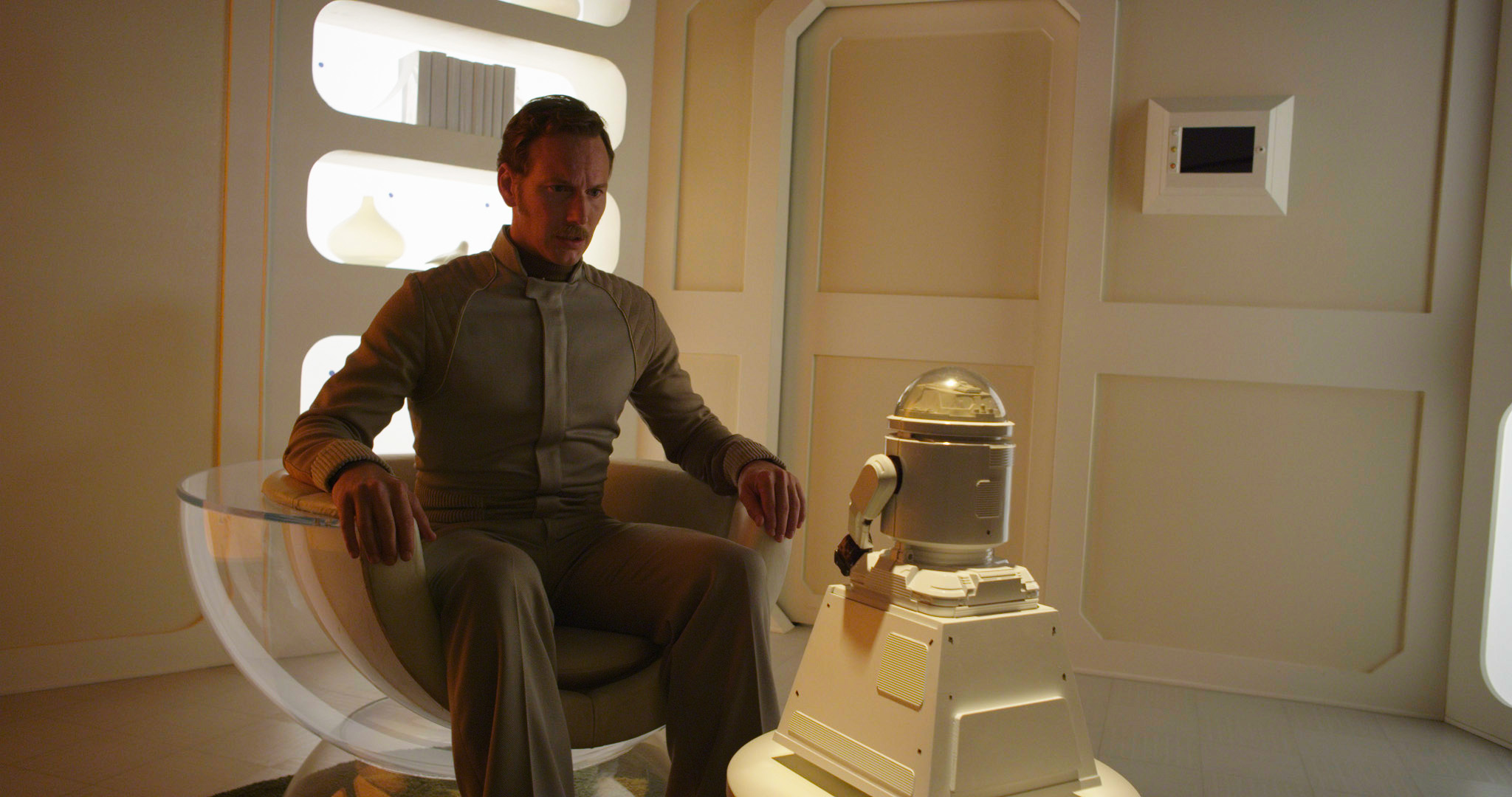
It’s set on Omega 76, a space station drifting through space. The story follows a group of very unhappy people whose personal lives are as fraught as anything going on outside. Jessica (Liv Tyler) is the new assistant captain and very quickly realises that work is the absolute least of anyone’s worries. Captain Glenn (Patrick Wilson) is in the midst of a breakup and is wrestling with his sexuality. Ted (Matt Bomer) is attempting to save a marriage that is clearly at an end. His wife, Misty (Marisa Coughlan), is preoccupied with other things, and their daughter, Sunshine (Kylie Rogers), may be the most emotionally aware person on the station.
Plotnick’s central contention is that people haven’t really changed at all. We’re still the same when it comes to drinking too much, cheating on our partners, clinging to old prejudices and spending so much time fretting about what other people think. All the technology in the world may have moved on, but our feelings are still the same.
The cast do a very good job, actually, Wilson particularly in the role of Glenn. He manages to blend authority with insecurity and frustration in a very believable way. It’s a difficult role, and he really sells the character’s vulnerability so he’s not just a bad boss. Tyler is very gentle with Jessica, and Bomer gives Ted a real sense of quiet desperation. Coughlan has a real ball with Misty; the combination of the domesticity and the emotional distance is excellent.
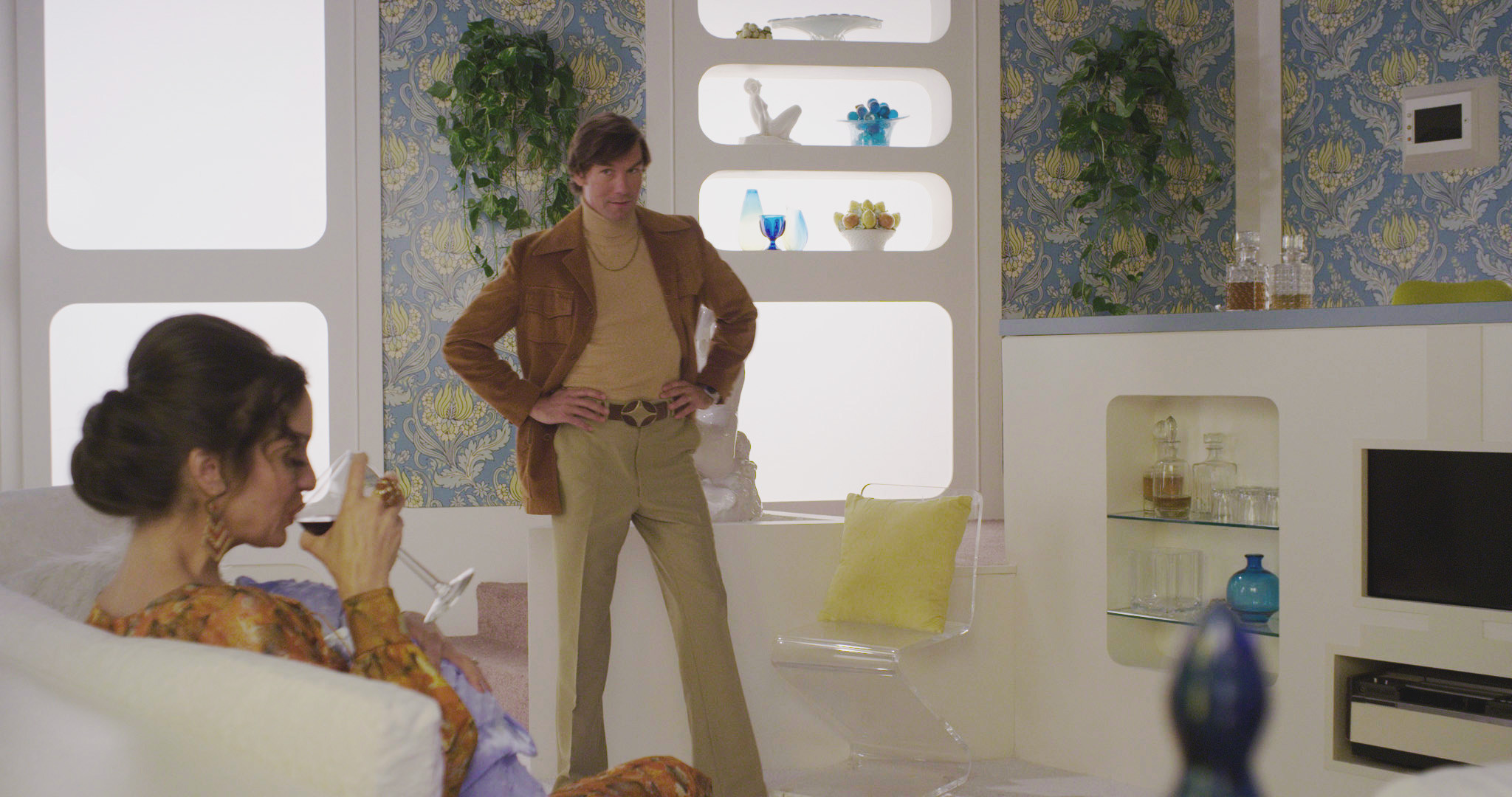
Space Station 76 is a visual treat. The production design is a loving homage to 70s sci-fi with all the geometric interiors and costumes you’d expect from a rather flash disco. There are obvious references to Space: 1999, Silent Running, and 2001: A Space Odyssey, but Plotnick is more interested in recreating the look and feel of the era than making a joke of it. The score is full of period sounds and really does add to the sense of nostalgia.
Unfortunately, the film’s visual flair isn’t always matched by the story. The humour is frequently dry, and while there are a few genuinely funny moments, the comedy can occasionally fall flat (it’s as if it’s waiting for a punchline that just doesn’t come). The awkward conversations and the tense domestic scenes can drag, and the various storylines don’t always quite dovetail.

It’s very touching in that it doesn’t go quite so far as to make the characters ridiculous. There’s a real sadness in the film about being alone, about trying to achieve your dreams and about the difficulty of finding happiness. Sunshine’s story is the most poignant and gives the film an emotional core the adults can’t quite reach.
Space Station 76 is quite unusual in its own way, just not in the way you’d expect. It’s not the mad sci-fi farce you’d anticipate, and it doesn’t quite go full-on character study either. The production design, the performances, and the genuine affection for the flawed people of Omega 76 make it a worthwhile watch.
It’s not quite an exciting voyage, is it? But there’s more than enough character in it to make the trip worthwhile.
Three Similar Movies:
Dark Star (1974): John Carpenter’s wonderfully eccentric science fiction comedy about a group of astronauts whose mundane existence aboard a spaceship becomes increasingly absurd.
Silent Running (1972): Douglas Trumbull’s thoughtful science fiction drama shares the retro-futuristic aesthetic and the melancholy isolation of life in space.
The Ice Pirates (1984): A wonderfully silly space adventure that embraces colourful costumes, ridiculous situations and the more playful possibilities of old-fashioned science fiction.


Leave a Reply